


This July, America turns 250. It is the kind of anniversary that invites a single, tidy story, the one a lot of us remember from US history lessons in high school. But the founding of America was never just one story. It was a document and an argument, a promise and a long effort to keep it, carried forward by plenty of people who were not in the room when it was signed.
The independent and university presses we work with have spent years keeping the wider view in print: the founding texts themselves, the voices the textbooks tend to skip, the books that make all of it land for a ten-year-old, and the long-running debate over what it was supposed to mean. Read together, they tell a fuller story of where the country has been and who carried it forward.
Six vantage points, fifteen books, one anniversary. Tap any section below to jump straight to it.
Where It Begins|The Promise, Tested|We the People, All of Us|Arguing Over America|Passing It On|Pick It Up Anywhere
Where the Story Begins
Start at the source: the documents, the ideas, and the framework the whole thing was built on, right down to the 27 amendments that kept reshaping it.
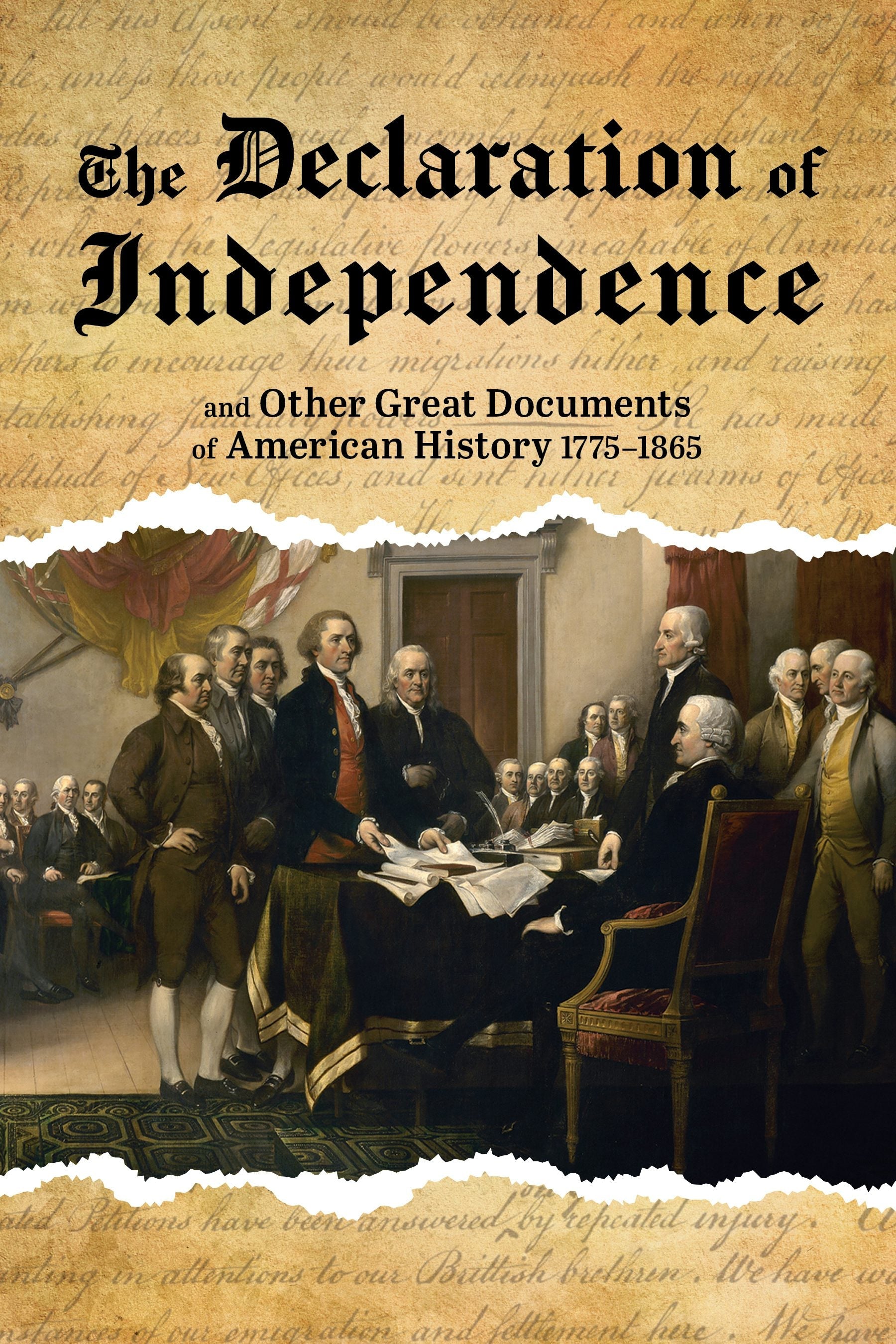
The Declaration of Independence and Other Great Documents of American History (G&D Media)
The words themselves, gathered with the other founding-era documents that surrounded them in one accessible volume. If the anniversary makes you want to actually read the thing rather than just toast it, this is where to start.
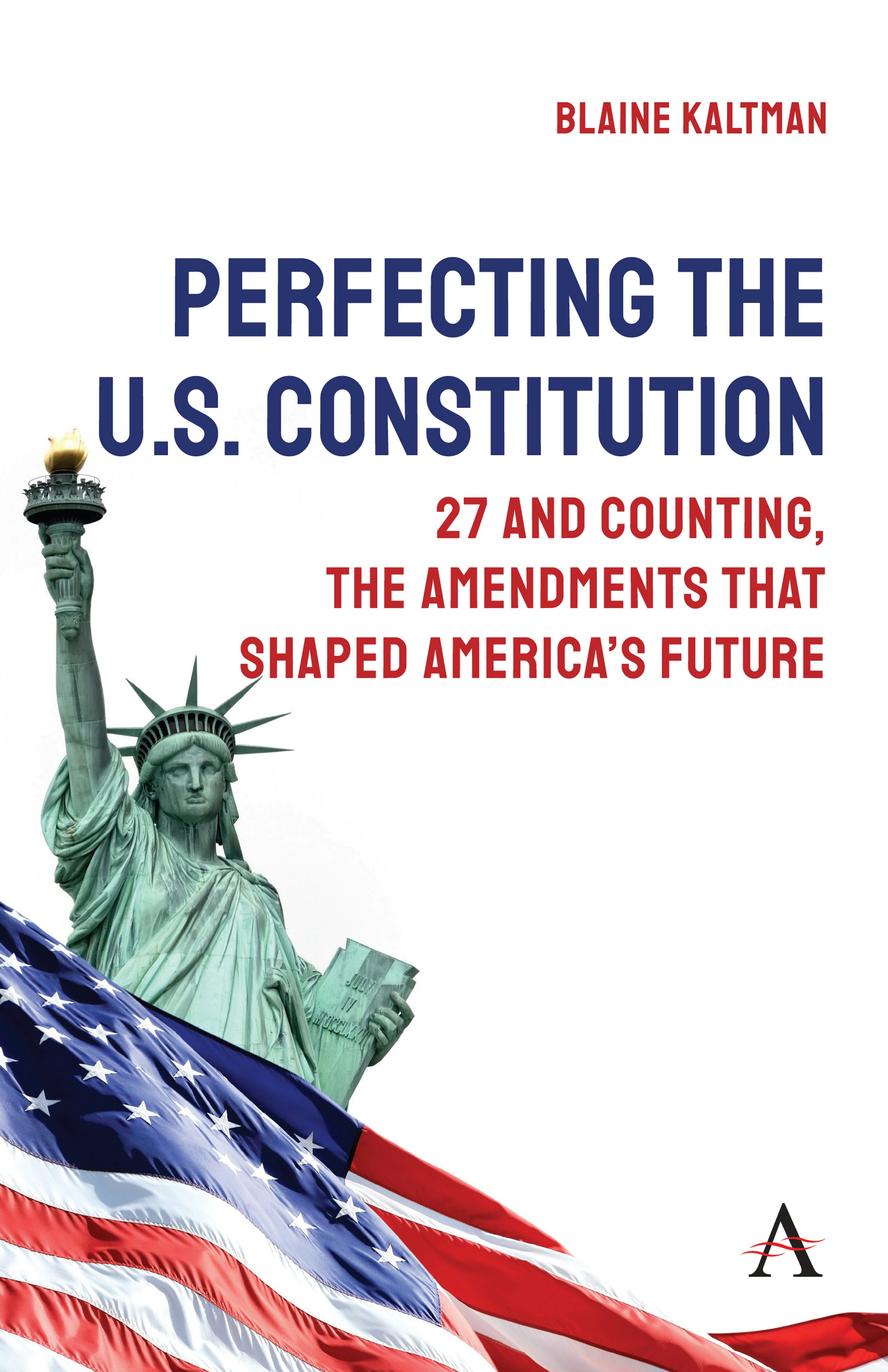
Perfecting the U.S. Constitution: 27 and Counting by Blaine Kaltman (Anthem Press)
The framers wrote the means to change the Constitution right into it. Kaltman walks through all 27 amendments to show how the country kept revising its own rulebook, from the Bill of Rights to the present day.
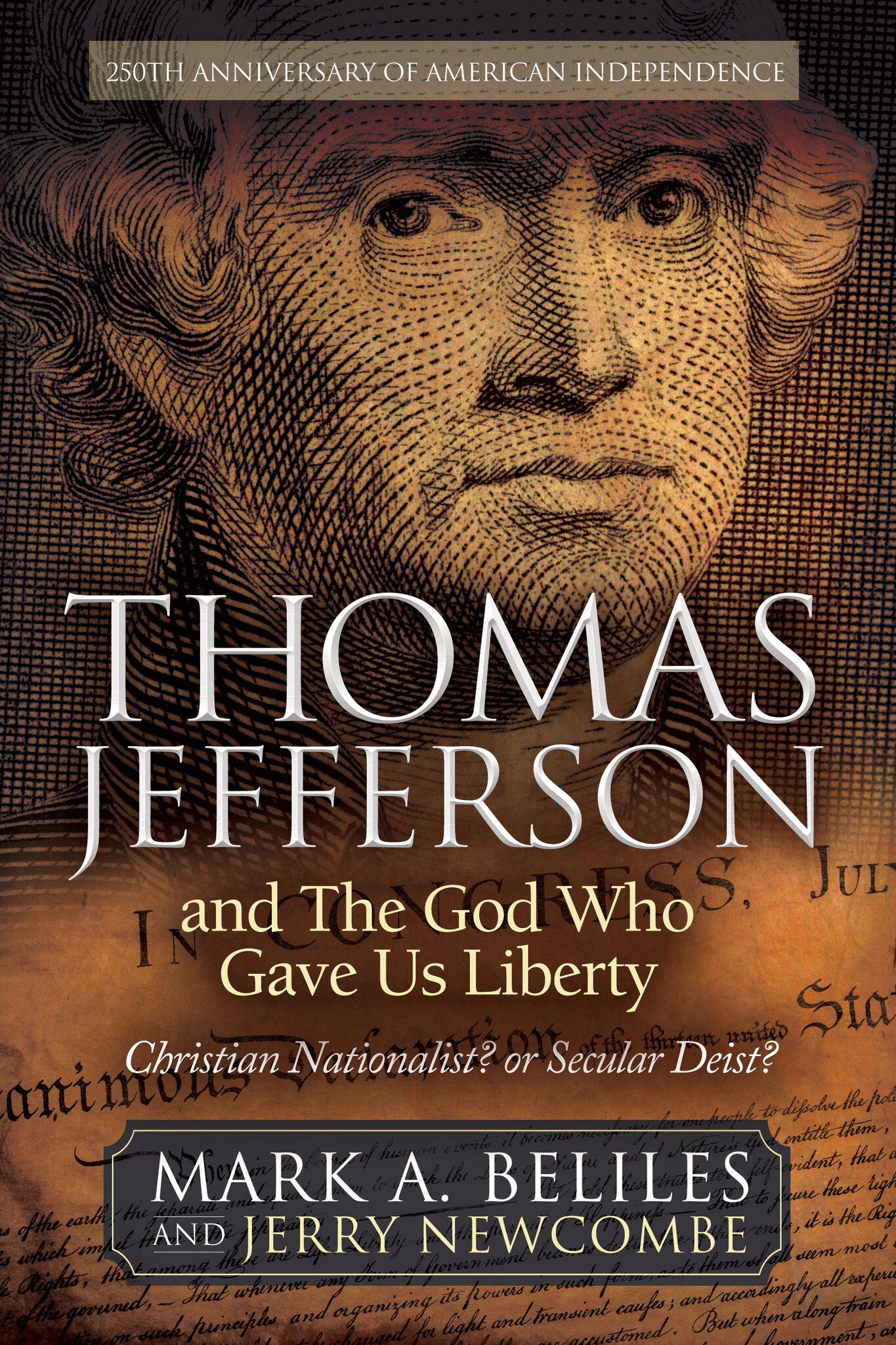
Thomas Jefferson and The God Who Gave Us Liberty by Mark A. Beliles (Morgan James Publishing)
Was the man who drafted the Declaration a devout Christian or a secular deist? Beliles weighs the evidence on both sides, and asks what Jefferson's beliefs had to do with the liberty he wrote into the founding.
The Promise, Tested
Liberty was the headline, but not everyone was covered by it at first. These books look honestly at the distance between what 1776 promised and who it initially reached.
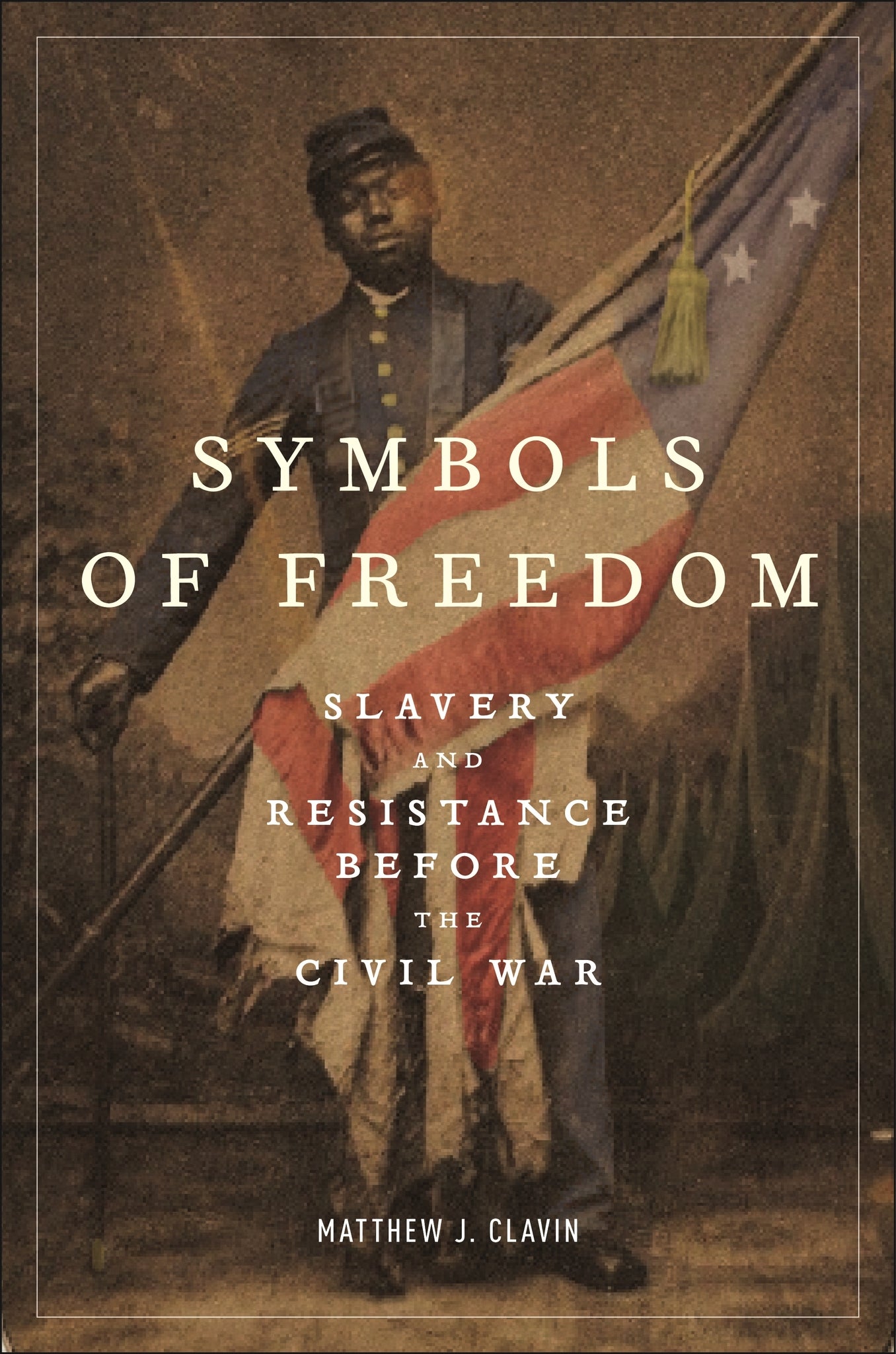
Symbols of Freedom by Matthew J. Clavin (NYU Press)
Long before the Civil War, enslaved Americans were already claiming the language of liberty for themselves and turning the nation's founding symbols into tools of resistance. Clavin shows that the fight for freedom began far earlier, and far closer to home, than most histories let on.

Liberty's Prisoners by Jen Manion (University of Pennsylvania Press)
In the same years the new republic was celebrating freedom, it was also building its first prisons. Manion's history of early American incarceration follows the people, many of them women, who ended up on the other side of liberty's promise.
We the People, All of Us
The story of the country is partly the story of who got added to it. Here are the people and movements who kept widening the circle.
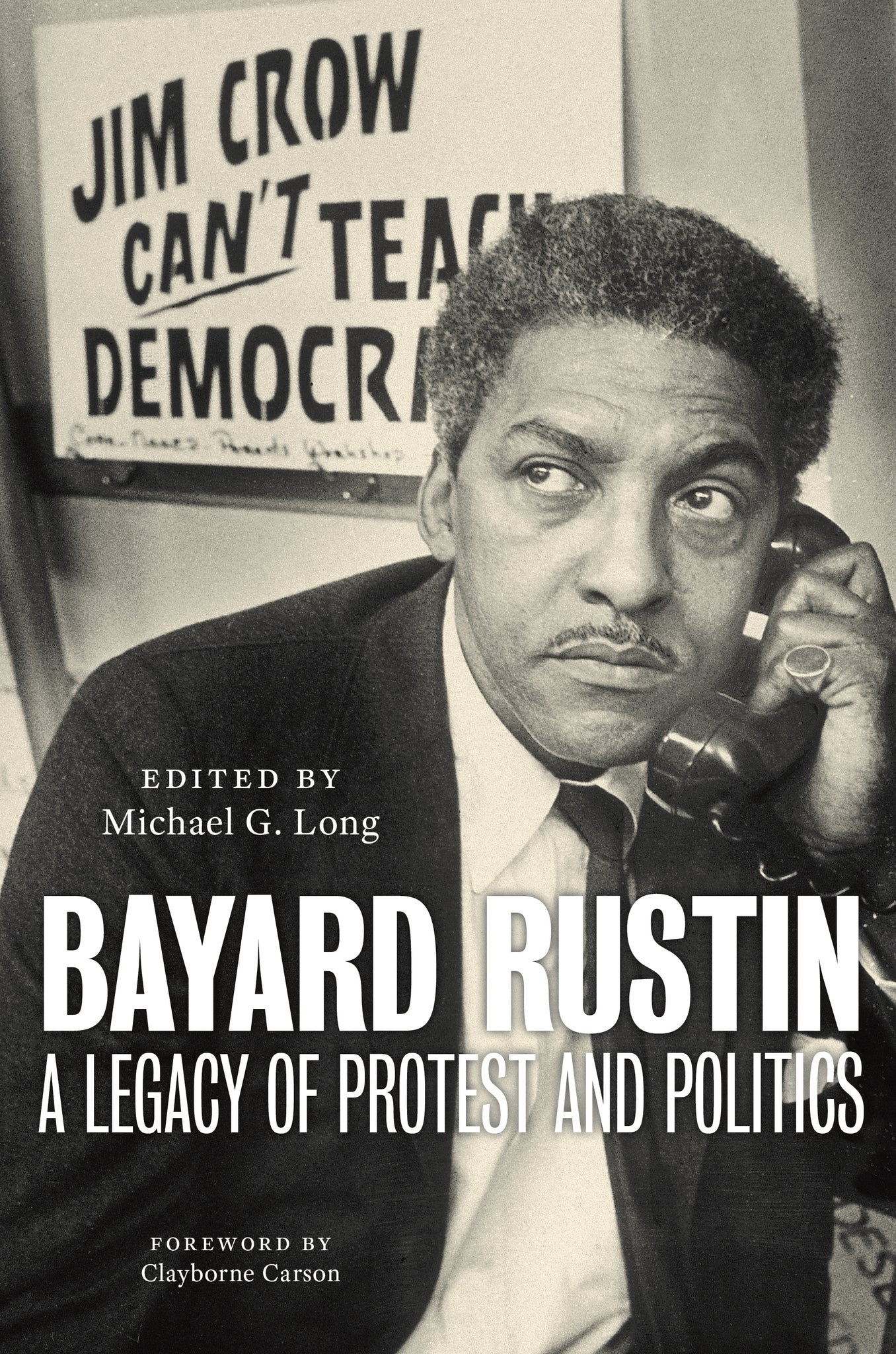
Bayard Rustin: A Legacy of Protest and Politics by Michael G. Long (NYU Press)
The organizer behind the 1963 March on Washington spent his life pushing America to live up to its own ideals, often from the margins as a gay Black man. This portrait restores Rustin to the center of the civil rights story.
Amplify! My Fight for Asian America by Dion Lim (Third State Books)
Part memoir, part rallying cry, journalist Dion Lim's account of covering and confronting anti-Asian violence brings the story right up to the present. A reminder that who counts as American is still being worked out in real time.
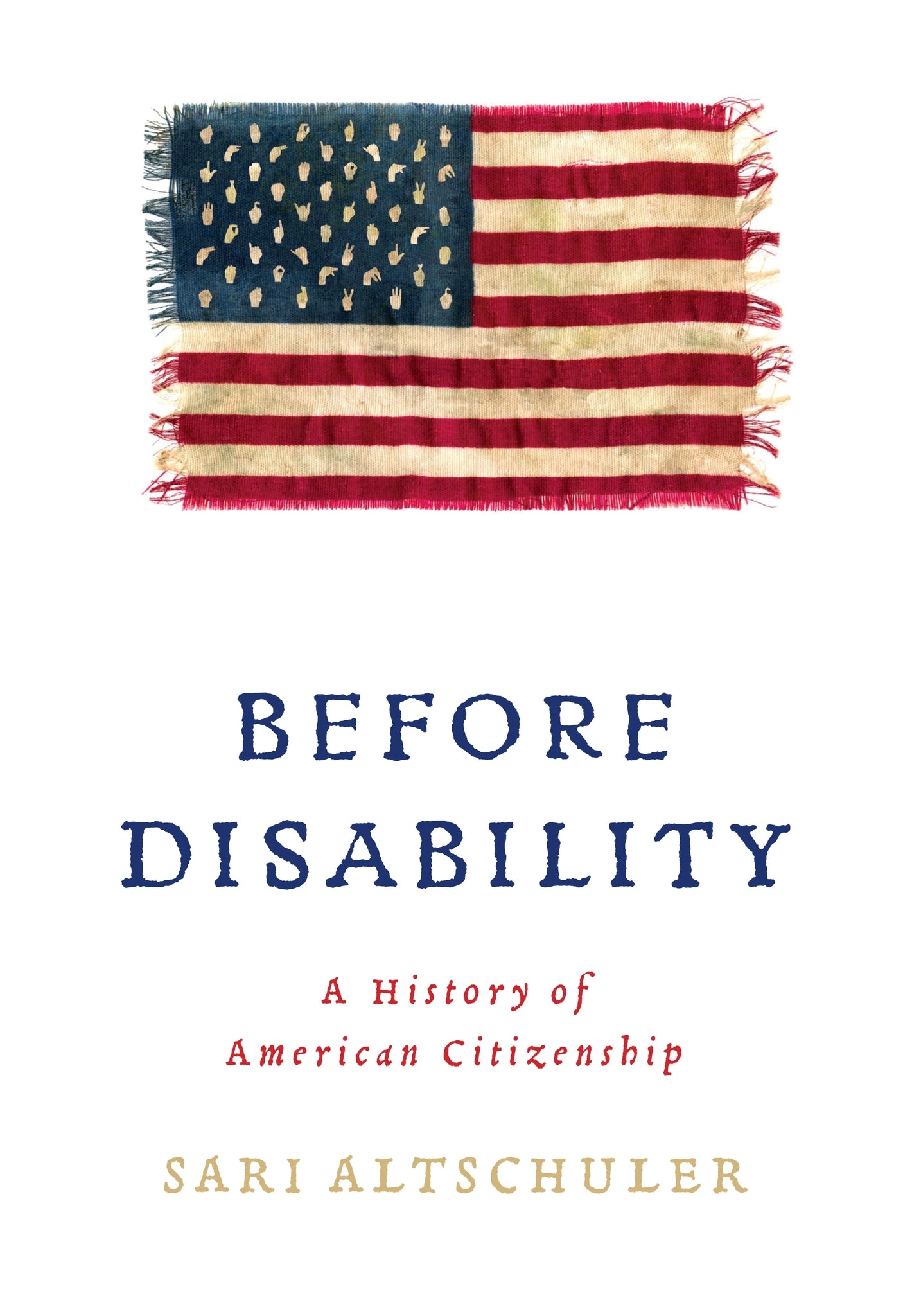
Before Disability: A History of American Citizenship by Sari Altschuler (University of Pennsylvania Press)
Altschuler tells the surprising story of how disability shaped the very idea of who got to be a full citizen, reaching all the way back to the founding. A genuinely unexpected lens on a familiar history.
Arguing Over America
Two hundred and fifty years on, Americans still don't fully agree on what the founding meant, and that argument is part of the legacy. These books make the case from very different starting points.
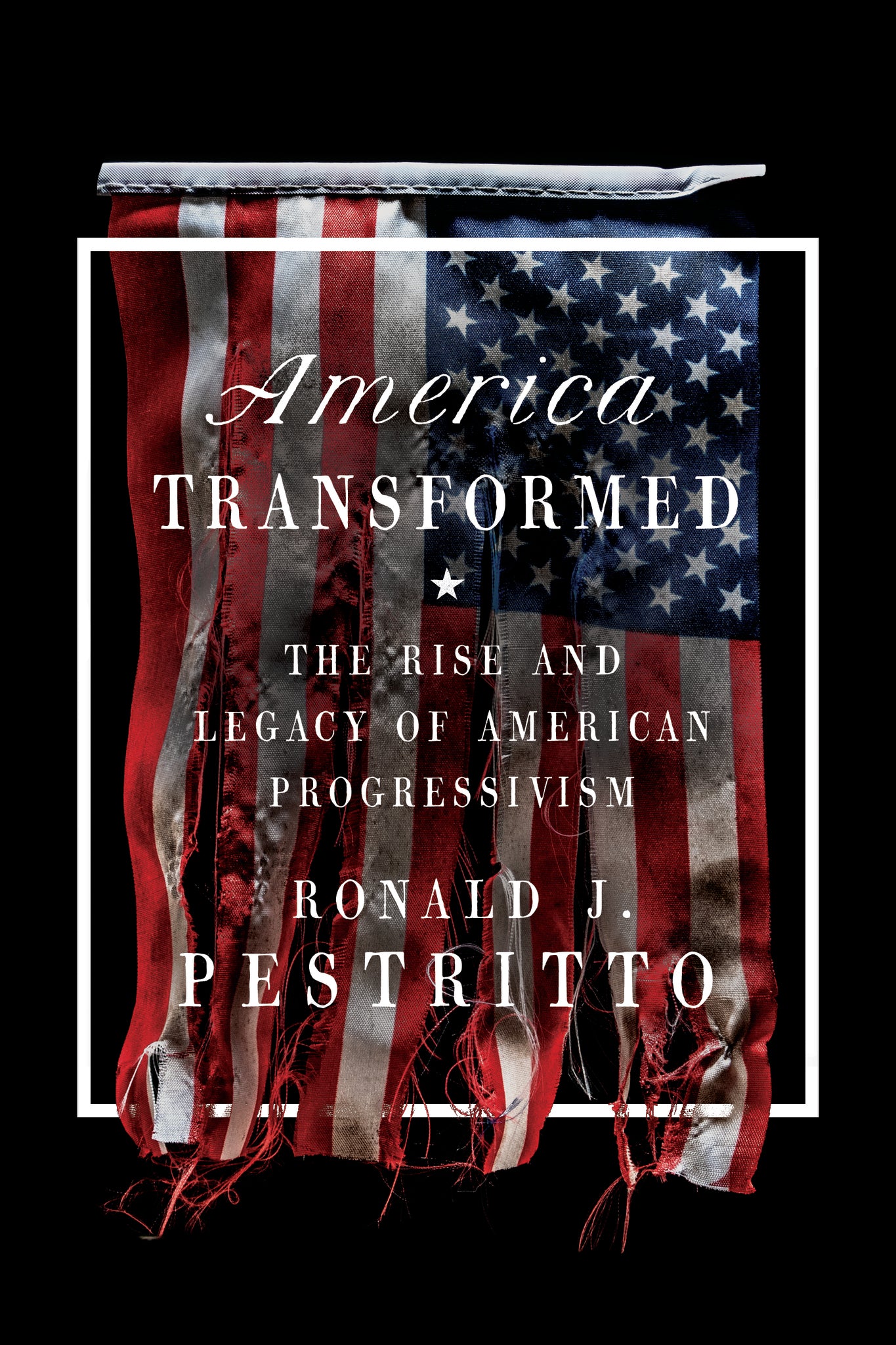
America Transformed: The Rise and Legacy of American Progressivism by Ronald J. Pestritto (Encounter Books)
Pestritto argues that the Progressive Era marked a real break from the founders' vision. Whether or not you land where he does, it is a clear, pointed account of how the country changed and what he believes it gave up along the way.
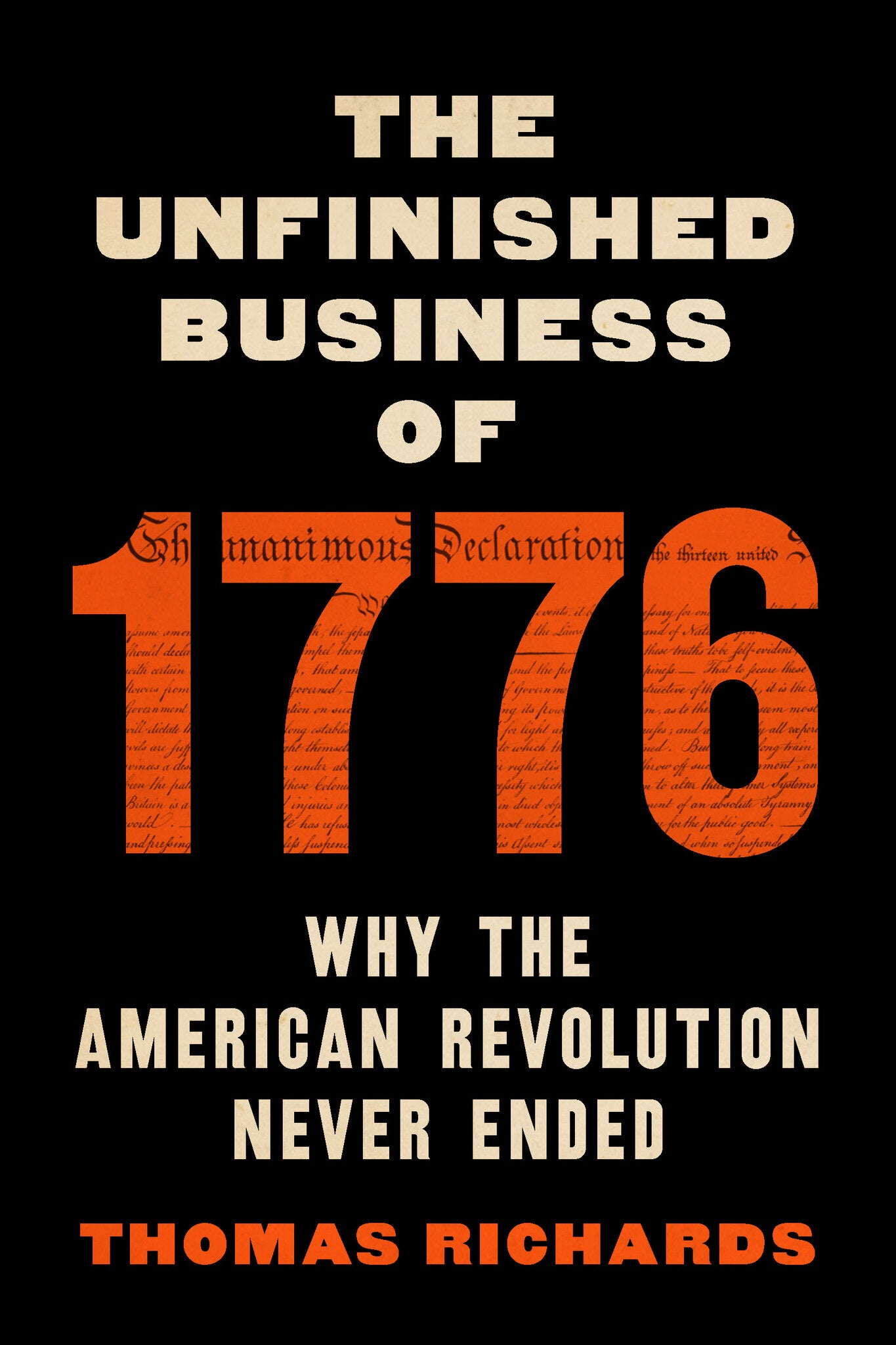
The Unfinished Business of 1776: Why the American Revolution Never Ended by Thomas Richards Jr. (The New Press)
Richards makes the case that the Revolution did not wrap up in 1783, or arguably ever, and that every generation since has had a hand in finishing it. A fresh way to think about what the anniversary is actually marking.
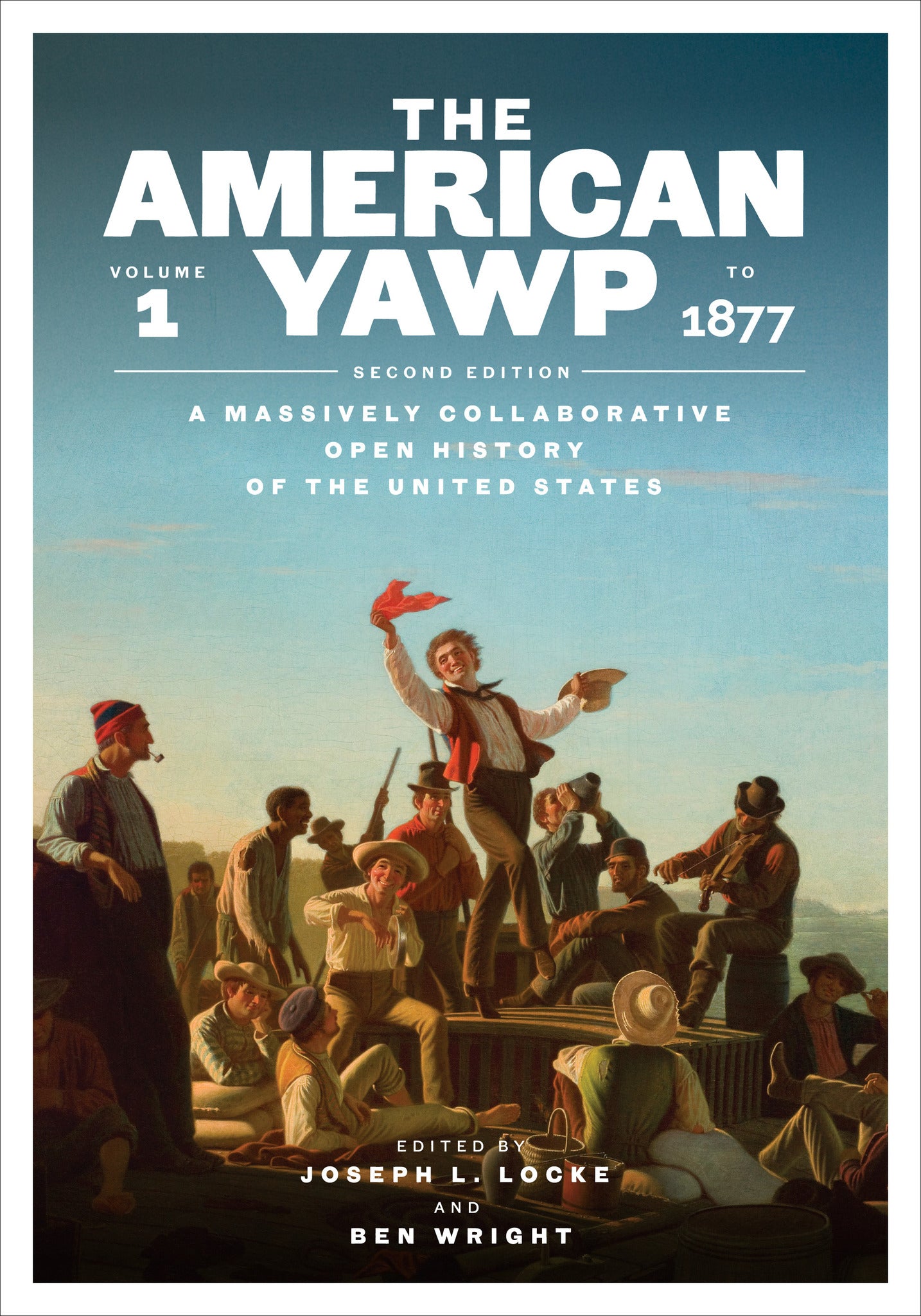
The American Yawp, Second Edition by Joseph L. Locke and Ben Wright (Stanford University Press)
Built by hundreds of historians working together, this collaborative survey pulls the newest scholarship into one sweeping account of the nation's first century, through 1877. History written by the many rather than the few.
Passing It On
The next generation inherits this too. These are the books that hand it over to younger readers, in English and in Spanish.
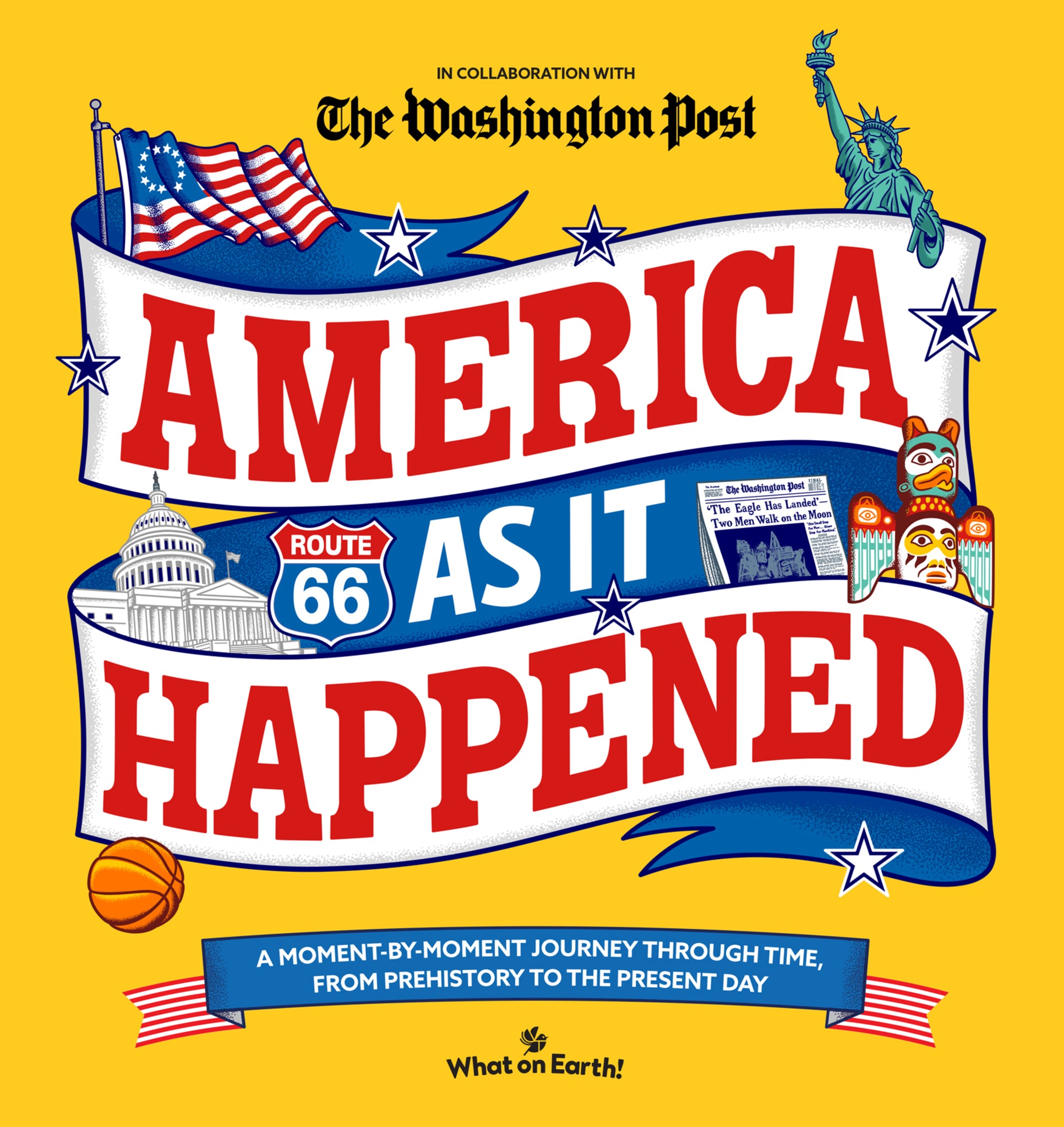
America As It Happened (What on Earth Publishing)
A moment-by-moment timeline that races from prehistory to the present, built to pull curious kids straight into the action. History as a story that never stops moving. (Ages 10 to 14.)
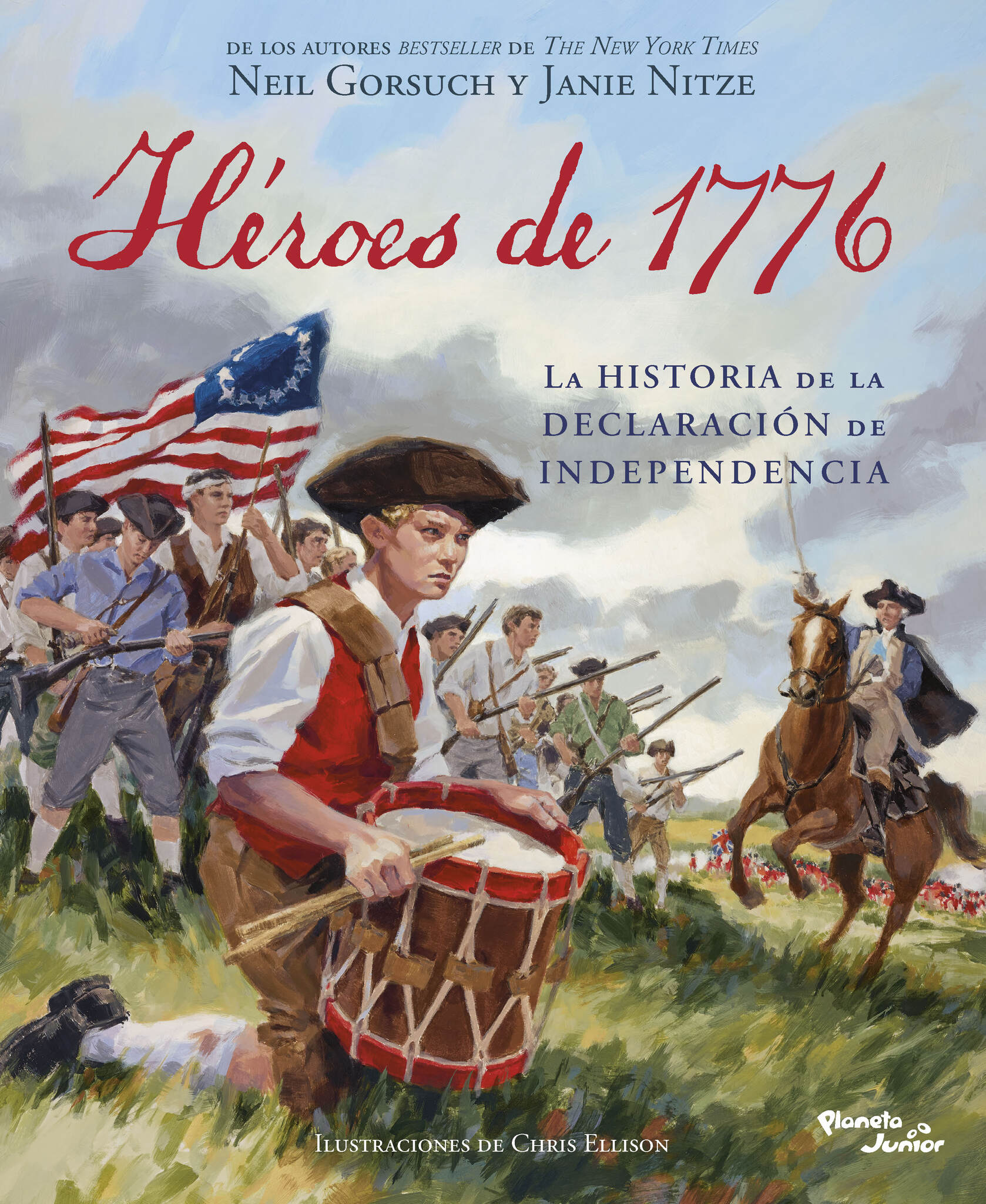
Héroes de 1776 / Heroes of 1776 by Neil Gorsuch (Planeta)
The story of the Declaration of Independence told for young readers in a single bilingual edition, with the English and Spanish side by side. A natural pick for classrooms and families who move between both languages. (Ages 7 to 10.)
History You Can Pick Up Anywhere
No syllabus required. Pocket-sized facts, good trivia, and a Revolutionary War novel for anyone who would rather wander in through a side door.
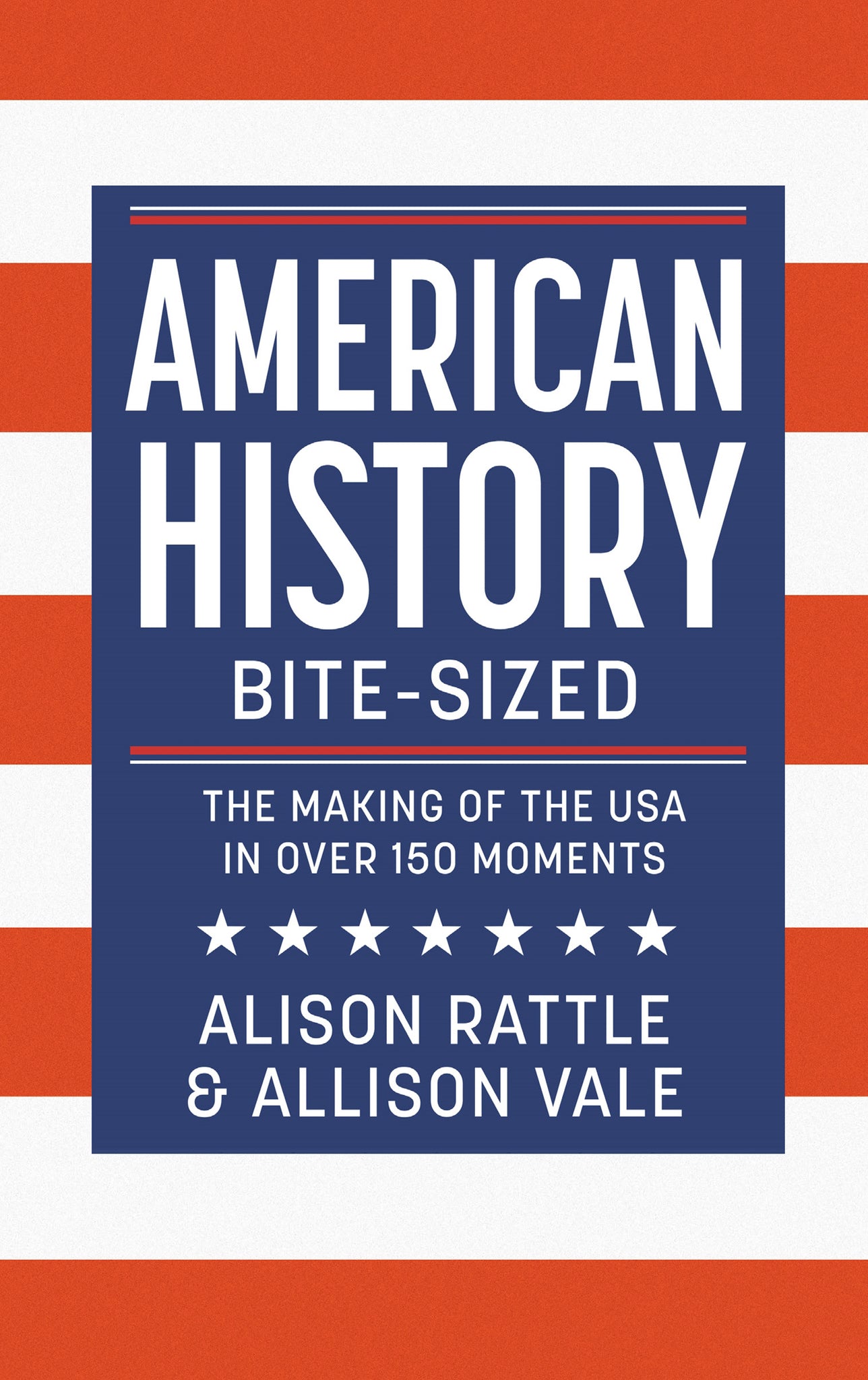
American History Bite-Sized: The Making of the USA in over 150 Moments by Alison Rattle (Michael O'Mara Books)
Two and a half centuries, served in more than 150 short, snackable moments. Made for the reader who wants the whole sweep of American history without committing to a doorstop.
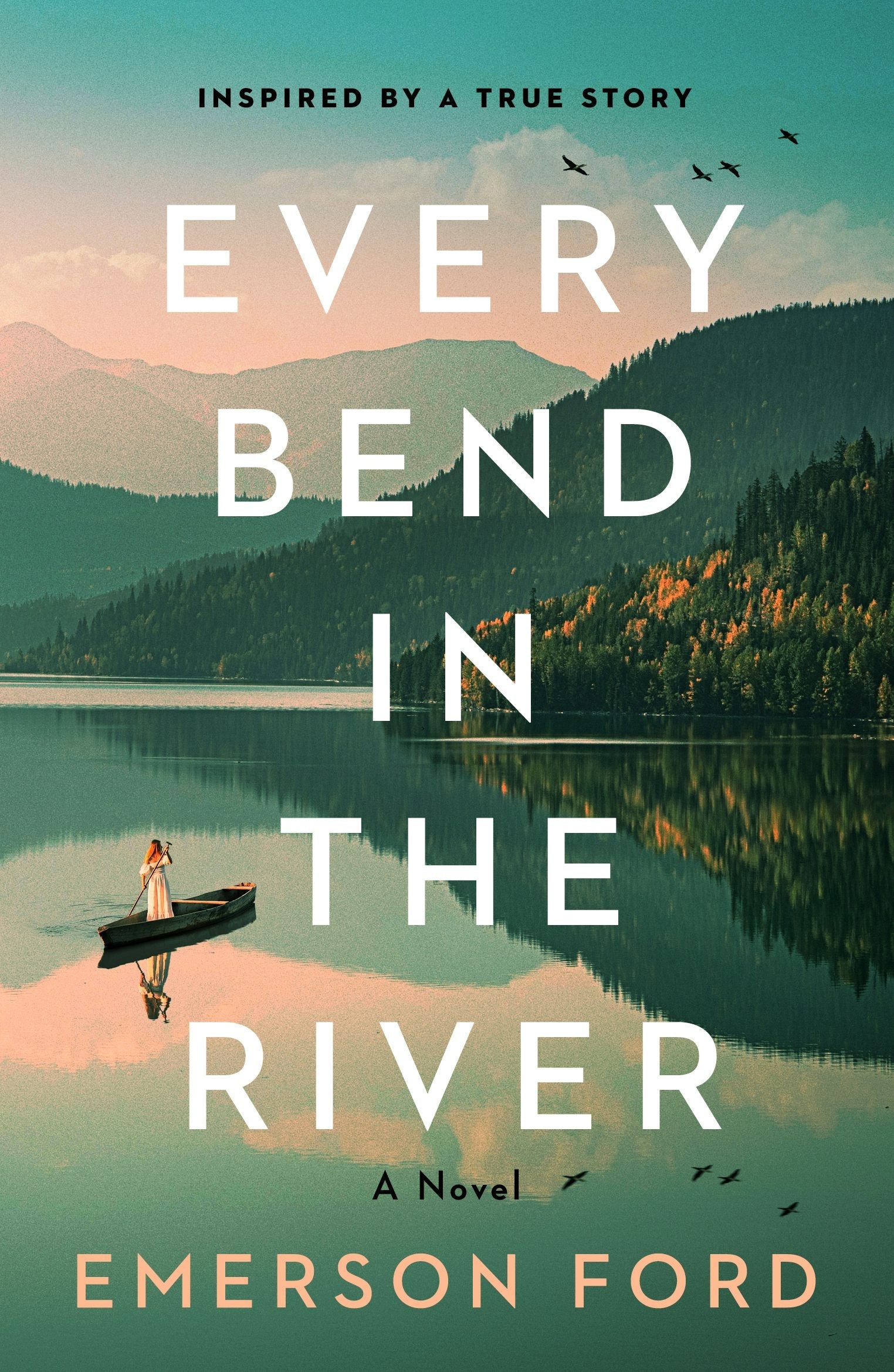
Every Bend in the River by Emerson Ford (Storm Publishing)
The set's one novel, a sweeping family saga set on the Revolutionary frontier. For readers who would rather feel the era through the lives of the people living it than read about it head-on.
A country is not a single story. It is a library. These fifteen books, gathered for America's 250th anniversary, hold the founding documents and the people left out of them, the believers and the dissenters, the scholars and the storytellers.
Read one, or read all of them, and the Fourth of July starts to look less like a finished chapter and more like a conversation 250 years in the making and still going.
Pick the vantage point you would reach for first, then let one of the others surprise you.
Happy reading!