


August is Women in Translation Month. Launched in 2014, this month-long celebration set out to elevate unique, underrepresented works from around the world, and the women who create them. Independent publishers have been at the forefront of that mission from the start, so it's no surprise that this is one of the months we look forward to most at IndiePubs.
The books below will take you around the world, from Korea to Estonia to Chile, and draw you deep into the minds of some of the most complex and perceptive voices in contemporary literature. Every one was written by a woman and carried into English by a translator, which is its own kind of art. Tap any section to jump in.
The Lives of Women in the Arts|Home, Exile, and Belonging|Starting Over|Mothers and Daughters|When the World Stops Making Sense
The Lives of Women in the Arts
These historical novels reimagine the lives of two trailblazing, enigmatic women whose creativity burned brightly at a time when women were so often confined to the margins. Both richly evoke the worlds their protagonists inhabited, and both capture an irrepressible creative spirit.

Frida by Claire Berest, translated by Stephanie Smee (Welbeck)
An award-winning reimagining of the life and marriage of Frida Kahlo, following the iconoclastic artist through the passion and turbulence of her bond with Diego Rivera. Berest writes in prose as vivid and unguarded as Kahlo's own portraits.

The Very Secretive and Passionate Stella Miles Franklin by Alexandra Lapierre, translated by Tina Kover (Europa Editions)
The story of an Australian novelist whose restless ambition carried her from literary success at home, to the suffrage movement in America, to the radical political circles of 1920s Europe. Lapierre follows a woman the whole globe could barely contain.
Home, Exile, and Belonging
Part of the power of translated literature lies in its ability to show the contours of life in other places: the people, traditions, and memories that make somewhere home. But what happens when home is unsteady, destabilized by political forces, or blurred by the passage of time? These novels examine home as both a place and an idea.
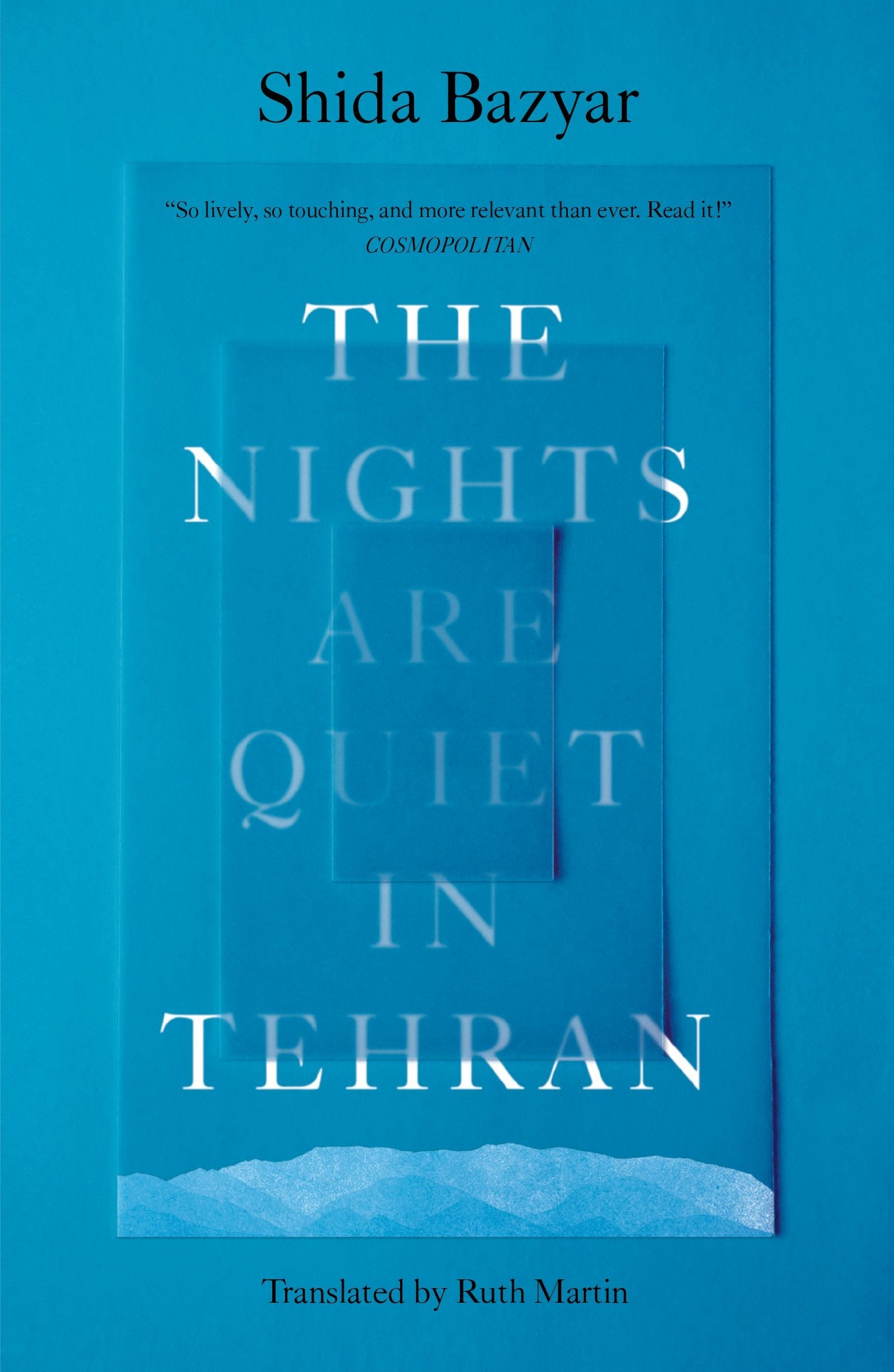
The Nights Are Quiet in Tehran by Shida Bazyar, translated by Ruth Martin (Scribe)
A family's story told across generations, from Iran to exile in West Germany, exploring how identity is held onto through displacement and what it means to return to a home transformed beyond recognition. Bazyar writes with a clear political eye and a warmth that never tips into sentiment.

Tangerinn by Emanuela Anechoum, translated by Lucy Rand (Europa Editions)
After her Moroccan-born father dies, a woman returns to the Calabrian town where he ran a bar that had been a gathering place for the migrants around them. Anechoum's novel is about identity, memory, and the ways belonging can be tied to a single place.
Starting Over
For the writers in this section, literature is a place to confront what comes after life's disruptions. One from an internationally renowned author and one from an emerging voice, these novels are honest about the difficult, messy, and profound work of rebuilding a life.

The Days of Abandonment by Elena Ferrante, translated by Ann Goldstein (Europa Editions)
Many readers know Ferrante from the Neapolitan Novels, but her first book in English already shows that voice fully formed: lucid, honest, and full of righteous anger. It follows an Italian woman in the days after her husband of fifteen years leaves, and her struggle to rebuild a sense of self after the unthinkable.

The Cut Line by Carolina Pihelgas, translated by Darcy Hurford (World Editions)
A woman flees to the Estonian countryside to recover from a toxic relationship, only to find the climate crisis and expanding military exercises pressing in around her cottage. Following the rhythms of the natural world, she begins to rediscover her autonomy, and starts down the road of healing.
Mothers and Daughters
The bond between a mother and a daughter is rarely simple, and these two books hold it from opposite ends of the emotional register. One is fractured and searching, the other whimsical and warm. Both understand that a mother and a daughter are always, in some way, trying to make sense of each other, and to care for each other across the distance between them.
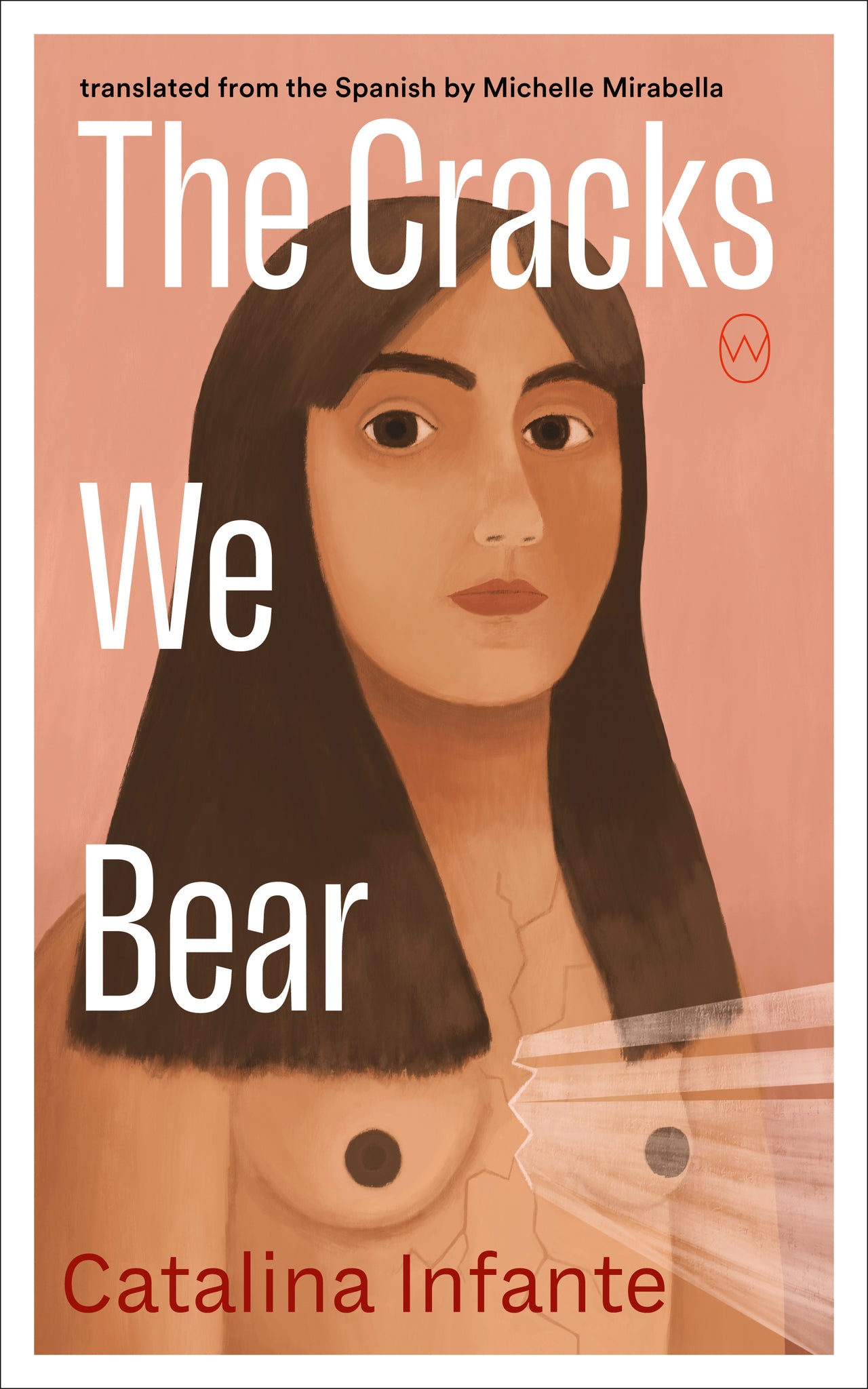
The Cracks We Bear by Catalina Infante, translated by Michelle Mirabella (World Editions)
In this short but powerful novel, a new mother reflects on her own, sometimes traumatic family life, and her coming of age in a politically volatile Chile. Told in fractured vignettes that slowly fit together, it mirrors the way memory works, and the tangle of feeling that defines being a mother and a daughter at once.

Clock Spa by Jung-min Kwon, translated by Jamie Chang (Restless Books)
An uplifting, illustrated story from Korea about a young girl who wishes her mother would stop talking about time, until her mother is turned into a clock. The story and art are whimsical, but the book carries a real message about the understanding between parents and children, and how they learn to care for each other.
When the World Stops Making Sense
We already know that some of the most incisive politically and socially engaged fiction is coming from women's voices, including many of the authors on this list. These two take it a step further, using boundary-pushing, verging-on-the-absurd setups as the frame for their critique of modern life.
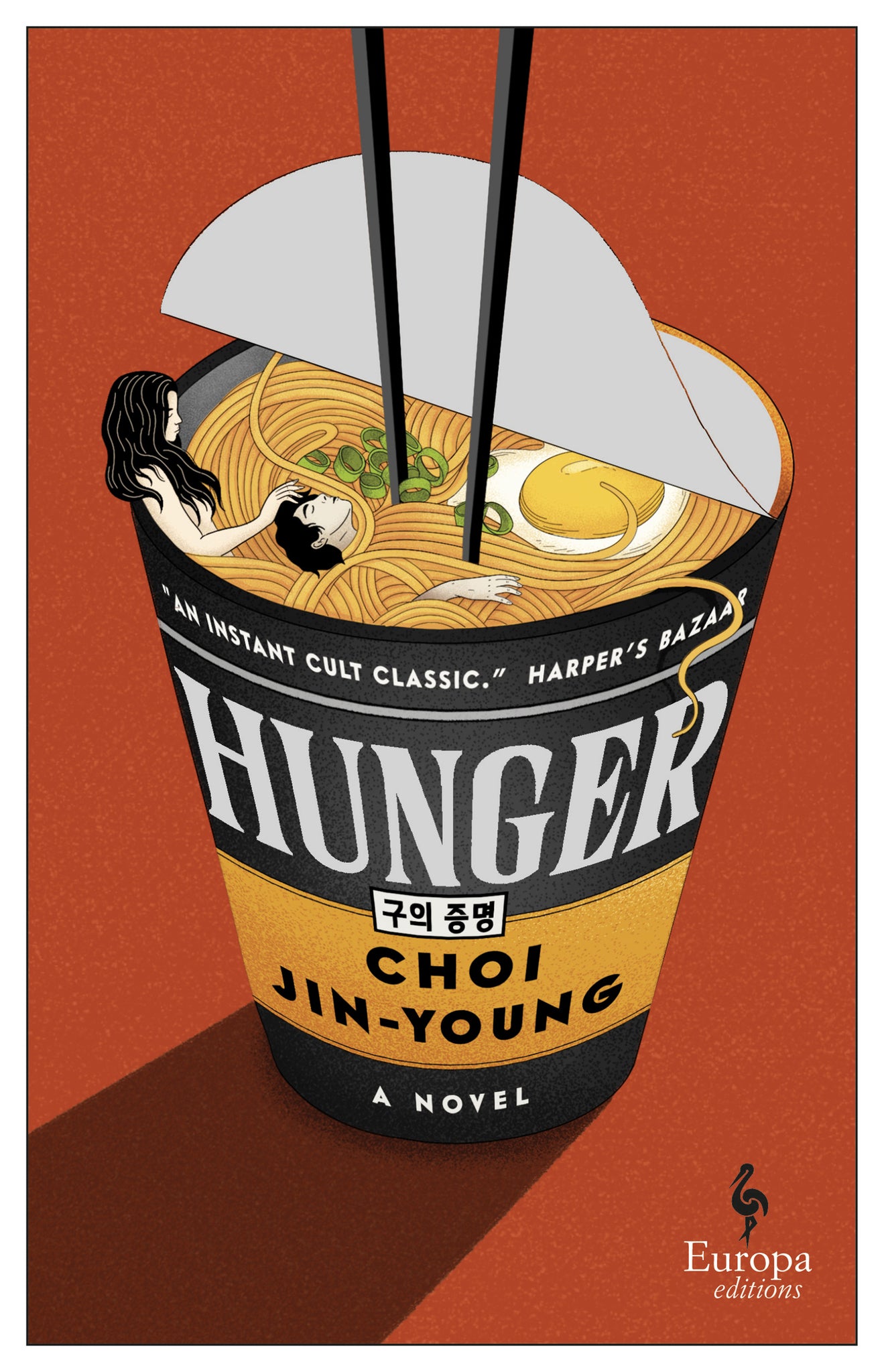
Hunger by Choi Jin-young, translated by Soje (Europa Editions)
A cult classic in Korea, this novel opens with a woman watching her partner murdered in the street. Rather than surrender his body to the authorities, she begins to consume it, in an act of grief, love, and rebellion. It folds body horror into a philosophical indictment of capitalism and the harm it does, to body and mind alike.
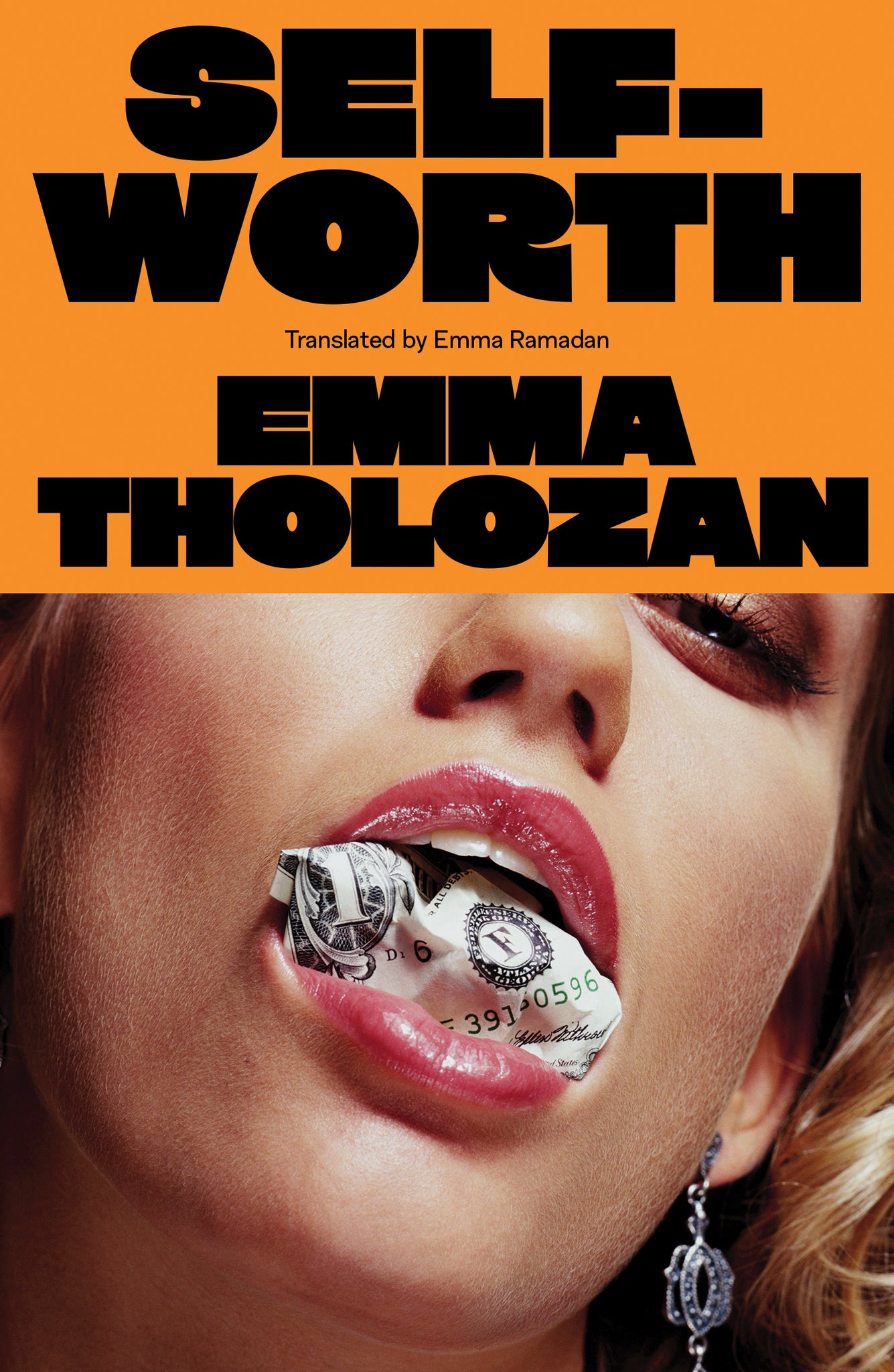
Self-Worth by Emma Tholozan, translated by Emma Ramadan (Scribe)
Another novel built on an outrageous premise: a recent humanities graduate watches her life transform when her boyfriend begins, literally, vomiting money, launching the couple from financial precarity into sudden wealth. Darkly funny and sharply observed, it uses that absurd setup to explore the uneasy relationship between love and money.
Translation is how a story written in one language gets to live a second life in another, and Women in Translation Month is a chance to celebrate the writers and the translators who make that possible. Every book here began somewhere else, in Korean or Estonian or Italian or Spanish, and every one has something to say to a reader in English.
Pick the country, or the mood, that calls to you, and start there. Happy reading.
Happy reading!