


Some error occured while loading the Quick View. Please close the Quick View and try reloading the page.
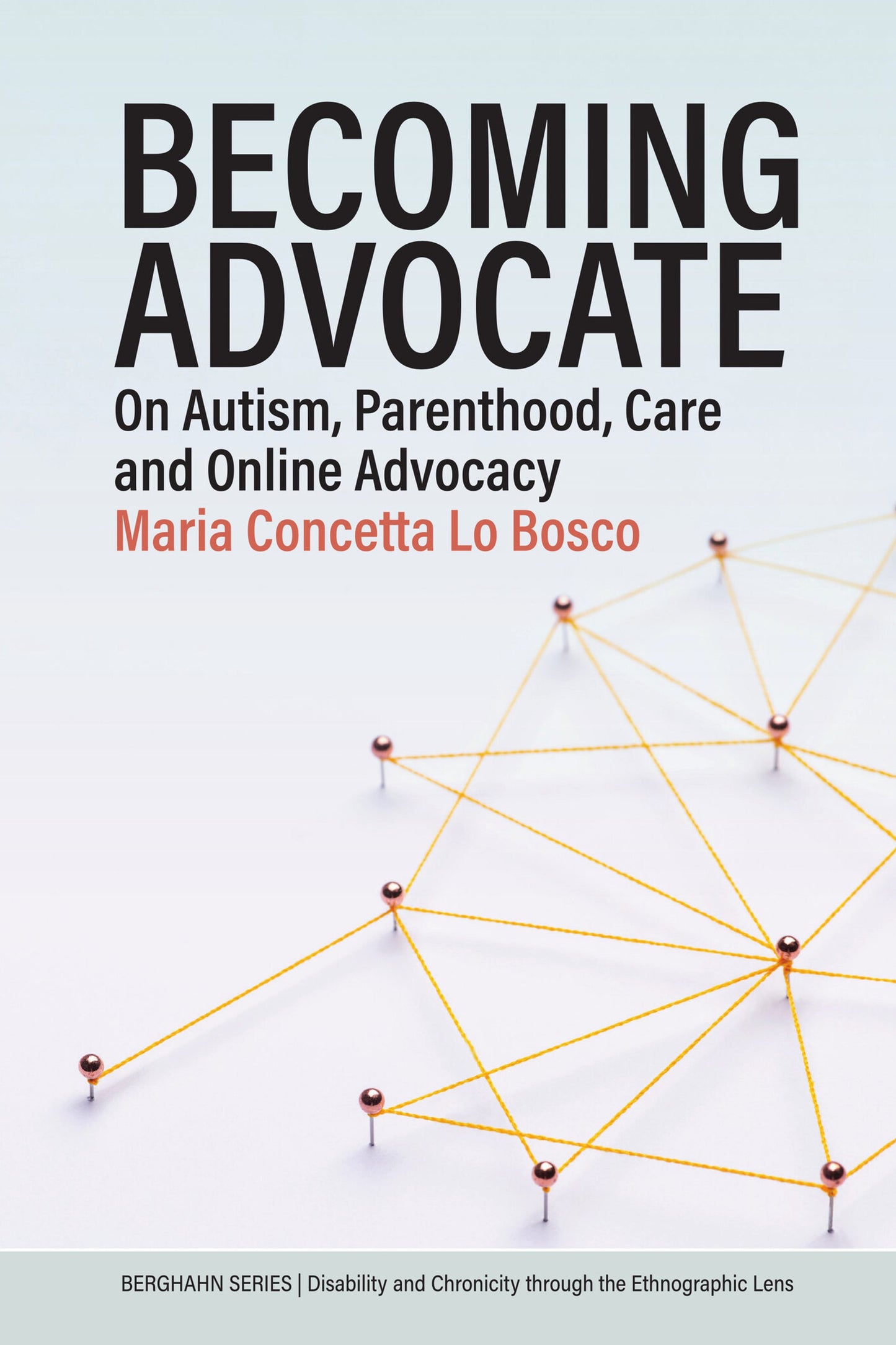
Tracing the emergence of autism in Portugal, from its early recognition in child psychiatry to the rise of parent-led advocacy and digital activism, this book examines how families confront inadequate services, challenge outdated paradigms and advocate for educational and social reforms. Drawing on ethnography and critical analysis, it defines advocacy as a transformative practice that reshapes parents’ identities and links care with politics, showing how digital infrastructures become a force for collectivising in the absence of state support, revealing the intertwined socio-institutional and affective dimensions of care and civic engagement in Portugal. It explores how autistic subjectivities challenge normative notions of personhood and citizenship.


“Becoming Advocate is a powerful ethnography of parent-led activism on behalf of autistic children in Portugal. As an autism scholar and anthropologist, I read it with great interest and found the moments detailed between parents and their children beautifully evocative and engaging.” • Roslyn Malcolm, Durham University
Maria Concetta Lo Bosco is a Research Fellow at the Institute of Social Sciences, University of Lisbon. She has published on autism advocacy, mothering practices, gendered care labour and the emotional dimensions of ethnographic fieldwork.
Acknowledgements
List of Abbreviations
Introduction
Part I: Setting the scene
Chapter 1. Autism and Portuguese child psychiatry
Chapter 2. The birth of the Portuguese autism associationism
Part II: Assemblages of transition
Chapter 3. Parents’ journeys and online advocacy
Chapter 4. Becoming advocates
Part III: Disruptive subjectivities
Chapter 5. Affectivity and engagement
Chapter 6. Unsettling the citizen
Conclusion
References
Index