


Some error occured while loading the Quick View. Please close the Quick View and try reloading the page.
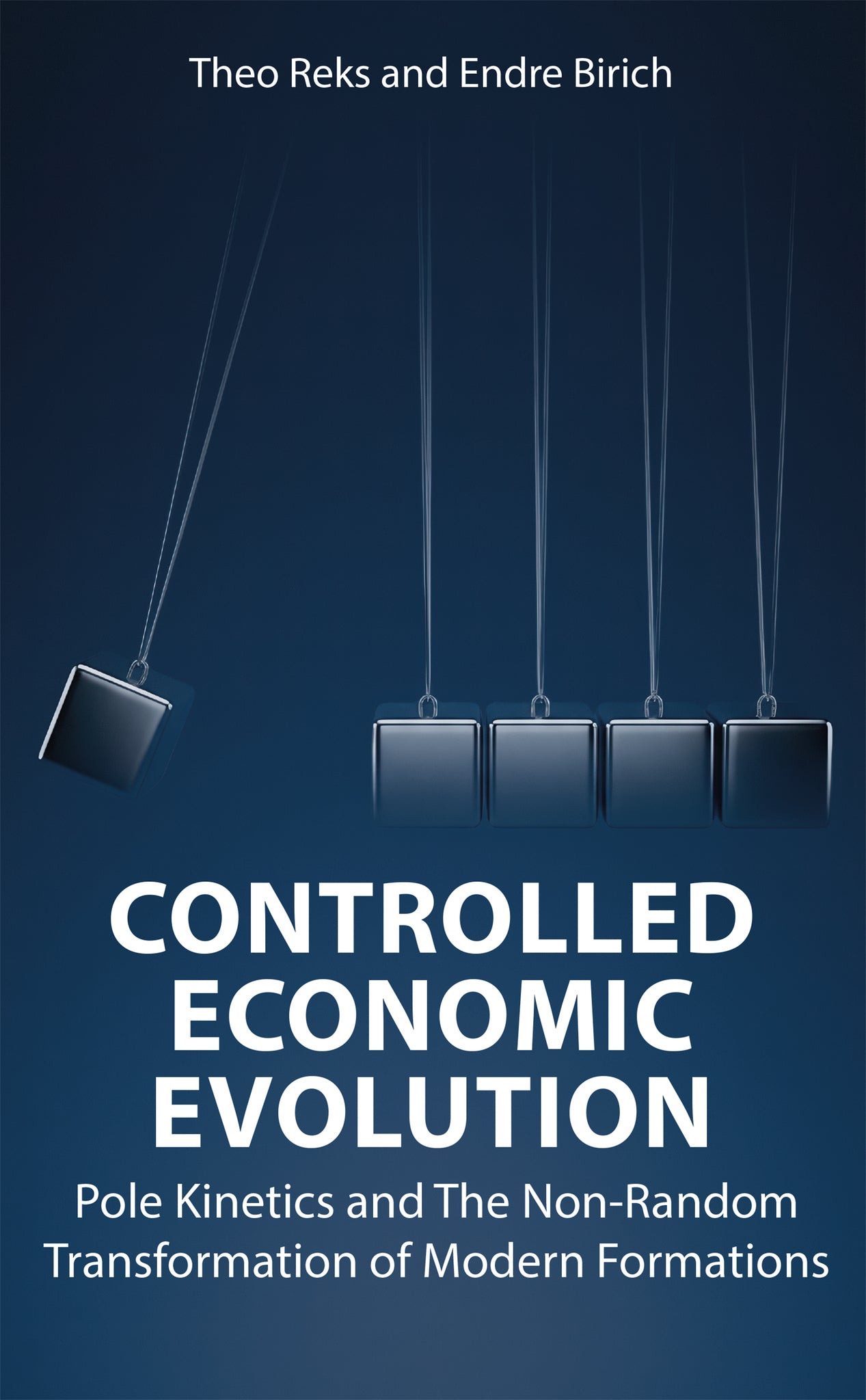
The most pressing challenge for countries with developing or transitional economies is how to make their economies more innovative, creative, and sustainable. For most politicians and the economists advising them, this problem feels dauntingly complex—every social system is unique and difficult to predict. The path forward is rarely straightforward, and outcomes have long depended heavily on the leaders’ instincts and fortune.
This book presents the theory of pole kinetics—a practical framework guiding countries toward the developed-economy realm. It reveals a profound yet under-explored correlation between a society’s cultural values and the functioning of its social institutions. The theory and its practical applications are rooted in the study of numerous countries during periods of transition—when tangible assets such as land, oil, metals, and industrial equipment gave way to intangible ones, including works of literature, art and design, patents, and brands.
Patterns found at the intersection of economics and culture hold the key to making development manageable, irreversible, and sustainable. These include building reliable measurement systems, dismantling outdated “ritual” institutions, and replacing them with ones that work. The book also addresses the uncomfortable question of why adopting the best international practices has never resulted in a breakthrough for any developing country, and what needs to change. Economic “miracles” are no longer miraculous. This theory gives nations the tools and understanding to achieve them. All that remains is the willpower to act.


Theo Reks has over fifteen years of experience advising countries with transitional and developing economies and focuses on the data economy, creative and technology industries, particularly on the global shift toward economies driven by intangible assets and human capital.
Endre Birich is an entrepreneur, philosopher, and lawyer with several decades of practical experience in managing large-scale projects across diverse sectors, including technological manufacturing, real estate development, agribusiness, software development, and national consultancy.
Preface ; Introduction. On The Theory Of Pole Kinetics ; 1. Old New Concepts ; 2. Change Of Economic Formations: Pattern Or Coincidence?; 3. Same Institutions – Different Outcomes; 4. Cultural Values; 5. Institutional Balancing. Do Transitional Institutions Really Exist?; 6. Theory Of Pole Kinetics. Essential Takeaways For Nations; 7. The Micro And Macro Levels Of The Economic System, Or Why The Theory Of Pole Kinetics Works; Instead Of Conclusion; Appendix 1. Sample Sociological Survey To Assess The Cultural Values Of A Given Society Based On Hofstede's Framework; Appendix 2. Institutions Identified And Categorised By Their Functional Purpose; Appendix 3. Dynamics Of Social Institutions For Knowledge Development In Post-Covid Georgia (2019 – 2023); Appendix 4. Set Of Institutions Not Implemented In Georgia