


Some error occured while loading the Quick View. Please close the Quick View and try reloading the page.
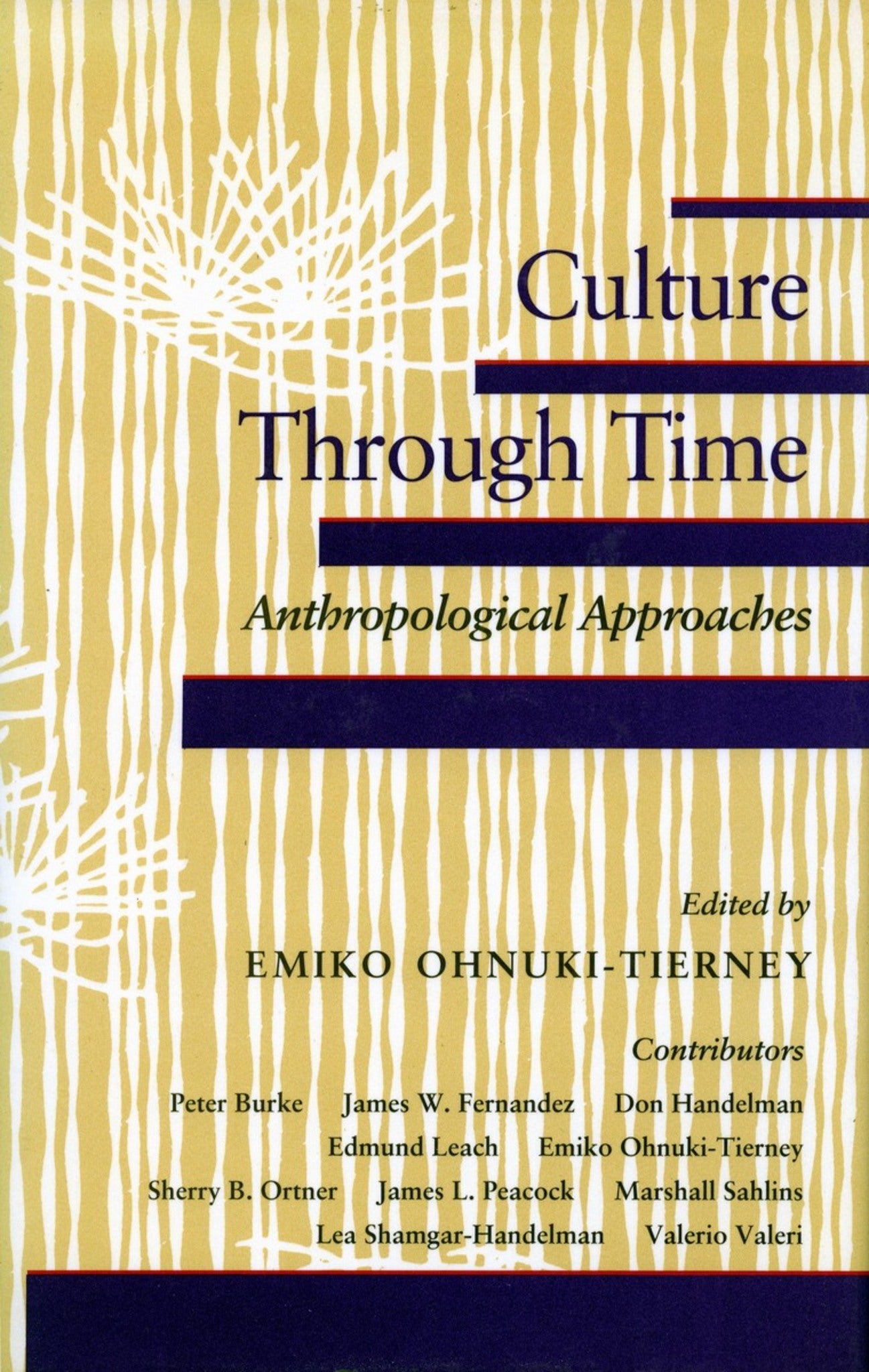
A Stanford University Press classic.

Price: $150.00
Pages: 344
Publisher: Stanford University Press
Imprint: Stanford University Press
Publication Date:
01 January 1991
Trim Size: 9.00 X 6.00 in
ISBN: 9780804717922
Format: Hardcover

"Flowers That Kill is an impressive, wide-ranging feat of scholarship that illuminates a fascinating topic: the capacity of flowers to shift imperceptibly from benevolent symbols to harbingers of death and destruction. The deft but nuanced way in which Ohnuki-Tierney handles this sensitive material makes the book of crucial importance to academics and non-academics alike—really, to anyone still troubled by the horrors of World War II or by the human calamities of our times."—Peter Geschiere, University of Amsterdam, author of Perils of Belonging
"Provides one of the best 'conjunctions' of history and anthropology we have."—Journal of Social History
"Few contemporary anthropologists write with the emotional depth and complexity of thought as Emiko Ohnuki-Tierney. In Flowers That Kill Ohnuki-Tierney takes on a most difficult task, asking how symbolic meaning changes—how symbols that carry core values become politically opaque, often subverting their moral content in ways that also subvert human action. Flowers That Kill not only shows the power of what we take for granted, but offers a compassionate acceptance of perhaps the greatest challenge to our humanness."—A. David Napier, University College London
"Provides one of the best 'conjunctions' of history and anthropology we have."—Journal of Social History
"Few contemporary anthropologists write with the emotional depth and complexity of thought as Emiko Ohnuki-Tierney. In Flowers That Kill Ohnuki-Tierney takes on a most difficult task, asking how symbolic meaning changes—how symbols that carry core values become politically opaque, often subverting their moral content in ways that also subvert human action. Flowers That Kill not only shows the power of what we take for granted, but offers a compassionate acceptance of perhaps the greatest challenge to our humanness."—A. David Napier, University College London