


Some error occured while loading the Quick View. Please close the Quick View and try reloading the page.
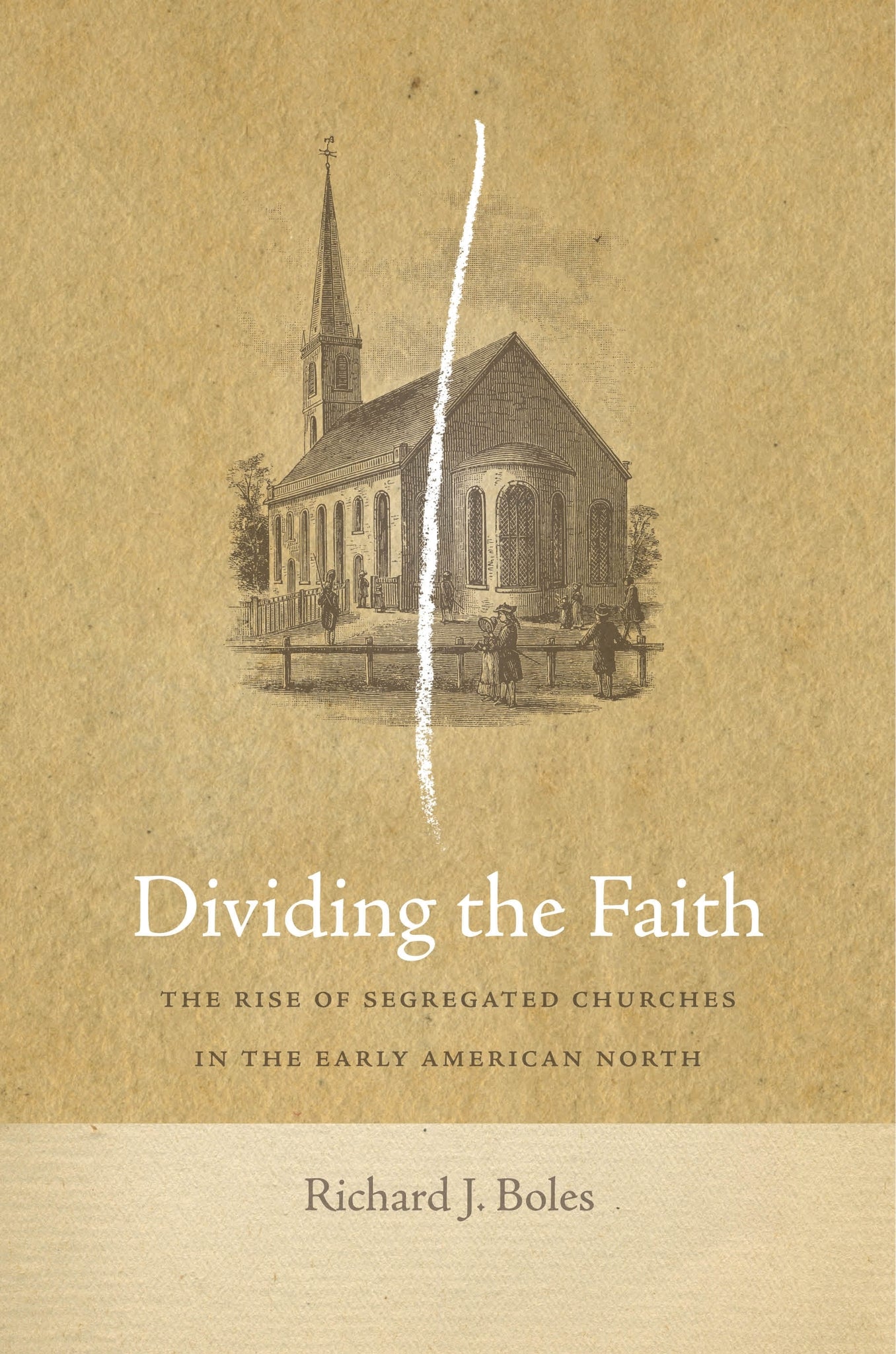
Uncovers the often overlooked participation of African Americans and Native Americans in early Protestant churches
Phillis Wheatley was stolen from her family in Senegambia, and, in 1761, slave traders transported her to Boston, Massachusetts, to be sold. She was purchased by the Wheatley family who treated Phillis far better than most eighteenth-century slaves could hope, and she received a thorough education while still, of course, longing for her freedom. After four years, Wheatley began writing religious poetry. She was baptized and became a member of a predominantly white Congregational church in Boston. More than ten years after her enslavement began, some of her poetry was published in London, England, as a book titled Poems on Various Subjects, Religious and Moral. This book is evidence that her experience of enslavement was exceptional.
Wheatley remains the most famous black Christian of the colonial era. Though her experiences and accomplishments were unique, her religious affiliation with a predominantly white church was quite ordinary. Dividing the Faith argues that, contrary to the traditional scholarly consensus, a significant portion of northern Protestants worshipped in interracial contexts during the eighteenth century. Yet in another fifty years, such an affiliation would become increasingly rare as churches were by-and-large segregated.
Richard Boles draws from the records of over four hundred congregations to scrutinize the factors that made different Christian traditions either accessible or inaccessible to African American and American Indian peoples. By including Indians, Afro-Indians, and black people in the study of race and religion in the North, this research breaks new ground and uses patterns of church participation to illuminate broader social histories. Overall, it explains the dynamic history of racial integration and segregation in northern colonies and states.


— Christine Leigh Heyrman, University of Delaware
In this timely and richly textured book, Richard Boles adds critical nuance to the history of race and religion in the United States. His account is strongly worth reading, not just for all we learn about the infinite complexities of race relations in Indian, black, and white churches, but for the hundreds of individual stories, people of color exercising spiritual agency and, without doubt, moral courage.
— Margaret Bendroth, author of The Last Puritans: Mainline Protestants and the Power of the Past
“The most segregated time in America is 11 a.m. on Sunday,” or so the saying goes. That wasn’t always the case. In fact, as Richard Boles shows, surprising numbers of Blacks and Indians worshiped in northern churches from the colonial period through the 1850s, until driven away by racism and the desire for self-determination. Boles’s original and timely work reveals the tangled interplay of race and religion in early American history.
— Jon Sensbach, author of Rebecca’s Revival: Creating Black Christianity in the Atlantic World
A comparative analysis of African American and Native American peoples’ participation in white churches, Boles’s study encourages us to reconsider the conflicting politics of history and memory; specifically, how the social and cultural views of subsequent generations of Americans have distorted the assorted nature of the past.
There is no question that Boles’s remarkable spadework has laid the groundwork for further inquiry. One can only hope that he and others will continue to pursue these questions, which bear so directly on our understanding of the Christian past and present.