


Some error occured while loading the Quick View. Please close the Quick View and try reloading the page.
Available open access digitally under CC-BY-NC-ND licence.
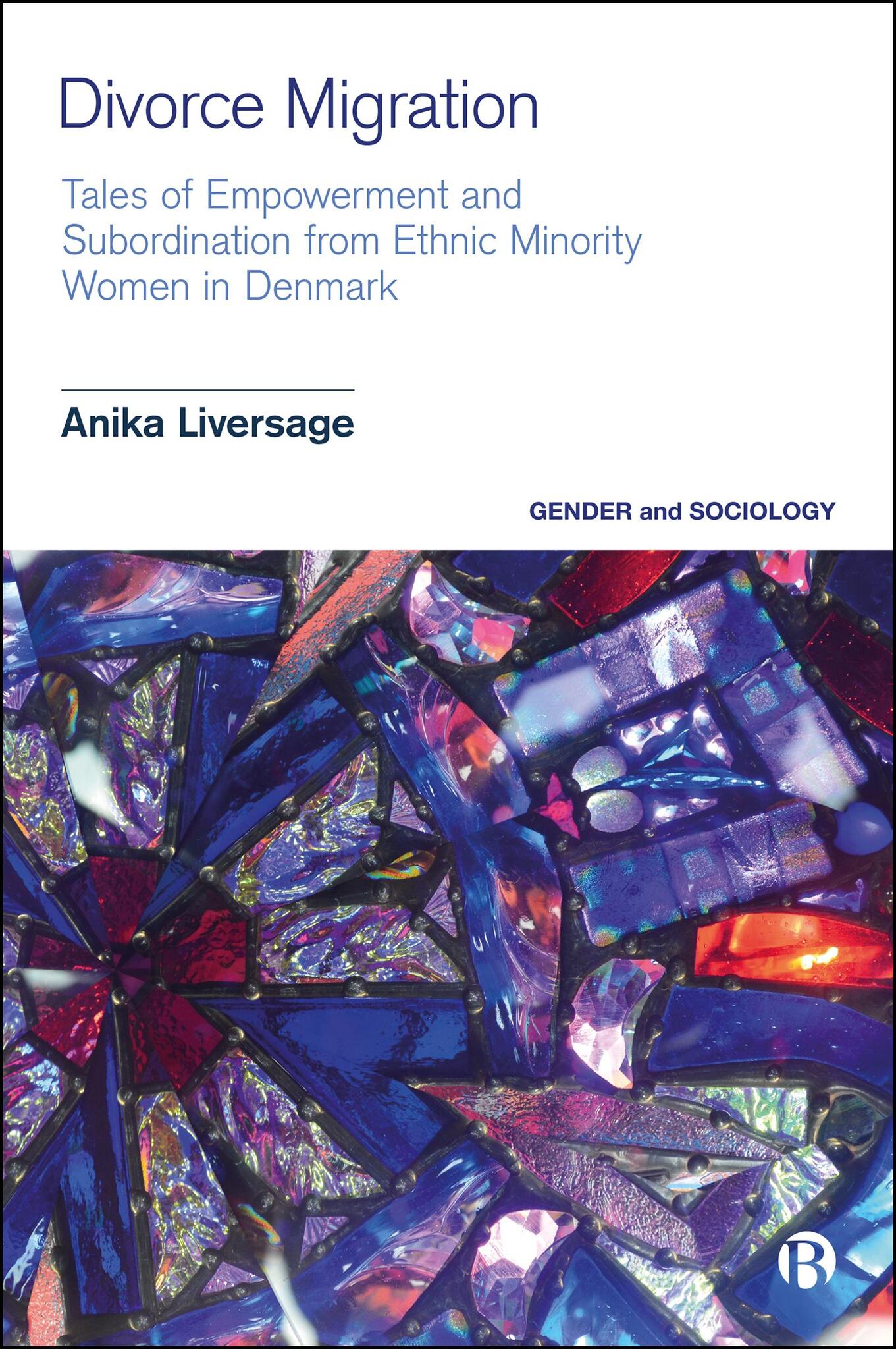
Focusing on women’s experiences of divorce among migrant communities from the Middle East and South Asia in Denmark, this book traces how gendered power operates across families, communities and state institutions.
Through rich first-person narratives, it reveals how migration can both reinforce and disrupt male dominance, while highlighting generational shifts, class dynamics and the evolving role of the welfare state. By bringing men’s and women’s voices into dialogue, the book offers a nuanced account of how individuals struggle to shape their lives within - and against - layered structures of constraint.
This is a compelling exploration of how migration reshapes power, agency and intimate life.


“Offers new insights on migration and integration through powerful life stories and groundbreaking analyses of how individuals traverse intersecting landscapes of family, education and states.” Margunn Bjørnholt, VID Specialized University
“This is a book based in an extraordinary body of data - 135 life history interviews with divorced migrant and ethnic minority women conducted over nearly 20 years, combined with supplementary interviews with men, children and professionals involved in such divorces. From this enormous set of qualitative data, Liversage skillfully draws out clear lines of argument around gender, agency, migration, family, community, education, religious institutions and - not least - the state, illustrated with powerful and evocative quotations from her interlocutors. An important contribution not just to the literature on ethnic minority divorce and transnational marriage, but to the study of gender and migration more generally.” Katharine Charsley, University of Bristol
1. Introduction
2. The (Danish) State
3. The Community
4. The Fathers
5. The Educational System
6. Welfare State Institutions
7. Struggles to Escape Nikah Captivity
8. The Male Perspective
9. Conclusion