


Some error occured while loading the Quick View. Please close the Quick View and try reloading the page.
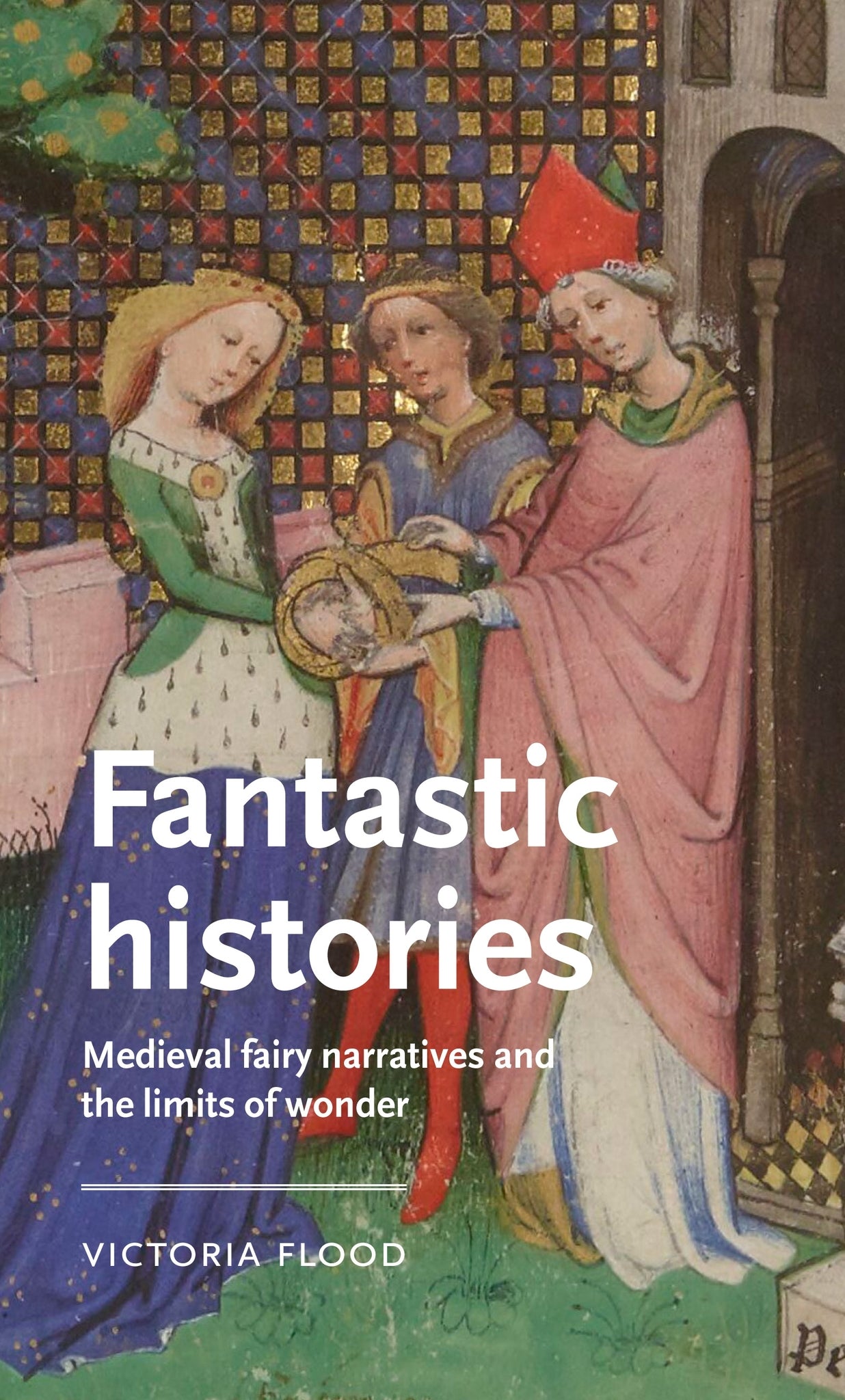


‘The dichotomies of truth and fiction, belief and make-believe have proved to be over-simplistic tools for the analysis of the stories of fairies embedded in the complex Latin histories and vernacular dynastic chronicles of the medieval period. Victoria Flood’s brilliant and thoughtful book teases out the different functions of such fairy narratives, revealing a range of subtle, often surprising implications and destabilising many longstanding assumptions about fairies in medieval culture.’
—Carolyne Larrington, Emerita Professor of medieval European literature, University of Oxford
‘This meticulously researched and carefully argued study explores the socio-cultural politics of history making and how some knowledges become privileged over others. This is a learned study that makes a significant contribution to scholarship. Moreover, the selection of texts and the connections established make this work indispensable reading for those interested in the Melusine romances.’
—Jan Shaw, Arthuriana
‘The boundary between history and romance is porous, and Flood shows how wonder has engaged productively with that boundary across centuries and languages.’
Sian Echard, Studies in the Age of Chaucer
'This is an impressively researched investigation that invites further studies in many different directions, covering medieval history, religion, and literature.'
Albrecht Classen, Mediaevistik
'Victoria Flood’s Fantastic Histories studies the figure of the fairy mother or fairy lover in a collection of Latin, English, and French texts from the twelfth through fifteenth centuries. Flood’s most basic claim is that “history intrudes” in romance, where romance is represented by fairy marvels (251). She shows in each chapter how marvels are used to pit more and less discerning groups against one another, and those discussions are among the book’s greatest strengths... There is a great deal of excellent material in the book, from clerics bickering about Avalon to the fairy legends surrounding Eleanor of Aquitaine.'
Michelle Karnes, Speculum
Introduction: fairies in history
1 ‘Historia fabulosa’: writing fairies in England and Wales
2 ‘Relatum ueridica’: wonderful history from Gervase of Tilbury to Philippe Mousket
3 ‘Le Noble hystoire’: romance and history in Jean d’Arras’s Mélusine
4 ‘En rime l’istoire’: vanishing history in Couldrette’s Mélusine and Richard Coer de Lyon
Conclusion: between history and romance
Index