


Some error occured while loading the Quick View. Please close the Quick View and try reloading the page.
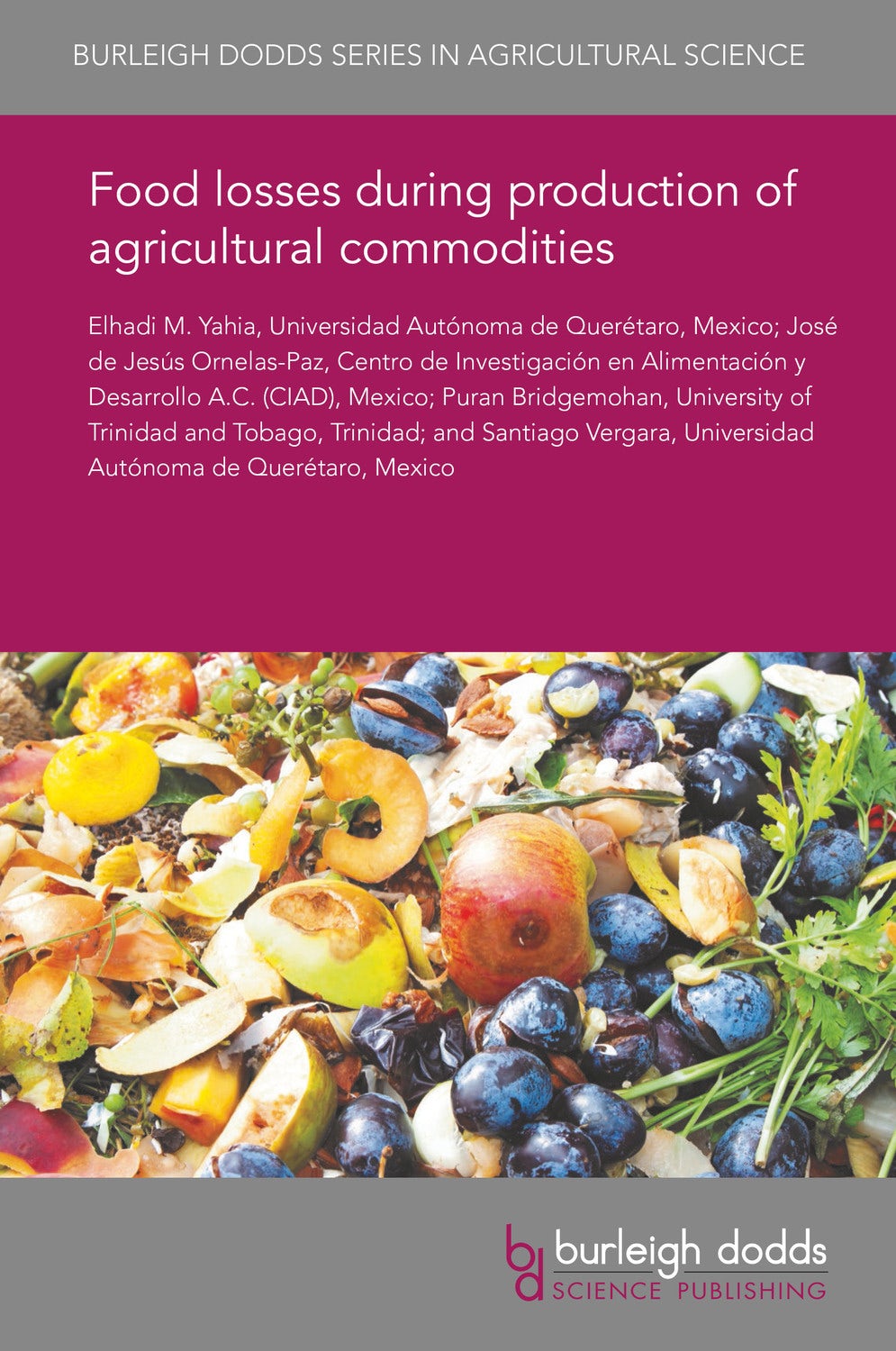
Preharvest quantitative and qualitative losses during the production of agricultural commodities are very significant, though less discussed than postharvest food losses and waste. This chapter explores the various causes of preharvest losses, estimates of their impact and measures to reduce them. The chapter explores the relative impact of crop genetics (e.g. cultivar), environmental factors (such as climate and weather), agronomic practices (such as plant fertilization and nutrition), diseases and insect pests. It also discusses the role of chemical treatments, particularly hormones and growth regulators, to optimize production and minimize losses.

Price: $32.50
Publisher: Burleigh Dodds Science Publishing
Imprint: Burleigh Dodds Science Publishing
Series: Burleigh Dodds Series in Agricultural Science
Publication Date:
23 March 2020
ISBN: 9781786766809
Format: eBook
BISACs:
TECHNOLOGY & ENGINEERING / Agriculture / Sustainable Agriculture, TECHNOLOGY & ENGINEERING / Agriculture / Agronomy / Crop Science, TECHNOLOGY & ENGINEERING / Food Science / Food Safety & Security, TECHNOLOGY & ENGINEERING / Agriculture / Organic

1 Introduction 2 Genetic factors as potential causes of preharvest losses 3 Environmental factors as causes of preharvest losses 4 Agronomic practices and preharvest losses 5 Diseases as a cause of preharvest losses 6 Insects and pests as a cause of preharvest losses 7 Chemical treatments to minimize preharvest losses 8 Conclusions 9 References