


Some error occured while loading the Quick View. Please close the Quick View and try reloading the page.
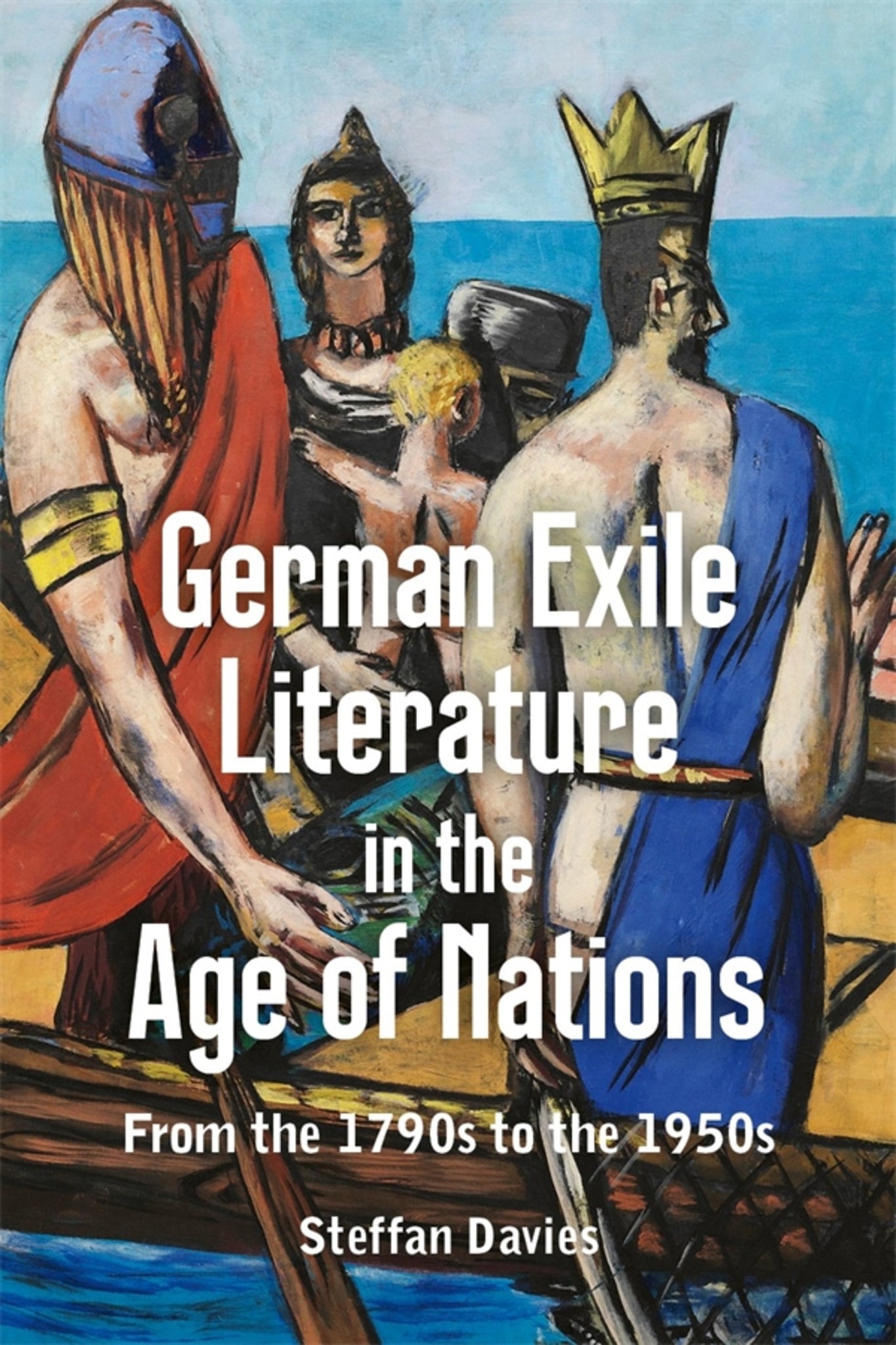
Extends the conception of German exile literature back from the Nazi period into the nineteenth century, arguing that exile has been a defining component of modern German writing.
German exile literature has classically been defined as the exile literature of the mid-twentieth century, and for good reason: exile was the fate of many of the most prominent German authors during Nazism, and led to some of their most important works. Far less attention has been given, however, to the exiles who were so often present in Germany's earlier history.
This book changes the understanding of German exile literature as a short, canonical period, arguing that exile is a defining component of modern German writing, experienced by many authors and imagined by others. It studies writing in exile and about exile from the French Revolution to the aftermath of the Second World War: from the invention of the modern nation-state, and of exclusion from that state, to the nation at its worst. It considers writers including Georg Forster, Schiller, Goethe, Hölderlin, Friedrich Schlegel, the Grimm brothers, Germaine de Staël, Heine, Storm, Raabe, Walter Mehring, Veza Canetti, and Döblin. This "long history" shows how national identity often begins outside the nation, and it emphasizes that the exile literature of 1933-1945 was never, in fact, a marginal literature or an exception.
German exile literature has classically been defined as the exile literature of the mid-twentieth century, and for good reason: exile was the fate of many of the most prominent German authors during Nazism, and led to some of their most important works. Far less attention has been given, however, to the exiles who were so often present in Germany's earlier history.
This book changes the understanding of German exile literature as a short, canonical period, arguing that exile is a defining component of modern German writing, experienced by many authors and imagined by others. It studies writing in exile and about exile from the French Revolution to the aftermath of the Second World War: from the invention of the modern nation-state, and of exclusion from that state, to the nation at its worst. It considers writers including Georg Forster, Schiller, Goethe, Hölderlin, Friedrich Schlegel, the Grimm brothers, Germaine de Staël, Heine, Storm, Raabe, Walter Mehring, Veza Canetti, and Döblin. This "long history" shows how national identity often begins outside the nation, and it emphasizes that the exile literature of 1933-1945 was never, in fact, a marginal literature or an exception.

Price: $130.00
Pages: 334
Publisher: Boydell & Brewer Inc.
Imprint: Camden House
Series: Studies in German Literature Linguistics and Culture
Publication Date:
14 April 2026
Trim Size: 9.00 X 6.00 in
ISBN: 9781640141247
Format: Hardcover
BISACs:
LITERARY CRITICISM / European / German, Literature: history and criticism, HISTORY / Europe / Germany, Biography: writers, Literary studies: fiction, novelists and prose writers

Introduction
Chapter 1: Revolution, Classicism, and Exile
Chapter 2: Romantic Exiles: Flight and Foundation
Chapter 3: Poets, Lovers, and Colonists: Heinrich Heine's Varieties of Exile
Chapter 4: Exile and Realism: The Representation of Reality after 1848
Chapter 5: Lost and Formed: Collections in Exile
Conclusion: Exile and Retrospect
Bibliography
Index
Chapter 1: Revolution, Classicism, and Exile
Chapter 2: Romantic Exiles: Flight and Foundation
Chapter 3: Poets, Lovers, and Colonists: Heinrich Heine's Varieties of Exile
Chapter 4: Exile and Realism: The Representation of Reality after 1848
Chapter 5: Lost and Formed: Collections in Exile
Conclusion: Exile and Retrospect
Bibliography
Index