


Some error occured while loading the Quick View. Please close the Quick View and try reloading the page.
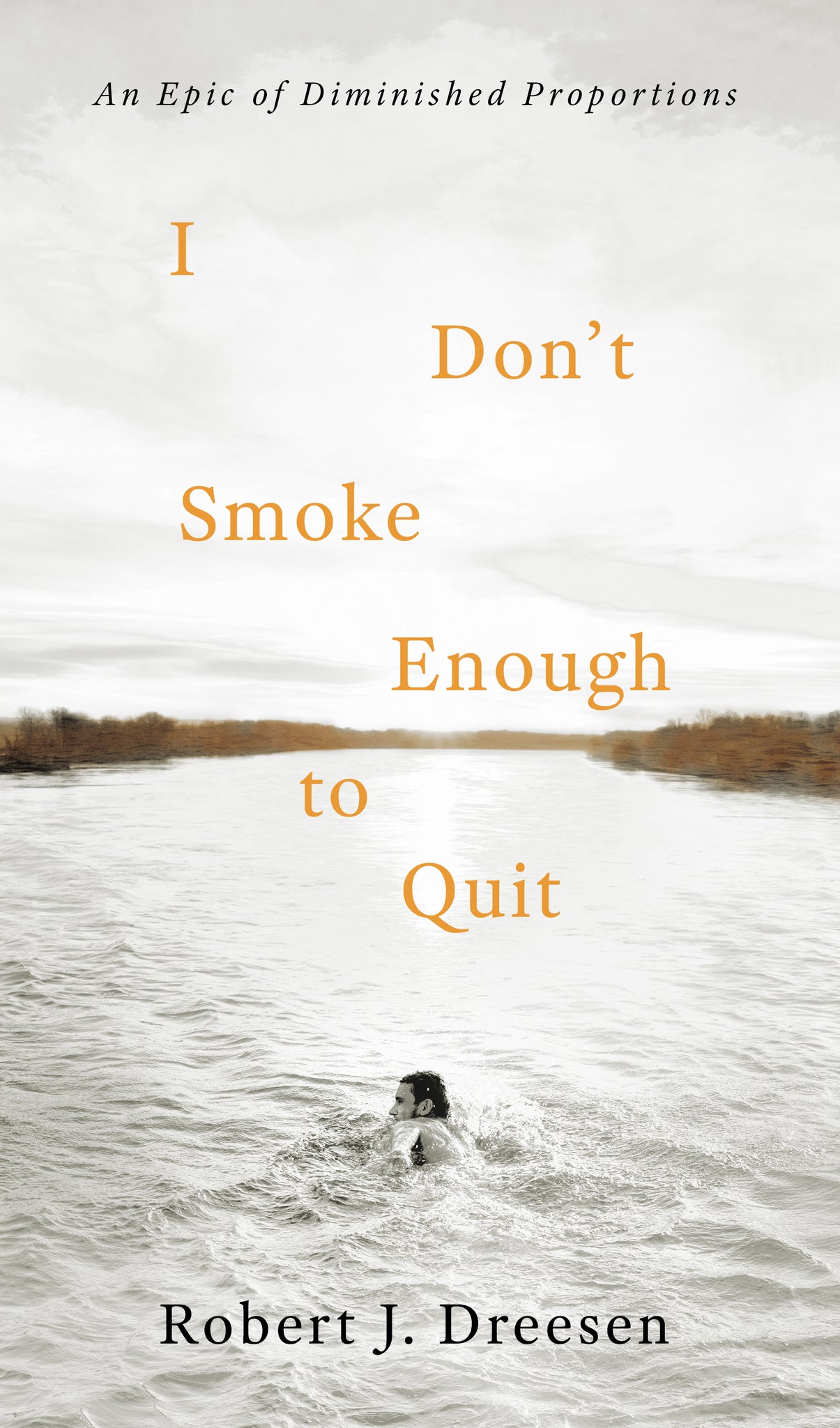
“Dreesen presents an unusual and welcoming memoir-in-verse, an epic colloquial journey through his childhood in a chaotic, eight-kid family as they ran a 24-hour highway truck stop and popular roadhouse in Nebraska. . . Dreesen expertly plays with language, cadence, texture, emotion, memory, and facts to impart the sense that all our knowledge is ‘second hand,’ full of miscomprehension of other people and their perceptions, and yet our experiences are precious, our stories illuminating.”—Booklist
"I’m still marveling at not only the artistry of this book, the playful erudition of it, the sheer entertainment of the storytelling, but also the life (harrowing and joyous) and place that inspired it. If that life wouldn't create a writer, I don't know what would. The details are terrific . . . Dreesen has captured a time and a place perfectly."—Ladette Randolph, Editor-in-chief, Ploughshares
“And what I’m about to tell you can’t be told
straight, so needs to be contained by form,
for the tale is messy and meandering,
if not downright weedy and windy
as all the characters who blew through our lives
back then and who we had to bend into,
grimacing and hunched over, holding hands
so as not to lose one another, sieve.”
In his imaginative memoir-in-verse, Robert Dreesen captures the stop-and-start rhythm of growing up in his family’s 24-hour truck stop and drinkin’ and dancin’ bar alongside the Pan-American Highway in northeastern Nebraska. In a life that can be described as picaresque, Kenny, Rose, and their eight kids make their way through a world rich with farmers and ranchers, writers and painters, drunks and ne’er-do-wells, horses and dogs, imagined visits from poet-sages, insufficient money (but not poverty), fights, siblings, honor, booze, and the Missouri River.


“Dreesen presents an unusual and welcoming memoir-in-verse, an epic colloquial journey through his childhood in a chaotic, eight-kid family as they ran a 24-hour highway truck stop and popular roadhouse in Nebraska. Dreesen portrays the intriguing characters they met as well as the characters they became . . . Dreesen expertly plays with language, cadence, texture, emotion, memory, and facts to impart the sense that all our knowledge is ‘second hand,’ full of miscomprehension of other people and their perceptions, and yet our experiences are precious, our stories illuminating.”—Booklist on I Don't Smoke Enough to Quit
"I’m still marveling at not only the artistry of this book, the playful erudition of it, the sheer entertainment of the storytelling, but also the life (harrowing and joyous) and place that inspired it. If that life wouldn't create a writer, I don't know what would. The details are terrific . . . Dreesen has captured a time and a place perfectly."—Ladette Randolph, Editor-in-chief, Ploughshares on I Don't Smoke Enough to Quit
"The poems in Robert Dreesen’s I Don't Smoke Enough to Quit may be set in a truck stop bar but its ‘cricks’ are deep, concealing the poet’s family’s loving reticence—‘for anything declared might be taken away’—with raucous living. Dreesen, for whom two pianos in the room resembled ‘two horses in the pasture resting heads on one another’s rumps,’ carries this blank verse tribute to his father from ‘engine whisperers’ to ‘a one-legged man in an ass-kicking contest.’ I Don't Smoke Enough to Quit tells a sad, sure story with a wallop of an ending.”—Terese Svoboda, author of Black Glasses Like Clark Kent on I Don't Smoke Enough to Quit
"Robert Dreesen’s debut chapbook titled 20th Century Tool Shed constructs a narrative that simmers as he chisels a penetrating commentary on the modern world. With dexterity, Dreesen creates precise poems that matter to us, where 'The Shovel is willful, / God of the Old Testament / before he ‘got religion.’ ' These poems are full and contain sharp insights into ourselves and our histories."—Michael Catherwood, author of Projector on 20th Century Tool Shed