


Some error occured while loading the Quick View. Please close the Quick View and try reloading the page.
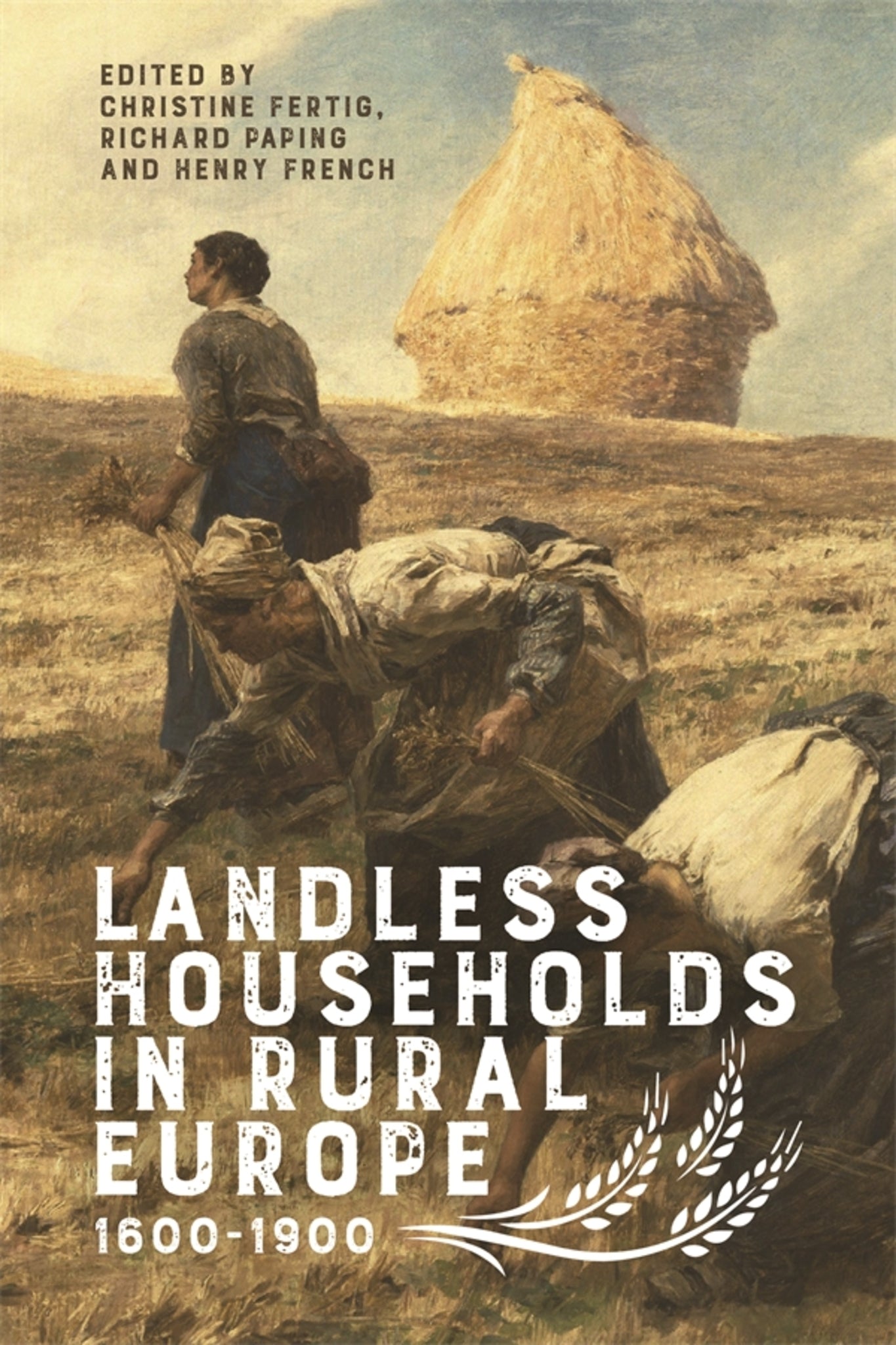
First comparative study of landless households brings out their major role in European history and society.
The numbers of landless people - those lacking formal rights to land, or possessing only tiny smallholdings - grew rapidly across post-medieval Europe, as rural population and economic growth divided landowners and farmers from (increasingly) landless rural workers. But they have hitherto been relatively neglected, a gap which this volume, covering Scandinavia, Germany, Austria, Netherlands, Belgium, Britain, France and Spain from the sixteenth to the early twentieth centuries, aims to fill, making creative use of a diverse range of unexplored sources. Instead of concentrating on the well-documented cases of landholding peasants, it explores the many different experiences of the numerous rural landless. It explains how their households were formed (often in the face of economic difficulties and official hostility), how all the members of a family contributed to its survival, how the landless related to other social groups and negotiated access to vital resources, and how they adapted as rural society was changed by war, politics, agrarian and industrial development, government policy and welfare systems.
Contributors: Arnau Barquer i Cerdà, John Broad, ⴕ Dieter Bruneel, Christine Fertig, Henry French, Margareth Lanzinger, Jonas Lindström, Riikka Miettinen, Richard Paping, Wouter Ronsijn, Merja Uotila, Nadine Vivier
The numbers of landless people - those lacking formal rights to land, or possessing only tiny smallholdings - grew rapidly across post-medieval Europe, as rural population and economic growth divided landowners and farmers from (increasingly) landless rural workers. But they have hitherto been relatively neglected, a gap which this volume, covering Scandinavia, Germany, Austria, Netherlands, Belgium, Britain, France and Spain from the sixteenth to the early twentieth centuries, aims to fill, making creative use of a diverse range of unexplored sources. Instead of concentrating on the well-documented cases of landholding peasants, it explores the many different experiences of the numerous rural landless. It explains how their households were formed (often in the face of economic difficulties and official hostility), how all the members of a family contributed to its survival, how the landless related to other social groups and negotiated access to vital resources, and how they adapted as rural society was changed by war, politics, agrarian and industrial development, government policy and welfare systems.
Contributors: Arnau Barquer i Cerdà, John Broad, ⴕ Dieter Bruneel, Christine Fertig, Henry French, Margareth Lanzinger, Jonas Lindström, Riikka Miettinen, Richard Paping, Wouter Ronsijn, Merja Uotila, Nadine Vivier

Price: $125.00
Pages: 350
Publisher: Boydell & Brewer Inc.
Imprint: Boydell Press
Series: Boydell Studies in Rural History
Publication Date:
19 July 2022
Trim Size: 9.21 X 6.14 in
ISBN: 9781783277223
Format: Hardcover
BISACs:
HISTORY / Modern / 17th Century, General and world history, HISTORY / Europe / Medieval, SOCIAL SCIENCE / Sociology / Social Theory, European history: medieval period, middle ages

Introduction
- Christine Fertig, Richard Paping & Henry French
1. The treballadors of Girona: evidence of the emergence of wage labour in early modern Catalonia (16th and 17th centuries)
- Arnau Barquer i Cerdà
2. The squatter economy of the English countryside - building new landless communities in England c. 1600-1900
- John Broad
3. The rise of landless households in the Dutch countryside c. 1600-1900
- Richard Paping
4. 'Gaining ground' in Flanders after the 1840s: access to land and the coping mechanisms of landless and semi-landless households, c. 1850-1900
- Wouter Ronsijn
5. Strategies of survival, landlessness, and forest settlement in Flanders: the Forest of Houthulst in a changing landscape of survival (c. 1500-1900)
- † Dieter Bruneel
6. Landless and pauper households in England c. 1760-1835: A comparison of two southern English rural communities
- Henry French
7. Landless rural households in France 1852-1910
- Nadine Vivier
8. Survival in a hostile agrarian regime: non-landed households in seventeenth-century Sweden and Finland
- Riikka Miettinen & Jonas Lindström
9. Farming craftsmen? Access to land and the socio-economic position of rural artisans in early modern Finland
- Merja Uotila
10. Landlessness and marriage restrictions: Tyrol and Vorarlberg in the eighteenth and nineteenth centuries
- Margareth Lanzinger
11. Cottages, barns and bake houses: Landless rural households in North-western Germany in the eighteenth century
- Christine Fertig
- Christine Fertig, Richard Paping & Henry French
1. The treballadors of Girona: evidence of the emergence of wage labour in early modern Catalonia (16th and 17th centuries)
- Arnau Barquer i Cerdà
2. The squatter economy of the English countryside - building new landless communities in England c. 1600-1900
- John Broad
3. The rise of landless households in the Dutch countryside c. 1600-1900
- Richard Paping
4. 'Gaining ground' in Flanders after the 1840s: access to land and the coping mechanisms of landless and semi-landless households, c. 1850-1900
- Wouter Ronsijn
5. Strategies of survival, landlessness, and forest settlement in Flanders: the Forest of Houthulst in a changing landscape of survival (c. 1500-1900)
- † Dieter Bruneel
6. Landless and pauper households in England c. 1760-1835: A comparison of two southern English rural communities
- Henry French
7. Landless rural households in France 1852-1910
- Nadine Vivier
8. Survival in a hostile agrarian regime: non-landed households in seventeenth-century Sweden and Finland
- Riikka Miettinen & Jonas Lindström
9. Farming craftsmen? Access to land and the socio-economic position of rural artisans in early modern Finland
- Merja Uotila
10. Landlessness and marriage restrictions: Tyrol and Vorarlberg in the eighteenth and nineteenth centuries
- Margareth Lanzinger
11. Cottages, barns and bake houses: Landless rural households in North-western Germany in the eighteenth century
- Christine Fertig