


Some error occured while loading the Quick View. Please close the Quick View and try reloading the page.
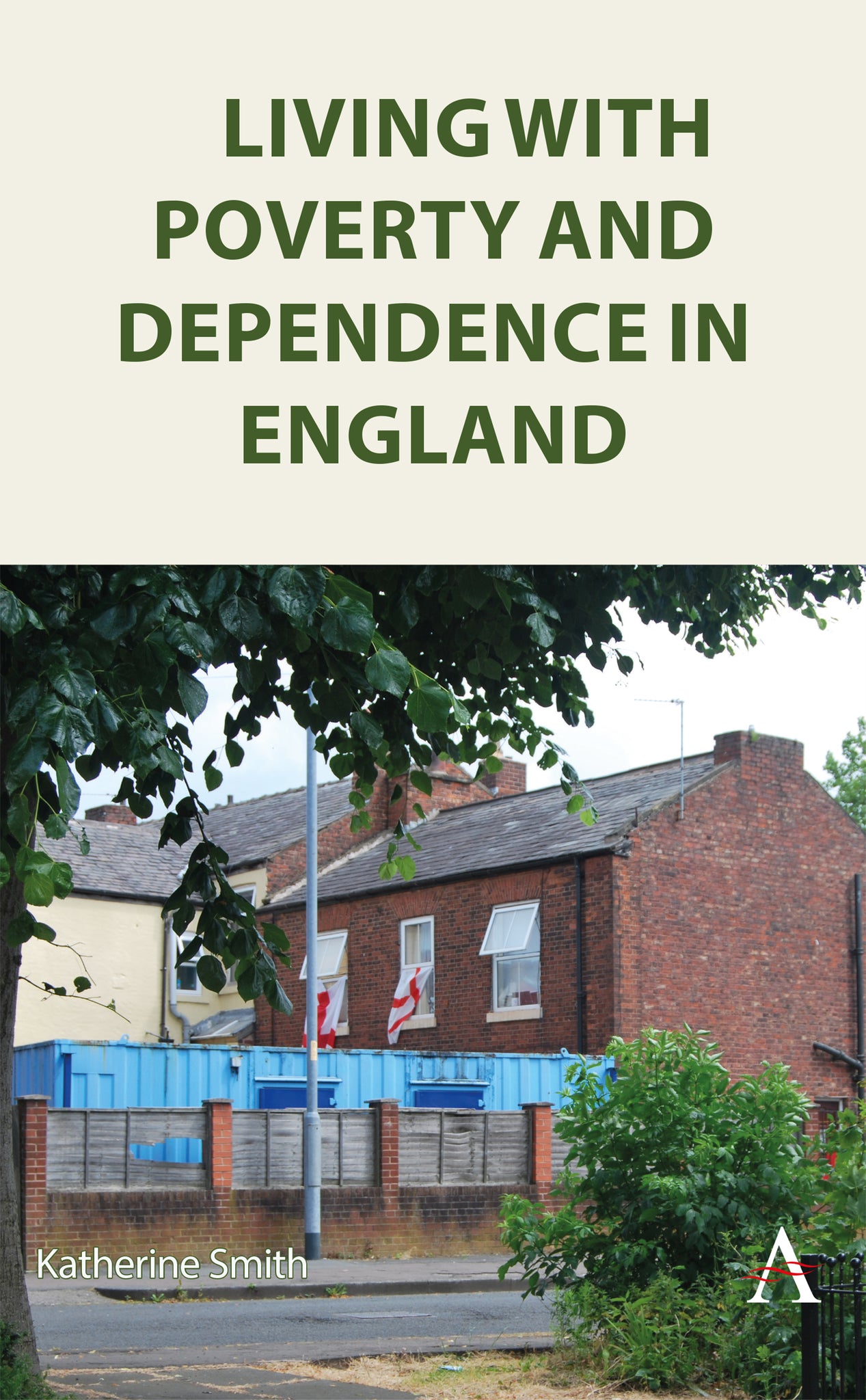
The book is based on nearly a decade (2011–2020) of sustained ethnographic research within and across households in Harpurhey, North Manchester, England. Harpurhey is a suburban area in Manchester, located just three and a half miles northeast of the city centre. This book interrogates the everyday lives of people in Harpurhey ethnographically, placing their lives and agency at the centre of analysis. It explores the everyday lives of people who live with poverty and are rely upon state welfare support to make ends meet. Analytically, the arguments in this book begin by making a distinction between the production of poverty as a political, economic and ideological effect of capitalist processes and state activity, and the everyday, mundane choices and behaviours of the people who manage those effects (cf. Goode and Maskovsky 2001). Each chapter shows what may be concealed and revealed in interpersonal relationships between people living with poverty and in multiple interdependencies.


‘A theoretically sophisticated yet accessible account, Living with Poverty and Dependence offers valuable ethnographic insight into interdependence, kinship and moral reasoning in post-Brexit Britain. It is a significant contribution to the contemporary anthropology of the UK. It will resonate across disciplines and is ideally suited both for teaching and as a resource for future research.’ —Keir Martin, Professor of Social Anthropology, University of Oslo, Norway.
Dr Katherine Smith is Lecturer in Social Anthropology at the University of Manchester. She is author of Fairness, Class and Belonging in Contemporary England (2012) and co-editor of Extraordinary Encounters: Authenticity and the Interview (2015).
Acknowledgements; Introduction: Poverty and Dependence in a Post-Welfare Landscape; 1. Casualties of Equivalence; 2. Talking Money in Harpurhey; 3. The Architects of Ruins; 4. Labours of Care and the Temporalities of Interdependence; 5. Brexit¹ and the Desire for an Apolitical Life; Conclusion: Beyond Relations of Interdependence; Bibliography; Index