


Some error occured while loading the Quick View. Please close the Quick View and try reloading the page.
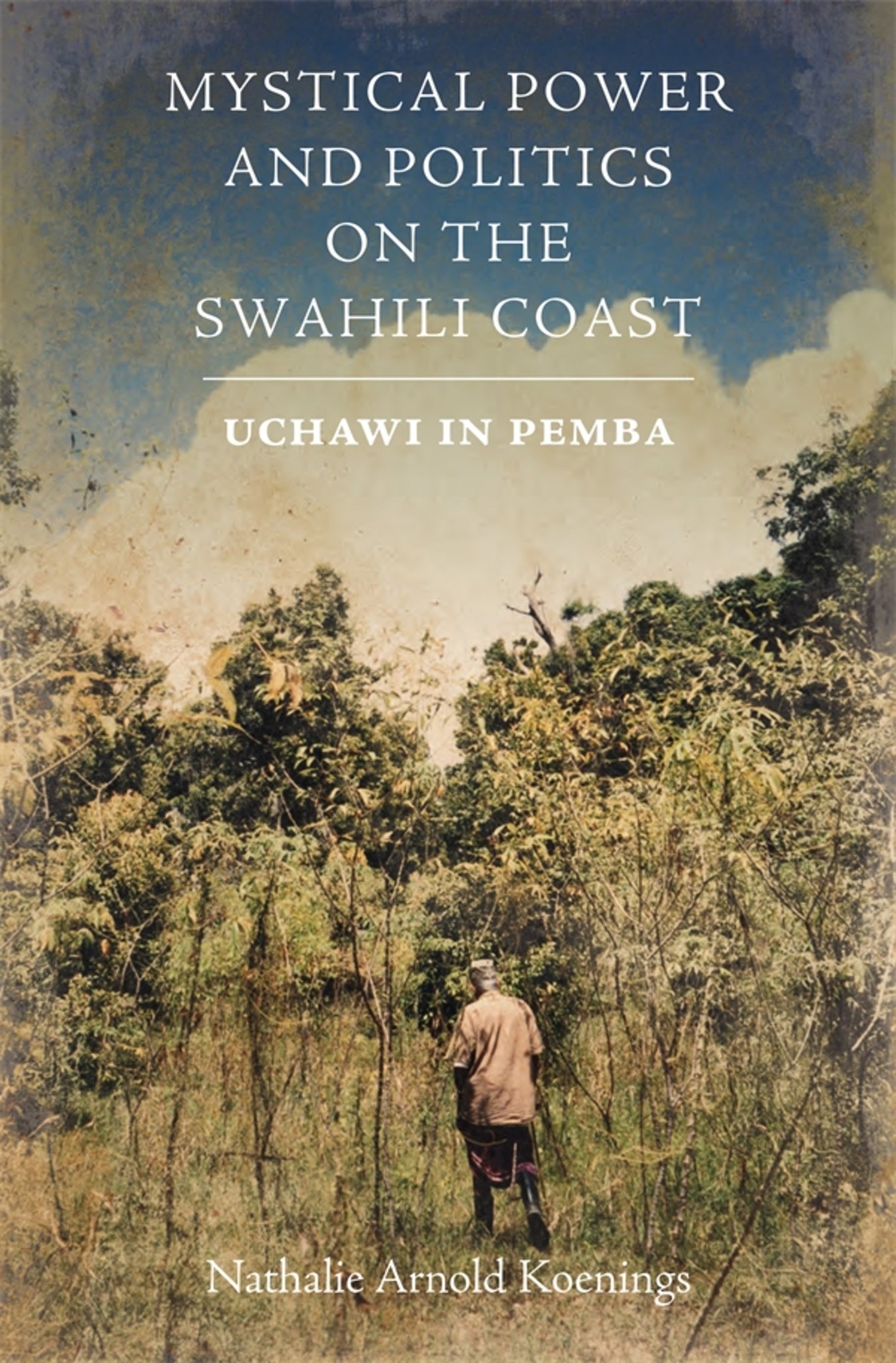
For two centuries, Pemba, the second largest island of Zanzibar, has been known by East Africans and outsiders alike as rich in dangerous knowledge. Despite Pembans' reputation for piety and deep Islamic knowledge,uchawi- 'mystical work and power', sometimes termed 'magic', 'witchcraft', or 'sorcery' - has long featured in diverse visions of their identity and as key to worldly power. Today, as traditional methods of securing agency are called into question and new ways proliferate, the mystical world is an intensely conflicted realm where the nature of power, ethical action, and reality itself is continually reframed.
This luminous ethnography follows Pemban notions of invisible and worldly power through the Zanzibar Revolution of 1964, the trials of multiparty democracy, the rise of Islamic revival, and intensifying neoliberalism. Through an exploration of rural imaginings of power, it argues that nations and the grammars that underwrite them are arguably made in and by their peripheries, which give 'the centre' shape. Highlighting the intersections of mystical practices, religion, and politics-as-such on the Swahili Coast, the book contributes new perspectives to studies of the imagination, power, and religious transformation in Africa, the Indian Ocean, and the larger Islamic world.
This luminous ethnography follows Pemban notions of invisible and worldly power through the Zanzibar Revolution of 1964, the trials of multiparty democracy, the rise of Islamic revival, and intensifying neoliberalism. Through an exploration of rural imaginings of power, it argues that nations and the grammars that underwrite them are arguably made in and by their peripheries, which give 'the centre' shape. Highlighting the intersections of mystical practices, religion, and politics-as-such on the Swahili Coast, the book contributes new perspectives to studies of the imagination, power, and religious transformation in Africa, the Indian Ocean, and the larger Islamic world.

Price: $125.00
Pages: 304
Publisher: Boydell & Brewer Inc.
Imprint: James Currey
Publication Date:
25 June 2024
Trim Size: 9.21 X 6.14 in
ISBN: 9781847013842
Format: Hardcover
BISACs:
POLITICAL SCIENCE / Religion, Politics & State, Religion and politics, RELIGION / Ethnic & Tribal, SOCIAL SCIENCE / Anthropology / Cultural & Social, HISTORY / Africa / East, Religious and theocratic ideologies

Introduction
PART I POWER
1. Kichawi dogsand Colonial Thinking
2. Ordinary Sorcery: The First Four Rooms of Uchawi's House
3. 'We Come to You Only as a Test': Uganga in Uchawi
4. The Sixth and Seventh Rooms: From Righteous Flight to Giving Lives in Turn
5. Uchawi as it Was: Power, Humour, Agony
PART 2 CRISIS
6. Revolution: Political Change and Mystical Authority
7. The Poetics of Loss: Hunger, Commodification, and the Withdrawal of Magic Books
PART 3 TRANSFORMATIONS
8. Emergenc(i)es: Politics and the Unseen
9. Islamic Revival, Dividing Jinns, and the New Uchawi
Conclusion: Locating Pemba Today
PART I POWER
1. Kichawi dogsand Colonial Thinking
2. Ordinary Sorcery: The First Four Rooms of Uchawi's House
3. 'We Come to You Only as a Test': Uganga in Uchawi
4. The Sixth and Seventh Rooms: From Righteous Flight to Giving Lives in Turn
5. Uchawi as it Was: Power, Humour, Agony
PART 2 CRISIS
6. Revolution: Political Change and Mystical Authority
7. The Poetics of Loss: Hunger, Commodification, and the Withdrawal of Magic Books
PART 3 TRANSFORMATIONS
8. Emergenc(i)es: Politics and the Unseen
9. Islamic Revival, Dividing Jinns, and the New Uchawi
Conclusion: Locating Pemba Today