


Some error occured while loading the Quick View. Please close the Quick View and try reloading the page.
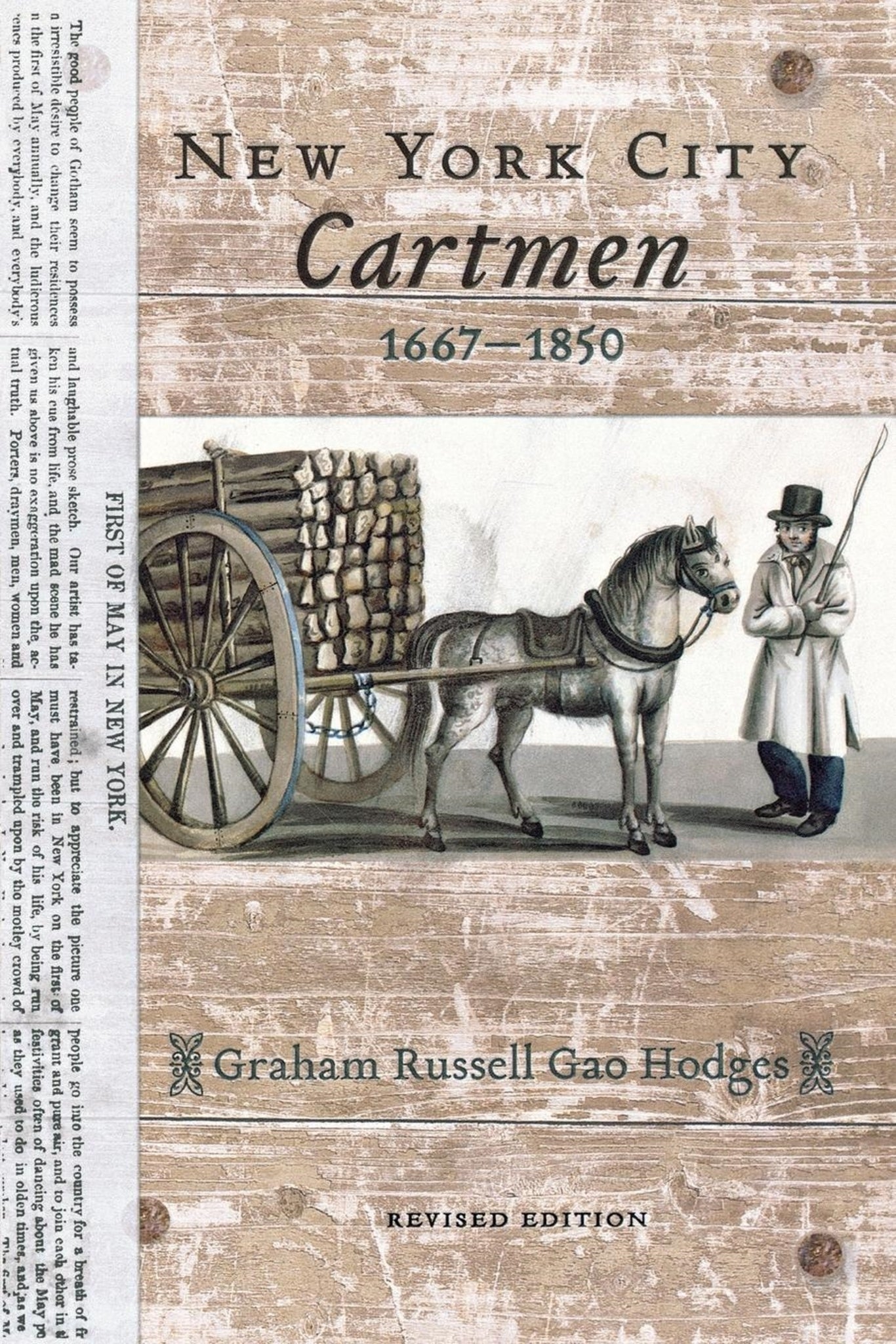
The cartmen—unskilled workers who hauled goods on one horsecarts—were perhaps the most important labor group in early American cities. The forerunners of the Teamsters Union, these white-frocked laborers moved almost all of the nation’s possessions, touching the lives of virtually every American. New York City Cartmen, 1667–1850 tells the story of this vital group of laborers. Besides documenting the cartmen’s history, the book also demonstrates the tremendous impact of government intervention into the American economy via the creation of labor laws.
The cartmen possessed a hard-nosed political awareness, and because they transported essential goods, they achieved a status in New York City far above their skills or financial worth. Civic support and discrimination helped the cartmen create a community all their own. The cartmen's culture and their relationship with New York's municipal government are the direct ancestors of the city's fabled taxicab drivers.
But this book is about the city itself. It is a stirring street-level account of the growth of New York, growth made possible by the efforts of the cartmen and other unskilled laborers. Containing 23 black-and-white illustrations, New York City Cartmen is informative reading for social, urban, and labor historians.


— Gary B. Nash,Professor of History, UCLA