


Some error occured while loading the Quick View. Please close the Quick View and try reloading the page.
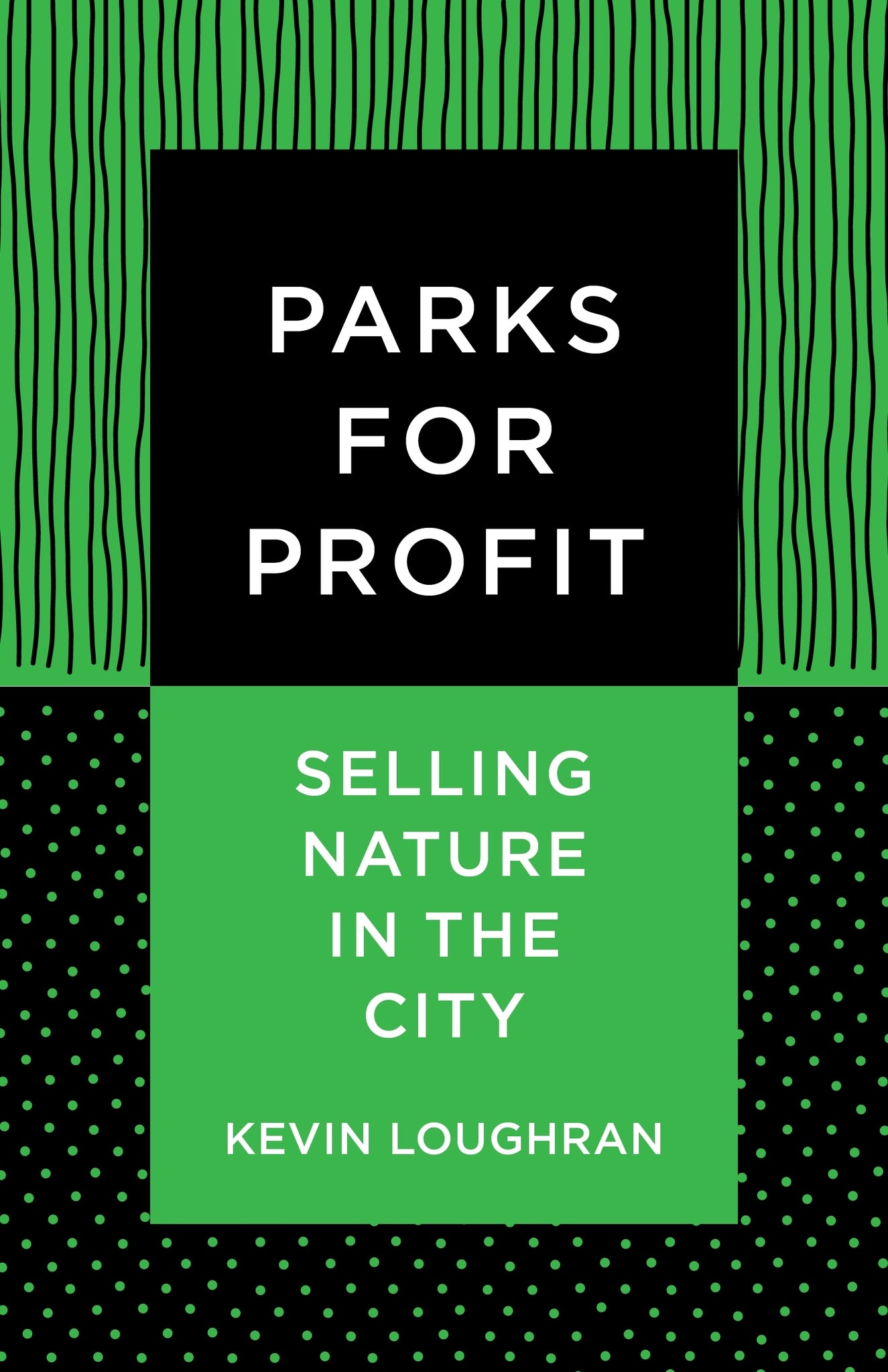
A new kind of city park has emerged in the early twenty-first century. Postindustrial parks transform the derelict remnants of an urban past into distinctive public spaces that meld repurposed infrastructure, wild-looking green space, and landscape architecture. For their proponents, they present an opportunity to turn disused areas into neighborhood anchors, with a host of environmental and community benefits. Yet there are clear economic motives as well—successful parks have helped generate billions of dollars of city tax revenues and real estate development.
Kevin Loughran explores the High Line in New York, the Bloomingdale Trail/606 in Chicago, and Buffalo Bayou Park in Houston to offer a critical perspective on the rise of the postindustrial park. He reveals how elites deploy the popularity and seemingly benign nature of parks to achieve their cultural, political, and economic goals. As urban economies have become restructured around finance, real estate, tourism, and cultural consumption, parks serve as civic shields for elite-oriented investment. Tracing changing ideas about cities and nature and underscoring the centrality of race and class, Loughran argues that postindustrial parks aestheticize past disinvestment while serving as green engines of gentrification.
A wide-ranging investigation of the political, cultural, and economic forces shaping park development, Parks for Profit reveals the social inequalities at the heart of today’s new urban landscape.


— Eric Klinenberg, author of Palaces for the People: How Social Infrastructure Can Help Fight Inequality, Polarization, and the Decline of Civic Life
Kevin Loughran's Parks for Profit is a beautifully written, carefully researched study of the role of green spaces in contemporary urban economic redevelopment. Loughran's richly textured and engaging book takes the reader to New York, Chicago, and Houston, demonstrating how cities reinvent their industrial pasts to serve tourists' and affluent urbanites' desire for green amenities. Parks for Profit powerfully reveals how planners and landscape architects rely on the urban industrial past to create postindustrial spaces that appeal to a new class of urban dwellers and visitors. Deeply attentive to the past, present, and future, Loughran reveals how histories of urban disinvestment, deindustrialization, White flight, and, more recently, gentrification, drive the emergence of new parks. Parks for Profit will productively challenge preconceived notions about the High Line and other new urban green spaces, and will sharpen understandings of how and why cities alter the material and cultural landscape. Loughran's book is a must-read for students of culture, urbanism, nature, and urban economies, providing a powerful example of the utility of multi-sited research and of the value of historically informed analyses of contemporary dynamics.
— Japonica Brown-Saracino, author of A Neighborhood That Never Changes: Gentrification, Social Preservation, and the Search for Authenticity
Parks for Profit asks how a generation of refurbished parks change and re-valorize the picturesque framing of nature by imagining a union of wild nature and the postindustrial landscape, and, in doing so, gives a sense of the whole park, not merely its use or its financing or construction. The manuscript’s insightful and thoughtful analysis of the parks is valuable and even lyrical. Rarely is a book of urban sociology so well written, and rarely does it stand on the merits of the author’s insights.
— Gregory Smithsimon, author of Cause: ... And How It Doesn't Always Equal Effect
How do you turn a weeded rail and disused viaduct into a celebrated garden, and then turn the garden into a growth machine, and why does it matter? From New York, to Chicago, to Houston, private corporations have turned spaces that were unused by the right kind of people into restoration projects, sprouting high end businesses and economic growth. While city boosters call these public-private partnerships win-win solutions, Parks for Profits shows us just who the losers are. Not just those who get left, or pushed, out, but also anyone who cares about the things we should all share. Parks for Profit points to what’s gone wrong and how the wrongs can be made right. An important intervention.
— Frederick F. Wherry, Princeton University
A timely counterargument to the urban cheerleading that promotes this model of privately funded showstopper spaces.
At its best, Parks for Profit illuminates the disconnect between the way these projects were sold to the public with the thrill of exciting new public spaces and the gentrifying impact they had on their surrounding areas.
The work is so well researched and considered.
Incredibly engaging and well written, moving easily from one case to the next. Students and practitioners of urban sociology, environmental design, planning, and political science will find much wisdom in these pages, as will anyone with an interest in parks, urban planning, or revitalization.
A good book that will be of useful to sociologists, urban geographers, planners, and park historians, as well as lay people interested in these subjects.
Serves as important contribution to ongoing discussions of urban redevelopment, social constructions of space that are rooted in aesthetic and ideological frameworks, and who ultimately has access to leisure in the public sphere.
Acknowledgments
I. Introduction
1. Sometime in 2009
2. Varieties of Urban Crisis: New York, Chicago, Houston
II. Growth Machines in the Garden
3. “The Yuppie Express”
4. “No More Bake Sales, Man”
5. “A Piece of Crud”
6. Parks for Profit or for People?
III. Gardens in the Machine
7. Defective Landscapes
8. Imbricated Spaces
9. Constructing Environmental Authenticity
10. Spatial Practices and Social Control
IV. Conclusion
11. After the High Line
12. Abolish, Decolonize, Rot: Three Proposals for Parks Equity
Notes
References
Index