


Some error occured while loading the Quick View. Please close the Quick View and try reloading the page.
What role does emotion play in child and family social work practice?
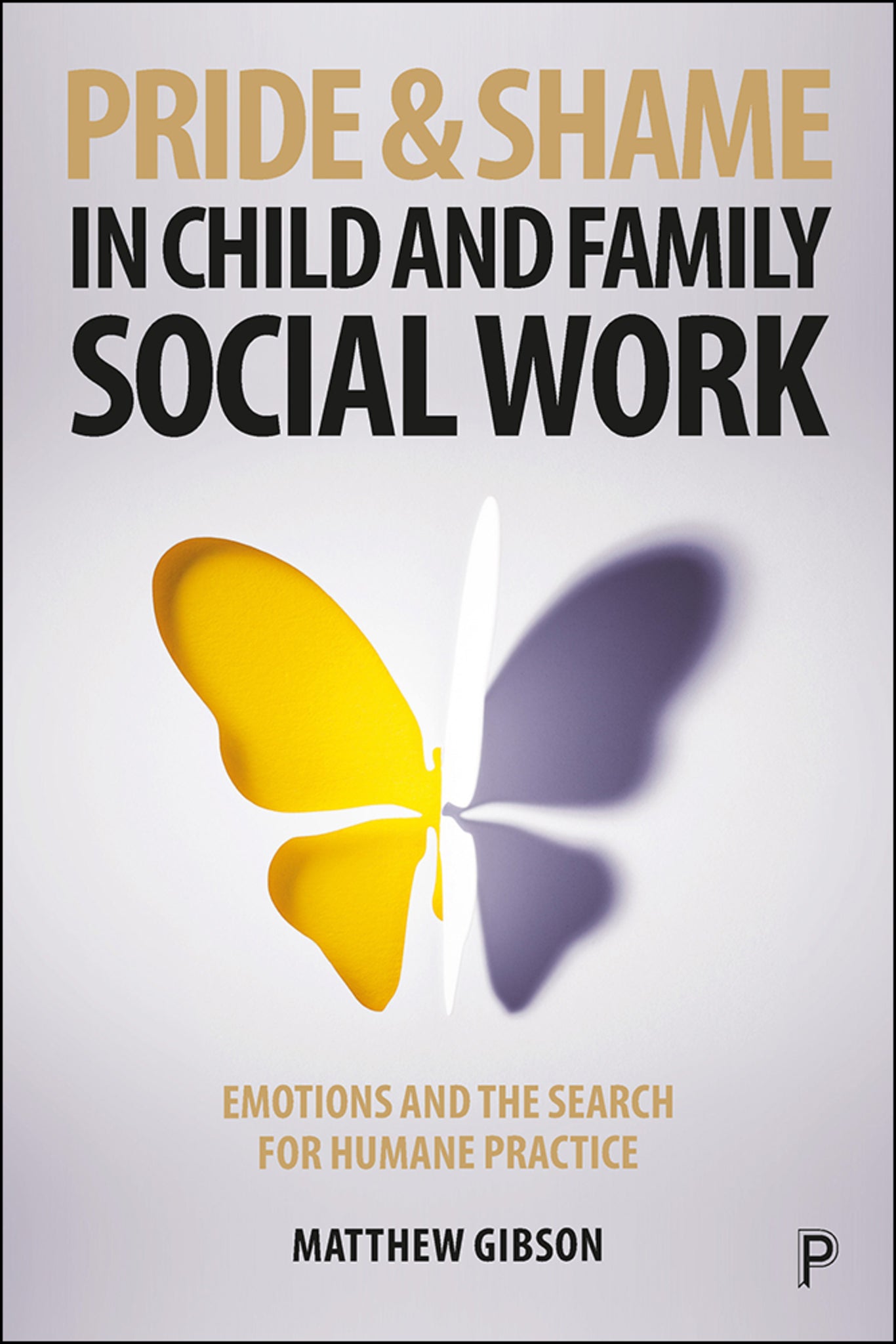
In this book, researcher Matthew Gibson reviews the role of shame and pride in social work, providing invaluable new insights from the first study undertaken into the role of these emotions within professional practice. The author demonstrates how these emotions, which are embedded within the very structures of society but experienced as individual phenomena, are used as mechanism of control in relation to both professionals themselves and service users.
Examining the implications of these emotional experiences in the context of professional practice and the relationship between the individual, the family and the state, the book calls for a more humane form of practice, rooted in more informed policies that take in to consideration the realities and frailties of the human experience.


Chapter 1: Introduction;
Chapter 2: Conceptualising pride, shame, guilt, humiliation and embarrassment;
Chapter 3: Pride and shame in the creation of child and family social work;
Chapter 4: Pride and shame in the creation of the ‘appropriate’ organisation;
Chapter 5: Pride and shame in the creation of the ‘appropriate’ professional;
Chapter 6: Theorising social workers’ experiences of self‑conscious emotions;
Chapter 7: Forms of identification: a case example;
Chapter 8: Forms of resistance: a case example;
Chapter 9: Conclusions;
Appendix 1: Theoretical foundations of the study;
Appendix 2: Theoretical codes.