


Some error occured while loading the Quick View. Please close the Quick View and try reloading the page.
This publication was supported by funds from the Publication Fund for Open Access Monographs of the Federal State of Brandenburg, Germany.
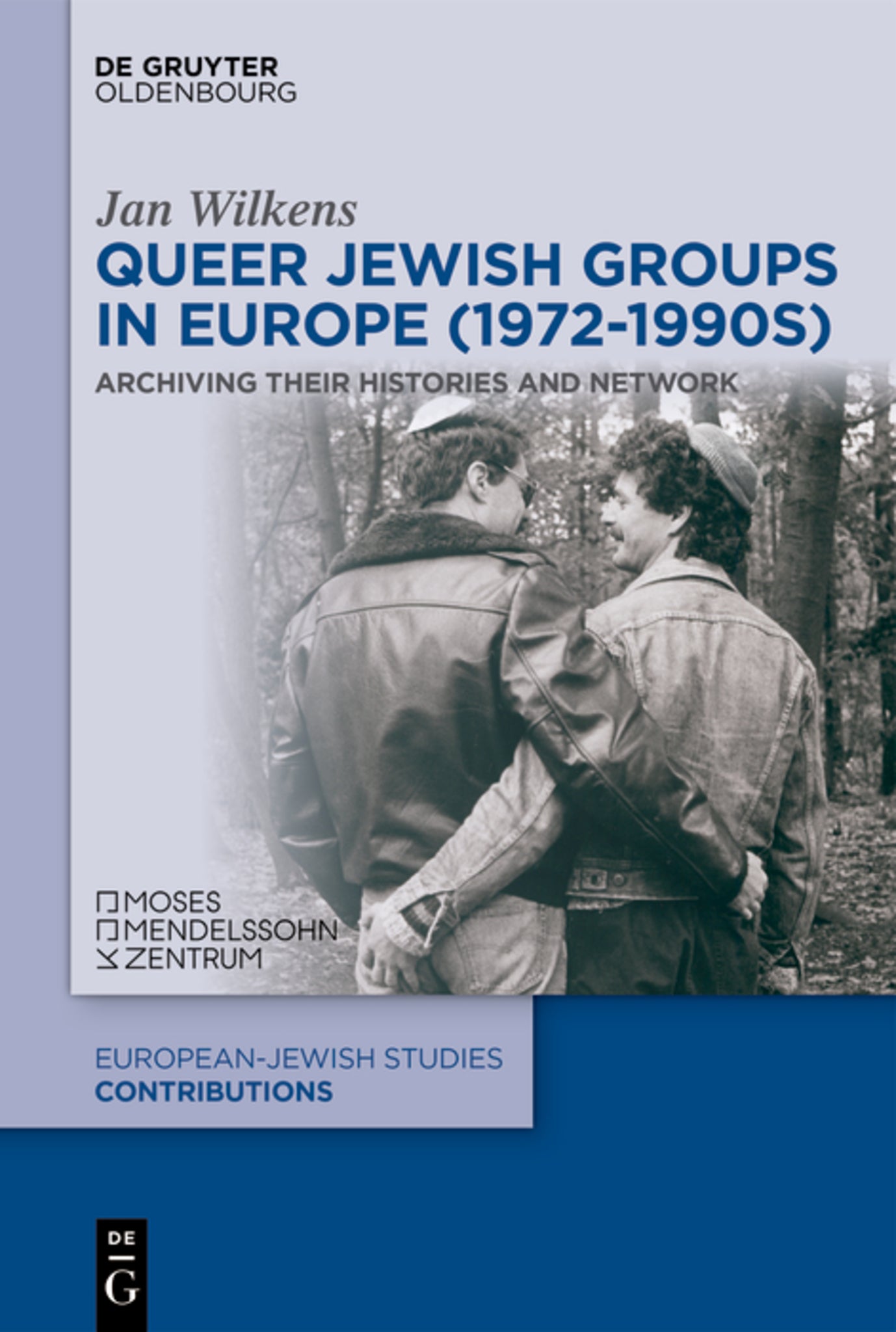
In the 1970s, queer Jews became excited by the developments of the Gay Liberation Movement in both the US and Europe. Until then, they were not able to express their queerness in Jewish communities and hoped for new inclusive spaces. Yet, they quickly realized that the movement was not as welcoming as anticipated. Thus, they started to organize: in February 1972, the world’s first queer Jewish group became publicly visible in London with its symposium "The Jewish Homosexual in Society." The Jewish Gay Group began tackling the exclusion of non-heteronormative Jews in British Jewish and queer communities. Soon after, two more queer Jewish groups formed: Beit Haverim ("House of Friends") in Paris and Sjalhomo (a neologism of "shalom" and "homosexual") in Amsterdam. Besides their goal of emancipation, these groups brought together their members based on shared experiences as both Jewish and queer, opening up much needed spaces for social encounters. The groups also established a Europe-wide support network that enabled international collaboration for more than a decade. This study archives these groups’ histories and that of their network. By doing so, it broadens prevalent narratives of Europe’s post-World War II Jewry and queers the discipline of Jewish History.


Jan Wilkens, Potsdam University, Germany.