


Some error occured while loading the Quick View. Please close the Quick View and try reloading the page.
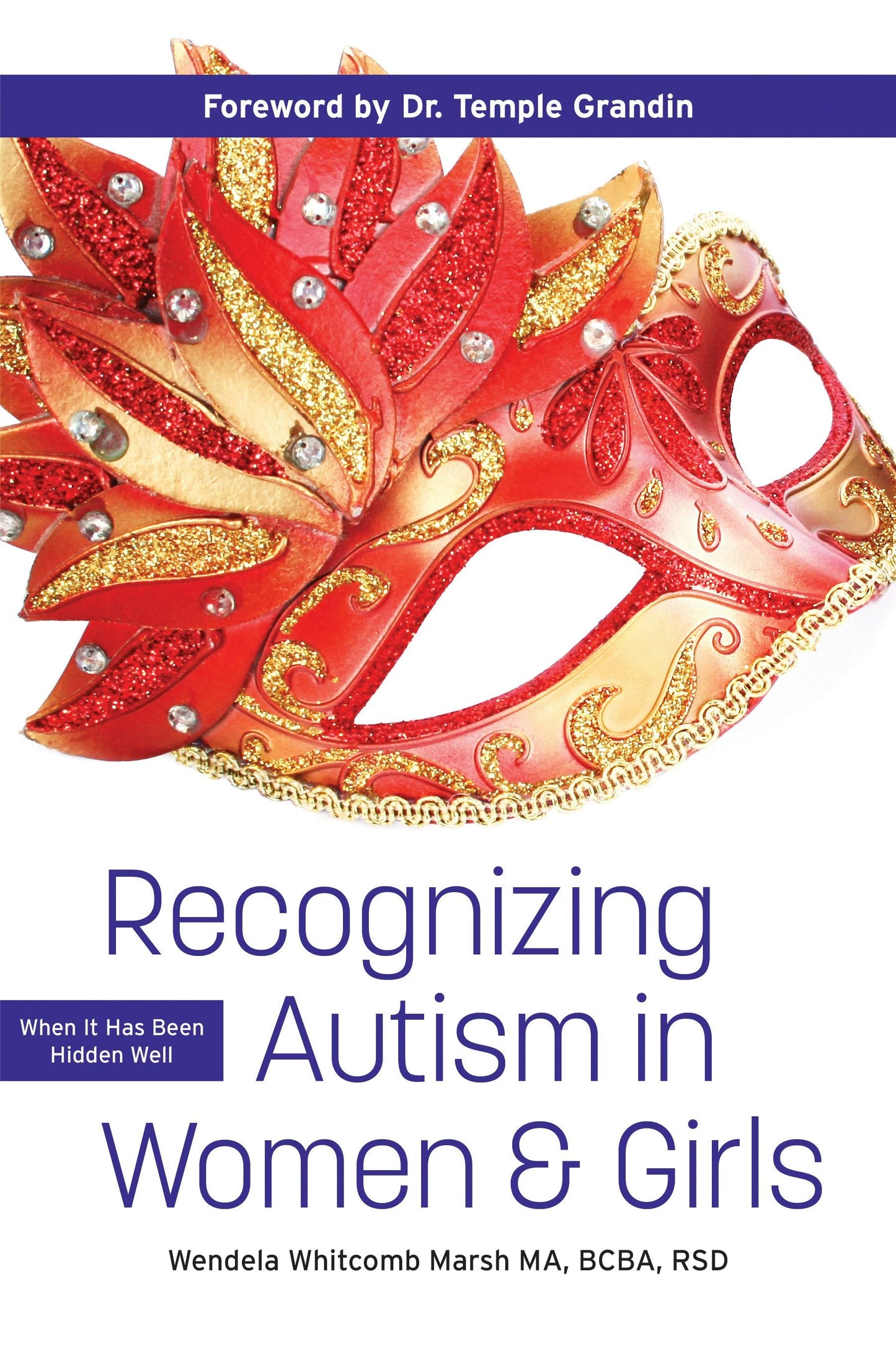
Autism has long been considered a boys' condition, but there is more to this story. The truth is, autism looks different in women and girls. They're much better at "pretending to be normal" by masking their autistic characteristics.
How can we look behind the mask to recognize autism, when it has been so well camouflaged? Recognizing Autism in Women and Girls: When It Has Been Hidden Well provides the perspective needed to see how autism manifests in gendered ways, allowing for a more accurate diagnosis.
In addition to describing each point in the diagnostic manual to include feminine presentations, Dr. Marsh has created “Seven Fictional Female Figures” who've been misdiagnosed because they also display symptoms of other similar conditions. She describes their behaviors, both obvious and hidden, from early childhood to adulthood, and demonstrates how these behaviors meet diagnostic criteria for autism spectrum disorder. The "Behind the Mask" section provides helpful questions to ask during the autism assessment process to allow the professional to recognize autism, even when it has been successfully masked. In addition, each chapter contains "In Her Own Words," written by autistic women who describe their personal journeys from masking to diagnosis, and what it means to them. Being recognized at last for who they truly are frees autistic women to stop hiding behind a mask and begin opening doors to success.


Table of Contents
Introduction: The Myth, The Mask, The Message
PART I: SOCIAL COMMUNICATION AND INTERACTION
Chapter One: RECIPROCITY…A Two-Way Street
Chapter Two: NONVERBAL COMMUNICATION…You Don’t Say
Chapter Three: RELATIONSHIPS…It’s Peopley Out There
PART II: REPETITIVE PATTERNS
Chapter Four: STEREOTYPED BEHAVIORS…If You’re Happy and You Know It, Flap Your Hands
Chapter Five: RIGIDITY…If It’s Worth Doing, It’s Worth Doing the Same Way Every Time
Chapter Six: INTERESTS…If You Love Something, Never Let it Go
Chapter Seven: SENSORY…If It Sounds Like a Duck, Wear Ear Plugs
PART III: ADDITIONAL CONSIDERATIONS
Chapter Eight: DEVELOPMENTAL…Has ASD Always Been There?
Chapter Nine: IMPAIRMENT…Does ASD Get in the Way?
Chapter Ten: OTHER CONDITIONS…Could it be
Something