


Some error occured while loading the Quick View. Please close the Quick View and try reloading the page.
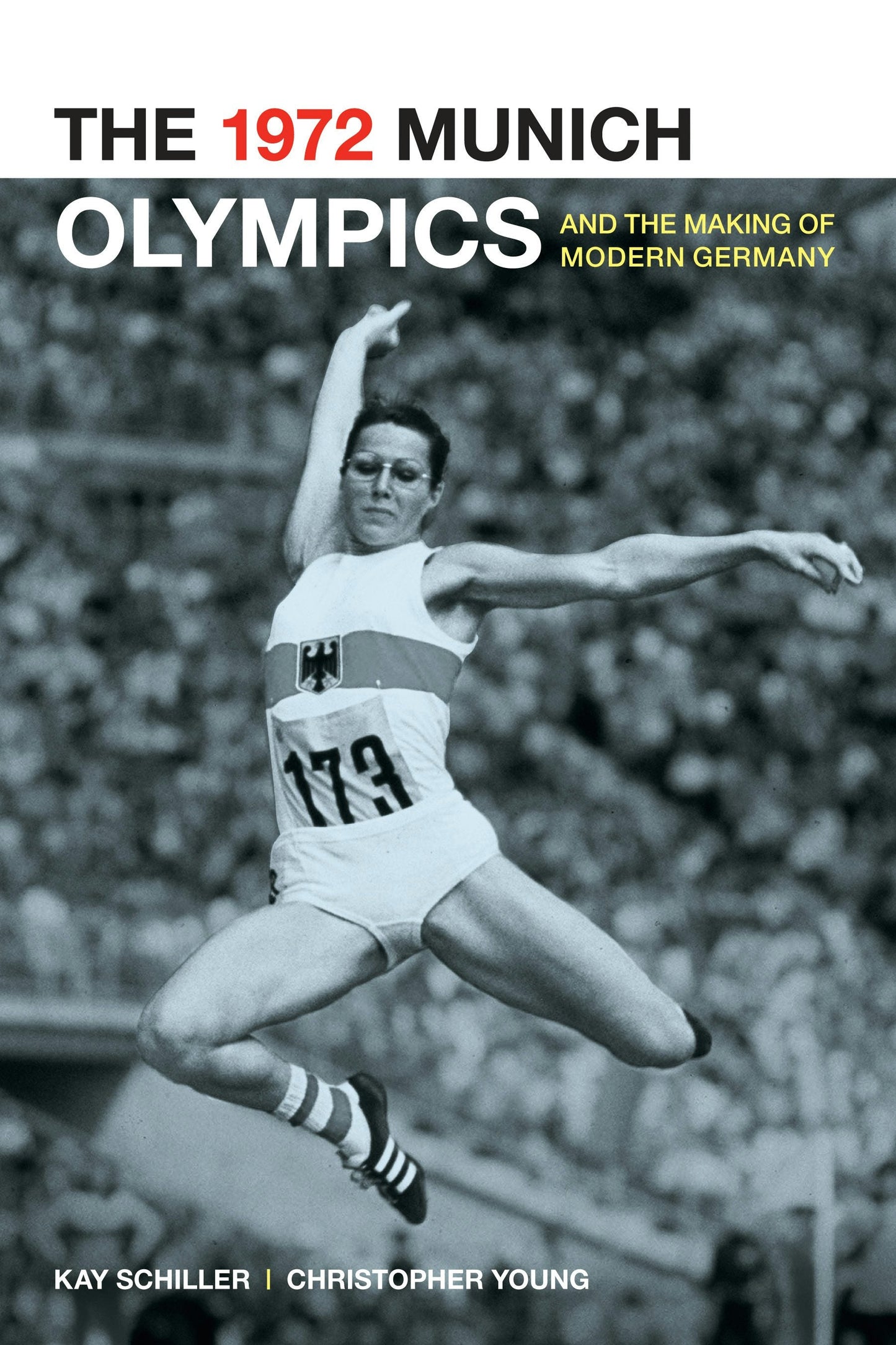
The 1972 Munich Olympics—remembered almost exclusively for the devastating terrorist attack on the Israeli team—were intended to showcase the New Germany and replace lingering memories of the Third Reich. That hope was all but obliterated in the early hours of September 5, when gun-wielding Palestinians murdered 11 members of the Israeli team. In the first cultural and political history of the Munich Olympics, Kay Schiller and Christopher Young set these Games into both the context of 1972 and the history of the modern Olympiad. Delving into newly available documents, Schiller and Young chronicle the impact of the Munich Games on West German society.

Price: $34.95
Pages: 368
Publisher: University of California Press
Imprint: University of California Press
Series: Weimar and Now: German Cultural Criticism
Publication Date:
03 August 2010
ISBN: 9780520947580
Format: eBook

List of Illustrations
Acknowledgments
1. Introduction
2. Urban, State, and National Capital: Buying, Paying for, and Selling the Games
3. The Legacy of Berlin 1936 and the German Past: Problems and Possibilities
4. Germany on the Drawing Board: Architecture, Design, and Ceremony
5. After "1968": 1972 and the Youth of the World
6. East versus West: German-German Sporting Tensions from Hallstein to Ostpolitik
7. The End of the Games: Germany, the Middle East, and the Terrorist Attack
8. Conclusion: Olympic Legacies
Notes
Bibliography
Index
Acknowledgments
1. Introduction
2. Urban, State, and National Capital: Buying, Paying for, and Selling the Games
3. The Legacy of Berlin 1936 and the German Past: Problems and Possibilities
4. Germany on the Drawing Board: Architecture, Design, and Ceremony
5. After "1968": 1972 and the Youth of the World
6. East versus West: German-German Sporting Tensions from Hallstein to Ostpolitik
7. The End of the Games: Germany, the Middle East, and the Terrorist Attack
8. Conclusion: Olympic Legacies
Notes
Bibliography
Index