


Some error occured while loading the Quick View. Please close the Quick View and try reloading the page.
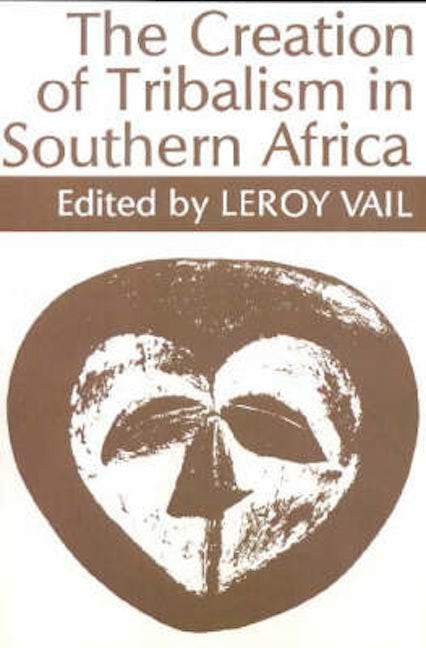
A collection of studies by key academics on ethnic identity in Africa.
The great virtue of this book is that it is the first major study to focus exclusively on the historical evolution of ethnic identity over a broad region from Zaire ... to South Africa.' - John McCracken, University of Stirling
US & Canada & the Philippines: University of California Press
The great virtue of this book is that it is the first major study to focus exclusively on the historical evolution of ethnic identity over a broad region from Zaire ... to South Africa.' - John McCracken, University of Stirling
US & Canada & the Philippines: University of California Press

Price: $49.95
Pages: 448
Publisher: Boydell & Brewer Inc.
Imprint: James Currey
Publication Date:
01 January 1989
Trim Size: 9.21 X 6.14 in
ISBN: 9780852550434
Format: Paperback
BISACs:
LITERARY COLLECTIONS / African, Anthologies: general

This book carries forward an analysis of tribe and culture which has been gathering steam since the late 1960s and which has upset a great deal of previously accepted wisdom, both political and academic. The central thesis - that the same forces of modernity which nurtured Africa's state-based nationalisms also bolstered ethnic self-consciousness - undermines the ideological foundations of the one-party state. As long as it was supposed that ethnicity would inevitably wither in the shade of the spreading tree of nationalism, the one-party state could be justified as a temporary bulwark against the secessionist threats of tribalism. In this book many contemporary African heads of state bear more resemblance to Mussolini than to Abraham Lincoln. 'Ethnicity', writes Vail, 'quite legitimately became the home of the opposition in states where bureaucratic elites stifled the initial popular thrusts of nationalism.