


Some error occured while loading the Quick View. Please close the Quick View and try reloading the page.
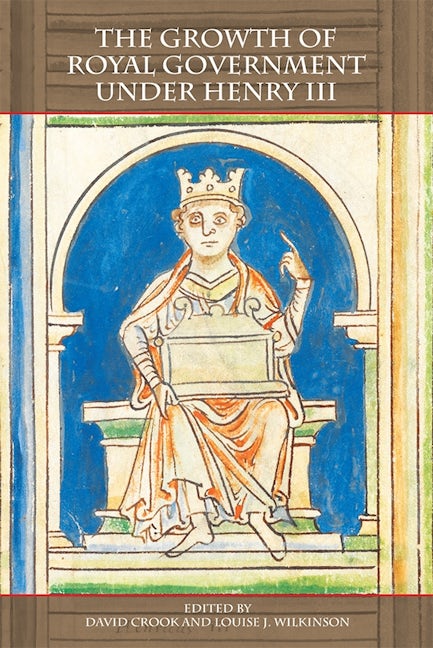
A survey of the complexity and sophistication of English royal government in the thirteenth century, a period of radical change.
The years between 1258 and 1276 comprise one of the most influential periods in the Middle Ages in Britain. This turbulent decade witnessed a bitter power struggle between Henry III and his barons over who should control the government of the realm. Before England eventually descended into civil war, a significant proportion of the baronage had attempted to transform its governance by imposing on the crown a programme of legislative and administrative reform far more radical and wide-ranging than Magna Carta in 1215. Constituting a critical stage in the development of parliament, the reformist movement would remain unsurpassed in its radicalism until the upheavals of the seventeenth century. Simon de Montfort, the baronial champion, became the first leader of a political movement to seize power and govern in the king's name.
The essays here draw on material available for the first time via the completion of the project to calendar all the Fine Rolls of Henry III; these rolls comprise the last series of records of the English Chancery from that period to become readily available in a convenient form, thereby transforming accessto several important fields of research, including financial, legal, political and social issues. The volume covers topics including the evidential value of the fine rolls themselves and their wider significance for the English polity, developments in legal and financial administration, the roles of women and the church, and the fascinating details of the development of the office of escheator. Related or parallel developments in Scotland, Wales and Ireland are also dealt with, giving a broader British dimension.
The years between 1258 and 1276 comprise one of the most influential periods in the Middle Ages in Britain. This turbulent decade witnessed a bitter power struggle between Henry III and his barons over who should control the government of the realm. Before England eventually descended into civil war, a significant proportion of the baronage had attempted to transform its governance by imposing on the crown a programme of legislative and administrative reform far more radical and wide-ranging than Magna Carta in 1215. Constituting a critical stage in the development of parliament, the reformist movement would remain unsurpassed in its radicalism until the upheavals of the seventeenth century. Simon de Montfort, the baronial champion, became the first leader of a political movement to seize power and govern in the king's name.
The essays here draw on material available for the first time via the completion of the project to calendar all the Fine Rolls of Henry III; these rolls comprise the last series of records of the English Chancery from that period to become readily available in a convenient form, thereby transforming accessto several important fields of research, including financial, legal, political and social issues. The volume covers topics including the evidential value of the fine rolls themselves and their wider significance for the English polity, developments in legal and financial administration, the roles of women and the church, and the fascinating details of the development of the office of escheator. Related or parallel developments in Scotland, Wales and Ireland are also dealt with, giving a broader British dimension.

Price: $36.95
Pages: 304
Publisher: Boydell & Brewer Inc.
Imprint: Boydell Press
Publication Date:
21 February 2020
Trim Size: 9.21 X 6.14 in
ISBN: 9781783274628
Format: Paperback
BISACs:
HISTORY / Europe / Medieval, European history: medieval period, middle ages, HISTORY / Europe / Great Britain / General

This volume serves a dual purpose, in presenting new research while providing a survey of royal administration in England and the other lands of the British Isles under Henry III. As such, it will obviously be of interest to aficionados; but it should also be the first port of call for postgraduates and researchers exploring the records of Henry III's reign for the first time.
Introduction - David Carpenter and David Crook and Louise J. Wilkinson
Between Magna Carta and the Parliamentary State: The Fine Rolls of King Henry III, 1216-72 - David Carpenter
The Form and Function of the Originalia Rolls - Paul Dryburgh
The Fine Rolls of Henry III as a Source for the Legal Historian - Paul Brand
The Fine Rolls as Evidence for the Expansion of Royal Justice during the Reign of Henry III - Tony K. Moore
Administering the Irish Fines, 1199-1254: The English Chancery, the Dublin Exchequer and the Seeking of Favours - Beth Hartland
Auditing and Enrolment in Thirteenth-Century Scotland - Alice Taylor
Imitation and Independence in Native Welsh Administrative Culture, c.1180-1280 - Charles Insley
An Inventory of Gifts to King Henry III, 1234-5 - Nicholas Vincent
Another Fine Mess: Evidence for the Resumption of Exchequer Authority in the Minority of Henry III - Nick Barratt
Roger of Wendover, Prior of Belvoir, and the Implementation of the Charter of the Forest, 1225-27 - David Crook
Royal Government and Administration in Post-Evesham England, 1265-70 - Adrian L Jobson
The Church and the King: Canon Law and Kingship in England, 1257-61 - Philippa M. Hoskin
Women in English Local Government: Sheriffs, Castellans and Foresters - Louise J. Wilkinson
The Origins of the Office of Escheator - Scott L. Waugh
Between Magna Carta and the Parliamentary State: The Fine Rolls of King Henry III, 1216-72 - David Carpenter
The Form and Function of the Originalia Rolls - Paul Dryburgh
The Fine Rolls of Henry III as a Source for the Legal Historian - Paul Brand
The Fine Rolls as Evidence for the Expansion of Royal Justice during the Reign of Henry III - Tony K. Moore
Administering the Irish Fines, 1199-1254: The English Chancery, the Dublin Exchequer and the Seeking of Favours - Beth Hartland
Auditing and Enrolment in Thirteenth-Century Scotland - Alice Taylor
Imitation and Independence in Native Welsh Administrative Culture, c.1180-1280 - Charles Insley
An Inventory of Gifts to King Henry III, 1234-5 - Nicholas Vincent
Another Fine Mess: Evidence for the Resumption of Exchequer Authority in the Minority of Henry III - Nick Barratt
Roger of Wendover, Prior of Belvoir, and the Implementation of the Charter of the Forest, 1225-27 - David Crook
Royal Government and Administration in Post-Evesham England, 1265-70 - Adrian L Jobson
The Church and the King: Canon Law and Kingship in England, 1257-61 - Philippa M. Hoskin
Women in English Local Government: Sheriffs, Castellans and Foresters - Louise J. Wilkinson
The Origins of the Office of Escheator - Scott L. Waugh