


Some error occured while loading the Quick View. Please close the Quick View and try reloading the page.
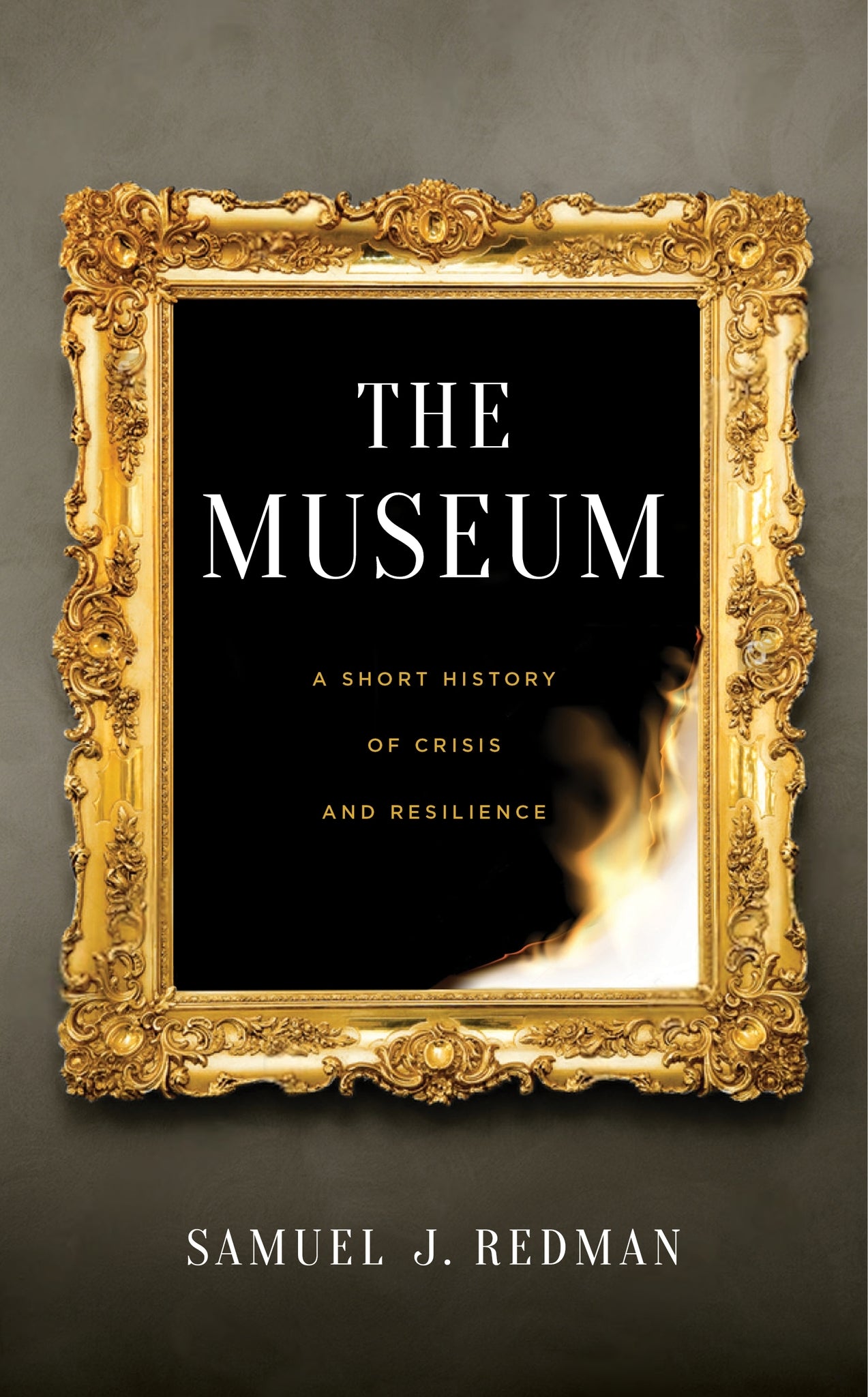
Celebrates the resilience of American cultural institutions in the face of national crises and challenges
On an afternoon in January 1865, a roaring fire swept through the Smithsonian Institution. Dazed soldiers and worried citizens could only watch as the flames engulfed the museum’s castle. Rare objects and valuable paintings were destroyed. The flames at the Smithsonian were not the first—and certainly would not be the last— disaster to upend a museum in the United States. Beset by challenges ranging from pandemic and war to fire and economic uncertainty, museums have sought ways to emerge from crisis periods stronger than before, occasionally carving important new paths forward in the process.
The Museum explores the concepts of “crisis” as it relates to museums, and how these historic institutions have dealt with challenges ranging from depression and war to pandemic and philosophical uncertainty. Fires, floods, and hurricanes have all upended museum plans and forced people to ask difficult questions about American cultural life. With chapters exploring World War I and the 1918 influenza pandemic, the Great Depression, World War II, the 1970 Art Strike in New York City, and recent controversies in American museums, this book takes a new approach to understanding museum history. By diving deeper into the changes that emerged from these key challenges, Samuel J. Redman argues that cultural institutions can—and should— use their history to prepare for challenges and solidify their identity going forward. A captivating examination of crisis moments in US museum history from the early years of the twentieth century to the present day, The Museum offers inspiration in the resilience and longevity of America’s most prized cultural institutions.


The book springs to life in an account of the 1970 Art Strike in New York, a largely failed but influential effort to goad museums into denouncing the Vietnam War. (The Metropolitan’s clumsy response gets deserved attention.) He causally links this to subsequent repatriation of Indigenous remains starting in the 1980s, and the maelstrom of controversy surrounding displaying the Enola Gay at the Air and Space Museum. Redman brings the story up to the minute in a final chapter contemplating the impacts of the antiracism movement and the global pandemic ... Contains many touchpoints of cultural history and is a timely, engaging read.
Historian and professional Samuel J. Redman lends a fine analytical eye to the discussions that blend historical events with broader questions about museum operations, community presence, and special challenges. The result is a detailed blend of reports and analysis that charts the evolution of the museum and the nature of its contents.
The Museum: A Short History of Crisis and Resilience is the latest museological history by historian and former museum professional Samuel J. Redman…the author convincingly, succinctly, and accessibly argues that ‘museums as institutions have proven extraordinarily durable as cultural concepts’.
The Museum takes the reader behind the displays that present the public face of culture and science, to show how they have changed and will have to change to not just survive but to have relevancy in our age. The writing in this thought-provoking book on a subject not generally known is clear and well-organized
— Robert S. Davis
Redman deftly considers the critical issues, past and present, that affect museums, offering a fascinating introduction to the ideology, hopes for, and problems of museum building and collection curation.
— Claire Potter, The New School
This wise book understands that crisis and conflict bring change because people must act whether ready or not. Redman examines five key moments over the past 150 years in the United States when war, economic downturns, and popular unrest from both left and right challenged and transformed the country’s museums in ways that their leaders did not anticipate. An essential book for understanding the trajectory of US museums from the Civil War to the present.
— Richard Candida Smith, Professor Emeritus of History at the University of California, Berkeley
Redman deploys an innovative and provocative approach to considering the history of museums in the US during the twentieth century, framed in terms of how they responded to crises originating both within and outside the institution. The Museum presents a masterful synthesis of diverse historical sources offering the reader fresh insights into the role of museums in American society. Written to be accessible to a broad audience, it is the perfect text for anyone interested in the history of American museums, and more broadly twentieth-century cultural history.
— Raymond Silverman, Professor Emeritus of History of Art and Critical Museum Studies, University of Michigan
A valuable addition to the reading of any person working in museology, including students, staff, and administration. Redman provides real-world examples of museums proving their resilience and presents a thought-provoking historical analysis of museums.