


Some error occured while loading the Quick View. Please close the Quick View and try reloading the page.
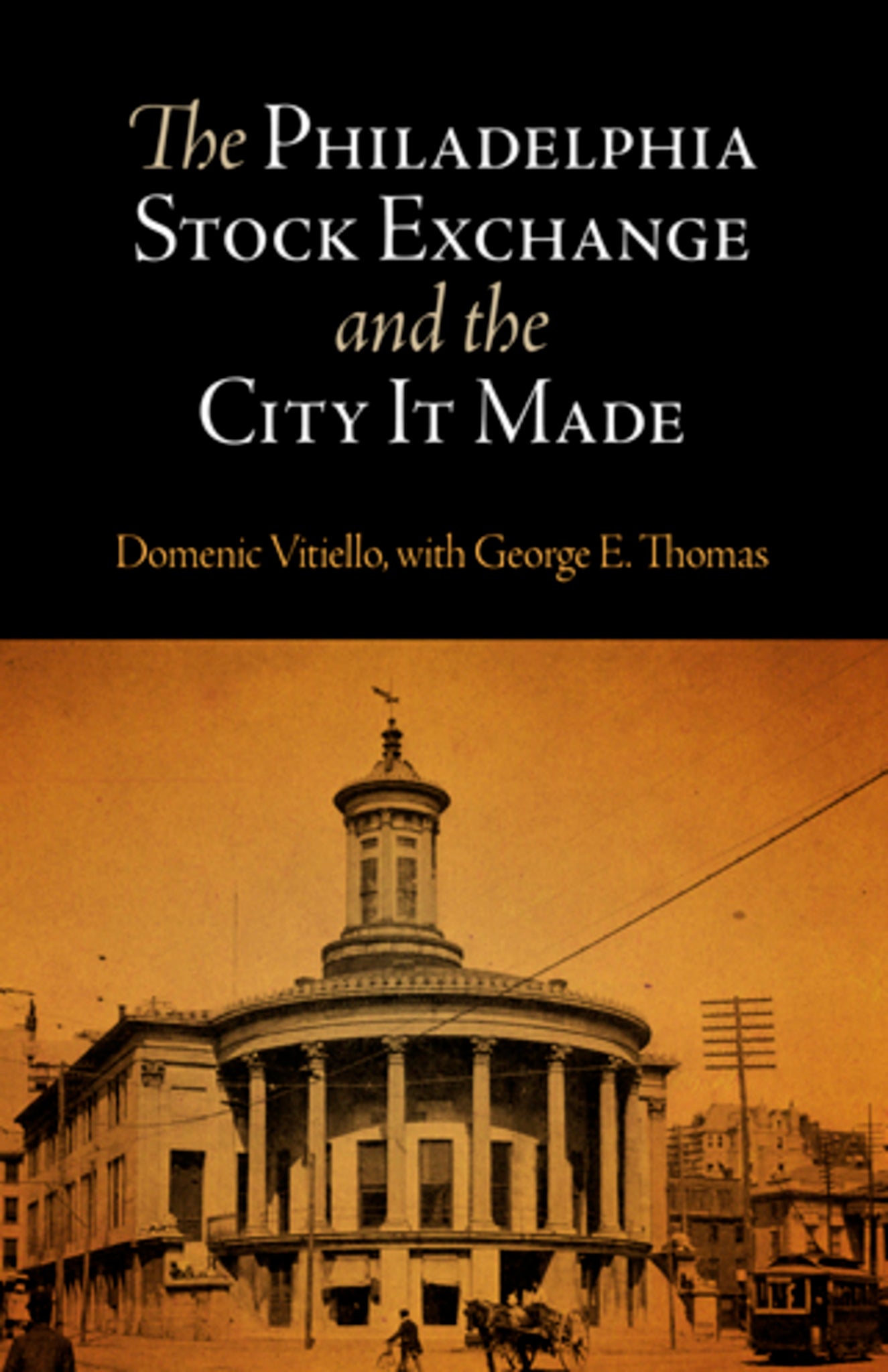
The Philadelphia Stock Exchange and the City It Made recounts the history of America's first stock exchange and the ways it shaped the growth and decline of the city around it. Founded in 1790, the Philadelphia Stock Exchange, its member firms, and the companies they financed had profound impacts on the city's place in the world economy. At its start, the exchange and its members helped spur the development of the early United States, its financial sector, and its westward expansion. During the nineteenth century, they invested in making Philadelphia the center of industrial America, raising capital for the railroads and coal mines that connected cities to one another and built a fossil fuel-based economy. After financing the Civil War, they underwrote the growth of the modern metropolis, its transportation infrastructure, utility systems, and real estate development.
At the turn of the twentieth century, stagnation of the exchange contributed to Philadelphia's loss of power in the national and world economy. This original interpretation of the roots of deindustrialization holds important lessons for other cities that have declined. The exchange's revival following World War II is a remarkable story, but it also illustrates the limits of economic development in postindustrial cities. Unlike earlier eras, the exchange's fortunes diverged from those of the city around it. Ultimately, it became part of a larger, global institution when it merged with NASDAQ in 2008.
Far more than a history of a single institution, The Philadelphia Stock Exchange and the City It Made traces the evolving relationship between the exchange and the city. For people concerned with cities and their development, this study offers a long-term history of the public-private partnerships and private sector-led urban development popular today. More generally, it traces the networks of firms and institutions revealed by the securities market and its participants. Herein lies a critical and understudied part of the history of metropolitan economic development.


Preface
Introduction
Chapter 1. Revolutions in Capitalism: The Origins of the Philadelphia Stock Exchange
Chapter 2. National Capital: The Board of Brokers' Founding Generation
Chapter 3. Trade Wars and Bank Wars: The Board of Brokers in the Early Republic
Chapter 4. The "Workshop of the World": Industrial Capital and Industrial Revolutions
Chapter 5. Bankrolling the Union, Building the Metropolis
Chapter 6. Decadence: The Stock Exchange and the Fall of Philadelphia
Chapter 7. Revival: Making a Postindustrial Market
Chapter 8. Remapping Financial Capitalism: The PHLX's Long Ending
Appendix
Notes
Index