


Some error occured while loading the Quick View. Please close the Quick View and try reloading the page.
Arabic erotic literature has a long and rich history going back as far as the ninth century. Far from being the pursuit of prurient pornographers, eroticism and sexuality received considerable attention from scholars.
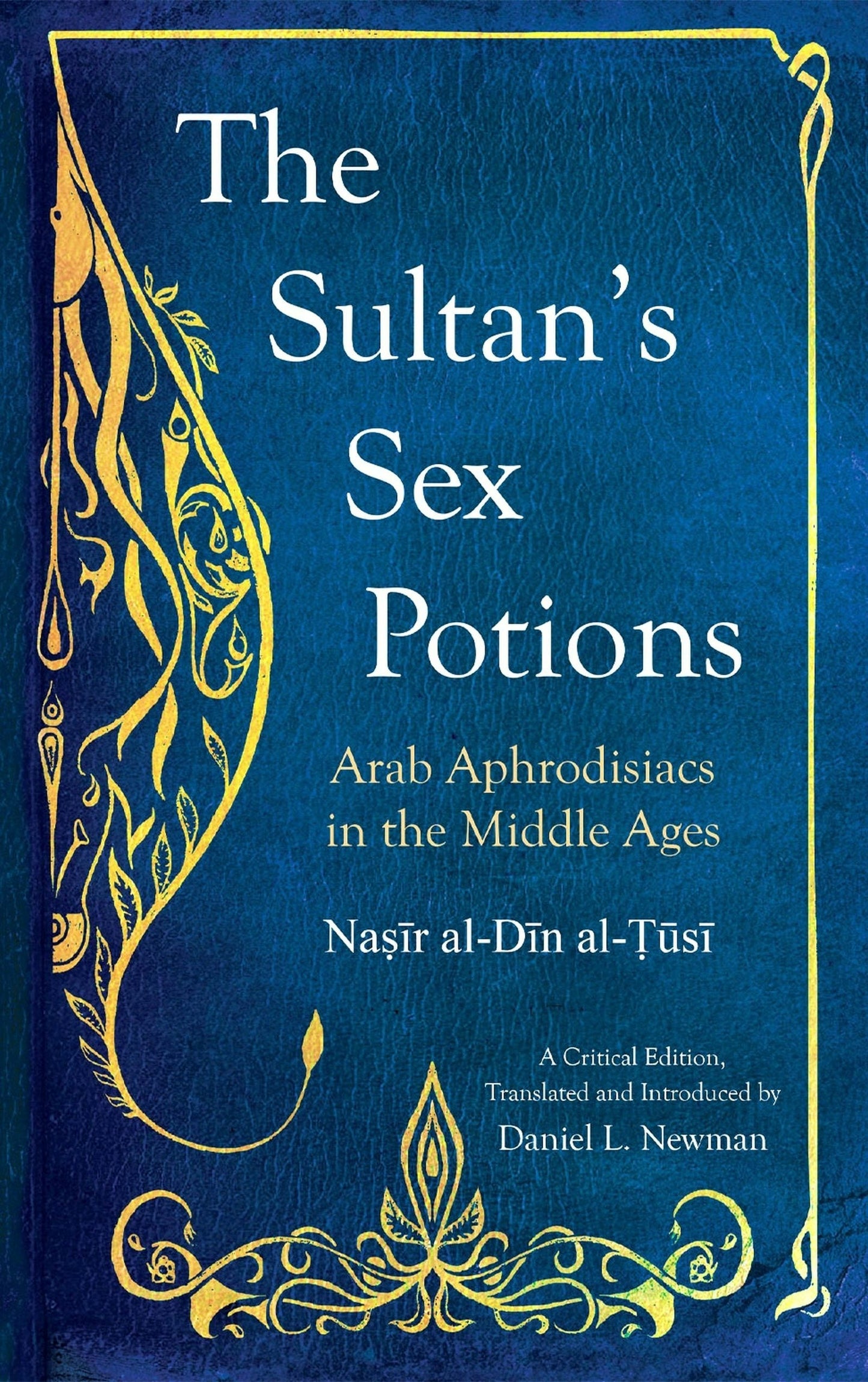
Written by leading thirteenth-century scientist Naṣīr al-Dīn al-Ṭūsī, The Sultan’s Sex Potions is part of a group of works devoted to aphrodisiacs as well as sexual practices and positions. Sober and measured in tone, the treatise was intended as a manual for self-healing. It was composed at the request of the ruler and so its potions, electuaries, syrups and enemas enjoyed a ‘royal warrant of appointment’ to arouse the lust for coitus and enhance sexual potency.
This volume includes a critical edition of three Arabic manuscripts (Berlin, Cairo and Glasgow), accompanied by an English translation as well as an introduction to Arabic erotic literature, a biography of the author, a bibliography of erotological works and extensive indexes.


‘Provides a much-needed, compact guide to the genre … generally serious in tone, but also rather amusing … accessible and inviting to both specialists and non-specialist readers.’ --School of Abbasid Studies
Daniel L. Newman holds the Chair of Arabic Studies at the University of Durham, UK. His publications include An Imam in Paris: Account of a Stay in France by An Egyptian Cleric (1826–1831), The Sultan’s Feast: A Fifteenth-Century Egyptian Cookbook and The Exile’s Cookbook: Medieval Gastronomic Treasures from al-Andalus and North Africa. In addition to his academic work, Newman shares his passion for recreating medieval Arab dishes on his blog (www.eatlikeasultan.com) and Instagram account (@medieval_arab_cooking).