


Some error occured while loading the Quick View. Please close the Quick View and try reloading the page.
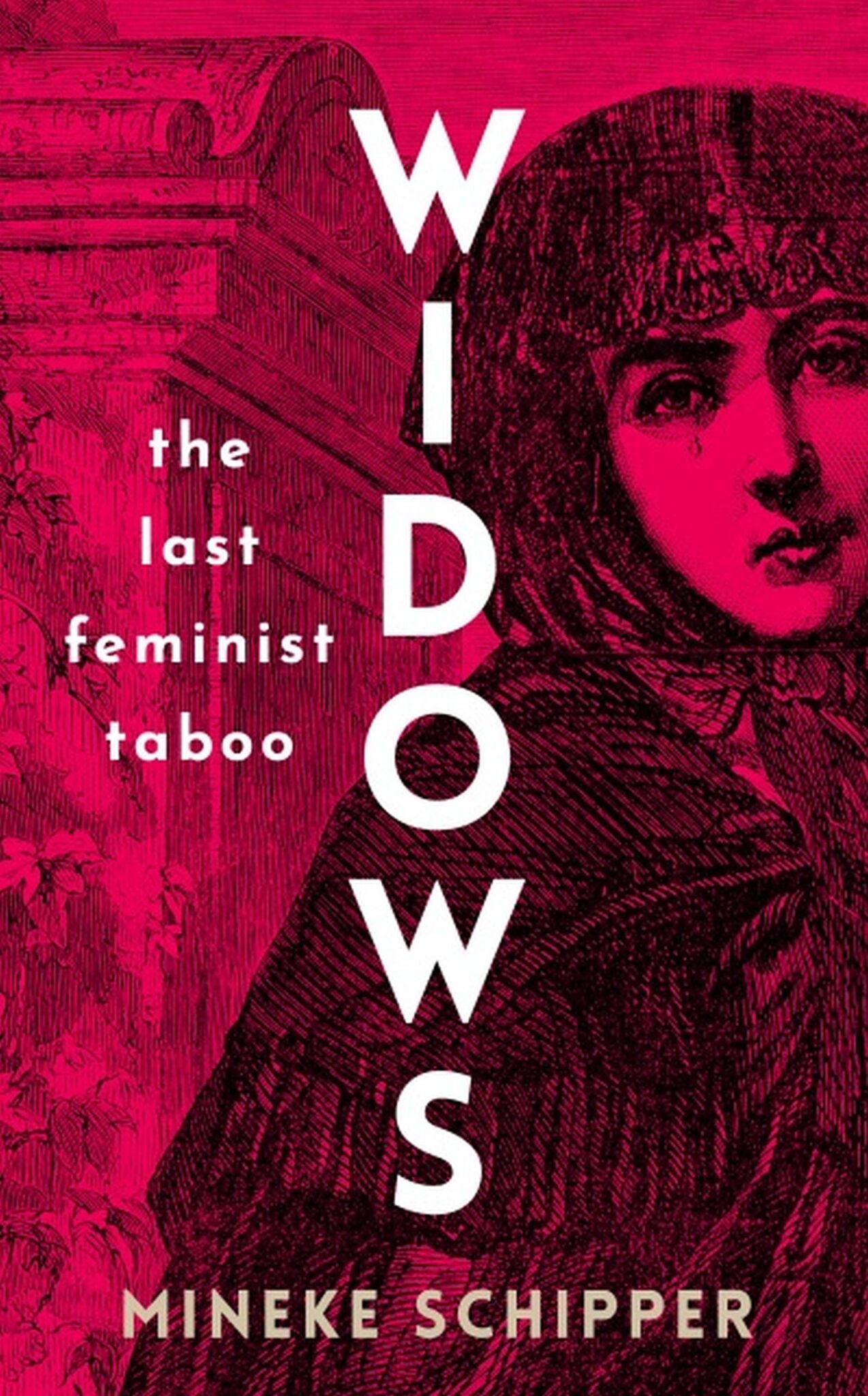
In Japanese, the word for widow – a woman who has outlived her husband – literally translates as ‘she who has not yet died.’ For millennia, widows have lived on the margins of society: banished to the wilderness, silenced, and shrouded in black or white. Across cultures, laws and local customs have maligned them as witches, dependants or objects of pity.
In some traditions, widows are expected to remarry within the husband’s family, or even – in extreme cases – commit self-immolation – expectations not placed on men. Yet widowhood has also brought unexpected freedoms: financial, social and sexual autonomy denied to married women. In medieval Europe, widows owned property and ran businesses; in India’s Maratha courts, they wielded political influence long before married women could.
Drawing on sources from Ancient Egypt and Greece to Africa, the Americas and beyond, cultural historian Mineke Schipper explores widowhood as both oppression and liberation. Widows reveals one of feminism’s last great taboos, and the story of women the world has long refused to see.


| Praise for Dutch edition: ‘Schipper has placed the accounts of old rituals into a new context ... Why should “she who has not yet died” have to sit out the rest of her days without prospects?’ NRC ‘Mineke shows the shocking sexism that underlies the way widows are treated … these vulnerable women deserve more attention within contemporary feminism. Schipper’s contribution is a good start.’ Het Parool ‘A magisterial new book, with the special insights we are used to from this versatile author.’ Soroptimist ‘They were despised, ridiculed and sometimes even killed. In many societies, widows no longer belonged to anything after the loss of their husbands. Mineke Schipper here charts their sad fate.’ Historisch Nieuwsblad ‘Schipper lays out how it was for widows then and now all over the world, in a clear and understandable way.’ Boekenbijlage |
Mineke Schipper is a cultural historian and
writer. She is the author of seven critically
acclaimed works including Never Marry a
Woman with Big Feet: Women in Proverbs
from Around the World and Naked or Covered:
A History of Dressing and Undressing Around
the World. Her writing has been published
in The Times, El Mundo and the Los Angeles
Times, among others. Schipper was foreign
secretary of Dutch PEN, chair of Index
on Censorship Nederland and currently
serves as Emeritus Professor of Intercultural
Literary Studies at the University of Leiden, Netherlands,
with visiting professorships in Nigeria,
Kenya, Zimbabwe, Burkina Faso and China.
She received a Royal Order of Knighthood
for her contribution to social and cultural
studies.