


Some error occured while loading the Quick View. Please close the Quick View and try reloading the page.
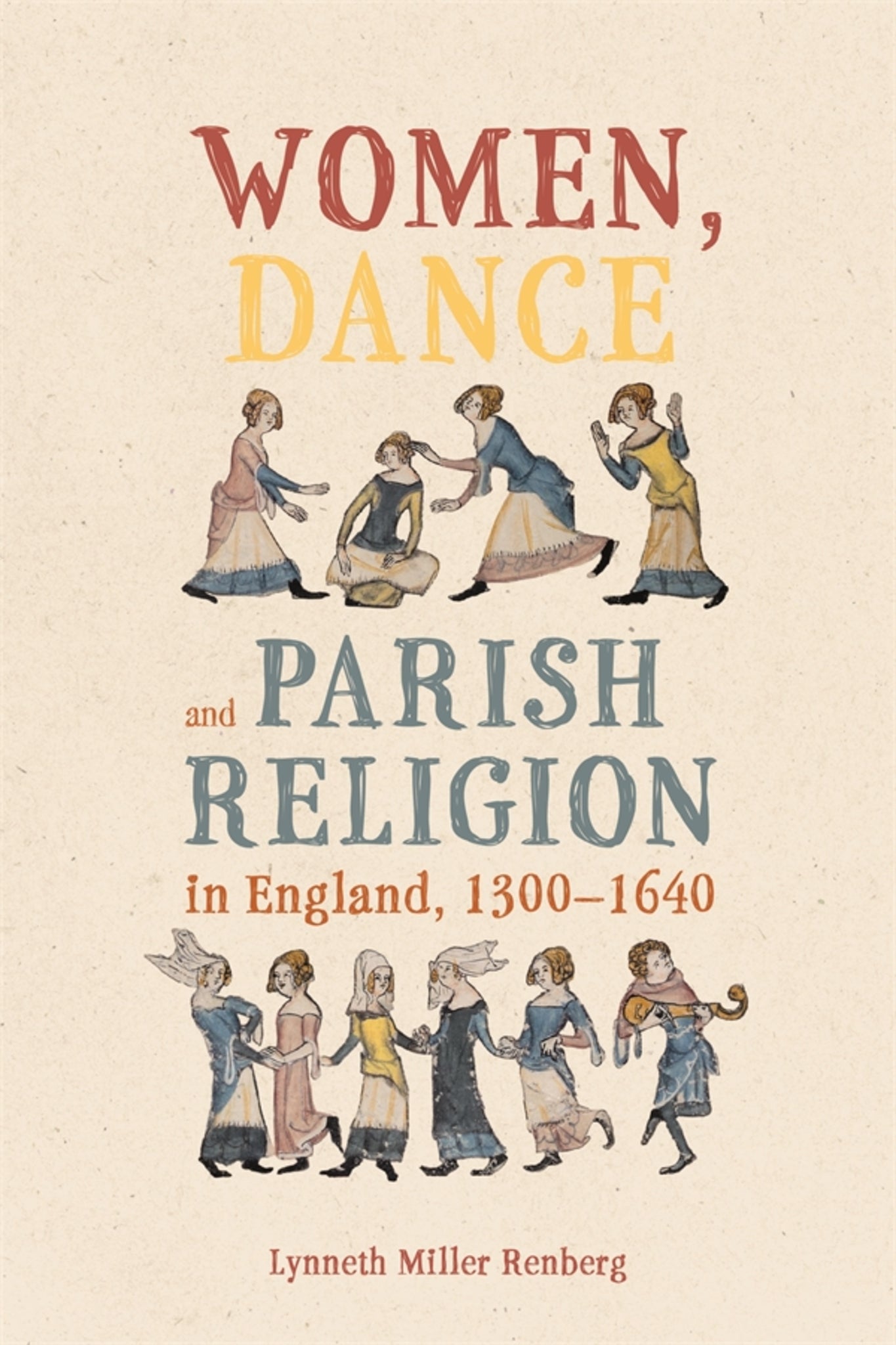
A lively exploration of the medieval and early modern attitudes towards dance, as the perception of dancers changed from saints dancing after Christ into cows dancing after the devil.
The devil's cows, impudent camels, or damsels animated by the devil: late medieval and early modern authors used these descriptors and more to talk about dancers, particularly women. Yet, dance was not always considered entirely sinful or connected primarily to women: in some early medieval texts, dancers were exhorted to dance to God, arm-in-arm with their neighbors, and parishes were filled with danced expressions of faith. What led to the transformation of dancers from saints dancing after Christ into cows dancing after the devil?
Drawing on the evidence from medieval and early modern sermons, and in particular the narratives of the cursed carolers and the dance of Salome, this book explores these changing understandings of dance as they relate to religion, gender, sin, and community within the English parish. In parishes both before and during the English Reformations, dance played an integral role in creating, maintaining, uniting, or fracturing community. But as theological understandings of sacrilege, sin, and proper worship changed, the meanings of dance and gender shifted as well. Redefining dance had tangible ramifications for the men and women of the parish, as new definitions of what it meant to perform one's gender collided with discourses about holiness and transgression, leading to closer scrutiny and monitoring of the bodies of the faithful.
The devil's cows, impudent camels, or damsels animated by the devil: late medieval and early modern authors used these descriptors and more to talk about dancers, particularly women. Yet, dance was not always considered entirely sinful or connected primarily to women: in some early medieval texts, dancers were exhorted to dance to God, arm-in-arm with their neighbors, and parishes were filled with danced expressions of faith. What led to the transformation of dancers from saints dancing after Christ into cows dancing after the devil?
Drawing on the evidence from medieval and early modern sermons, and in particular the narratives of the cursed carolers and the dance of Salome, this book explores these changing understandings of dance as they relate to religion, gender, sin, and community within the English parish. In parishes both before and during the English Reformations, dance played an integral role in creating, maintaining, uniting, or fracturing community. But as theological understandings of sacrilege, sin, and proper worship changed, the meanings of dance and gender shifted as well. Redefining dance had tangible ramifications for the men and women of the parish, as new definitions of what it meant to perform one's gender collided with discourses about holiness and transgression, leading to closer scrutiny and monitoring of the bodies of the faithful.

Price: $37.95
Pages: 268
Publisher: Boydell & Brewer Inc.
Imprint: Boydell Press
Publication Date:
24 June 2025
Trim Size: 9.21 X 6.14 in
ISBN: 9781837652839
Format: Paperback
BISACs:
HISTORY / Europe / Medieval, European history: medieval period, middle ages, HISTORY / Europe / Great Britain / Tudor & Elizabethan Era (1485-1603), RELIGION / History, European history

A fascinating study of ecclesiastical attitudes to dance in pre-modern England
Women, Dance and Parish Religion is a significant contribution to premodern dance studies and medieval studies, building a more nuanced history of dance in the period and demonstrating how practices and discourses often considered marginal are in fact central to how medieval and early modern communities crafted and performed their identities and beliefs.
— Tamara McCarty, Arkın University of Creative Arts and Design
A game-changing study that will benefit scholars of dance, religion, and British history... Reveals fascinating conceptions about dance and religion in the Middle Ages and early modernity.
Scholars of many disciplines will want to add this book to their libraries. Renberg's clear, jargon-free writing makes this work accessible to readers of diverse disciplines and backgrounds.
Women, Dance and Parish Religion represents a new and welcome contribution within dance historical research, bringing to light a textual archive never before mined for what it tells us about premodern and early modern attitudes toward dance, gender, and religion.
This book is a noteworthy achievement at the intersection of medieval and early modern history and gender studies.
References and Appendices are extremely comprehensive and I must commend the use of Old English characters (Thorn and Yogh for instance) in printed excerpts of sermons. This isn't a book for the general reader, but as an academic publication, I would highly recommend it.
The title of this book is very appropriate. It provides a study on how religion shifted in English parish churches during the late medieval and early modern periods, how those changes impacted women, and the use of dance in worship. Renberg's copious footnotes allow the interested reader to dig more deeply into the subject.
Women, Dance and Parish Religion is a significant contribution to premodern dance studies and medieval studies, building a more nuanced history of dance in the period and demonstrating how practices and discourses often considered marginal are in fact central to how medieval and early modern communities crafted and performed their identities and beliefs.
— Tamara McCarty, Arkın University of Creative Arts and Design
A game-changing study that will benefit scholars of dance, religion, and British history... Reveals fascinating conceptions about dance and religion in the Middle Ages and early modernity.
Scholars of many disciplines will want to add this book to their libraries. Renberg's clear, jargon-free writing makes this work accessible to readers of diverse disciplines and backgrounds.
Women, Dance and Parish Religion represents a new and welcome contribution within dance historical research, bringing to light a textual archive never before mined for what it tells us about premodern and early modern attitudes toward dance, gender, and religion.
This book is a noteworthy achievement at the intersection of medieval and early modern history and gender studies.
References and Appendices are extremely comprehensive and I must commend the use of Old English characters (Thorn and Yogh for instance) in printed excerpts of sermons. This isn't a book for the general reader, but as an academic publication, I would highly recommend it.
The title of this book is very appropriate. It provides a study on how religion shifted in English parish churches during the late medieval and early modern periods, how those changes impacted women, and the use of dance in worship. Renberg's copious footnotes allow the interested reader to dig more deeply into the subject.
Introduction
1. Reforming and Redefining True Religion
2. Dance and Protecting Sacred Space
3. Dance and Disrupting Sacred Time
4. "Satan Danced in the Person of the Damsel"
5. "In Her Dance She Had No Regard Unto God"
6. Performing Dance, Sin, and Gender
Conclusions
Appendix
Bibliography
Index
1. Reforming and Redefining True Religion
2. Dance and Protecting Sacred Space
3. Dance and Disrupting Sacred Time
4. "Satan Danced in the Person of the Damsel"
5. "In Her Dance She Had No Regard Unto God"
6. Performing Dance, Sin, and Gender
Conclusions
Appendix
Bibliography
Index