


Every July, Disability Pride Month marks the anniversary of the Americans with Disabilities Act, signed on July 26, 1990. The word "pride" still surprises people, because the mainstream story about disability tends to get told in the key of pity, or of heroic overcoming. The thirteen books below start somewhere else entirely: from the idea that disabled lives are whole lives, not tragedies with a silver lining.
Here's the thing we keep coming back to at IndiePubs: "nothing about us without us" is the disability movement's oldest slogan, and it's the only rule that matters for a list like this one. The independent and university presses we work with have spent years handing disabled writers the microphone instead of narrating over them, in movement manifestos and memoirs and middle-grade novels alike. Read a few of these back to back and the range is the whole point: there is no single disabled experience, and no one voice that speaks for all of them.
So consider this a starting point, not a syllabus. Six vantage points, thirteen books, thirteen different publishers. Tap any section below to jump straight to it.
Where Pride Comes From|A Life, Told Their Way|Not Always Visible|Family Ties|Minds of Their Own|For Younger Readers
Where Pride Comes From
Before the reading list, the idea behind it: disability justice, and the writers who built the framework the rest of us borrow.
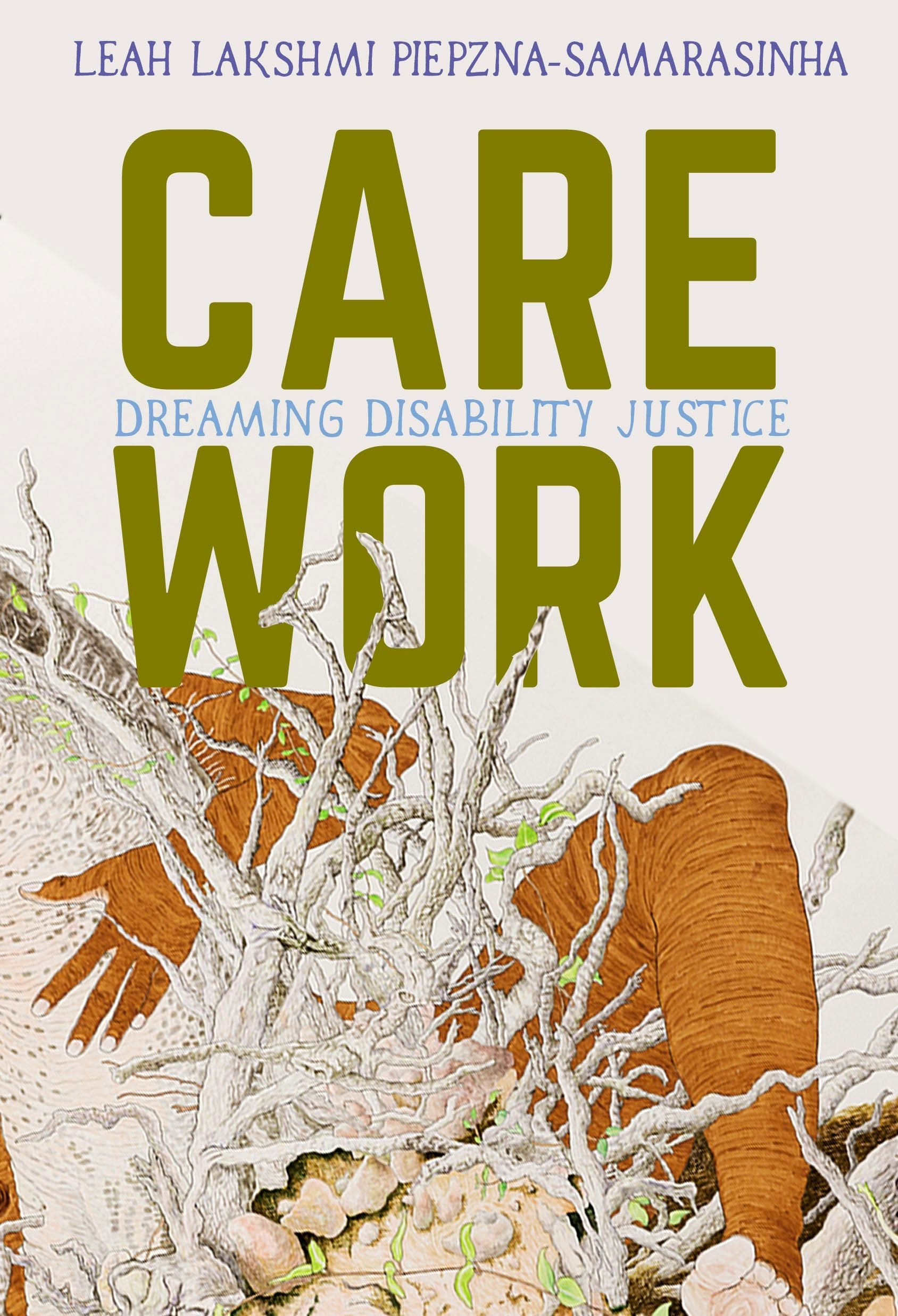
Care Work: Dreaming Disability Justice by Leah Lakshmi Piepzna-Samarasinha (Arsenal Pulp Press)
If disability pride has a modern founding text, this collection of essays is on the short list. Writing from her own life at those intersections, Piepzna-Samarasinha treats access as a form of love and care as political work — a movement built by disabled people for disabled people, queer, trans, and of color. A Vice Best Book of 2018 and, by now, an instant classic. Start here, and the rest of the list reads a little differently.
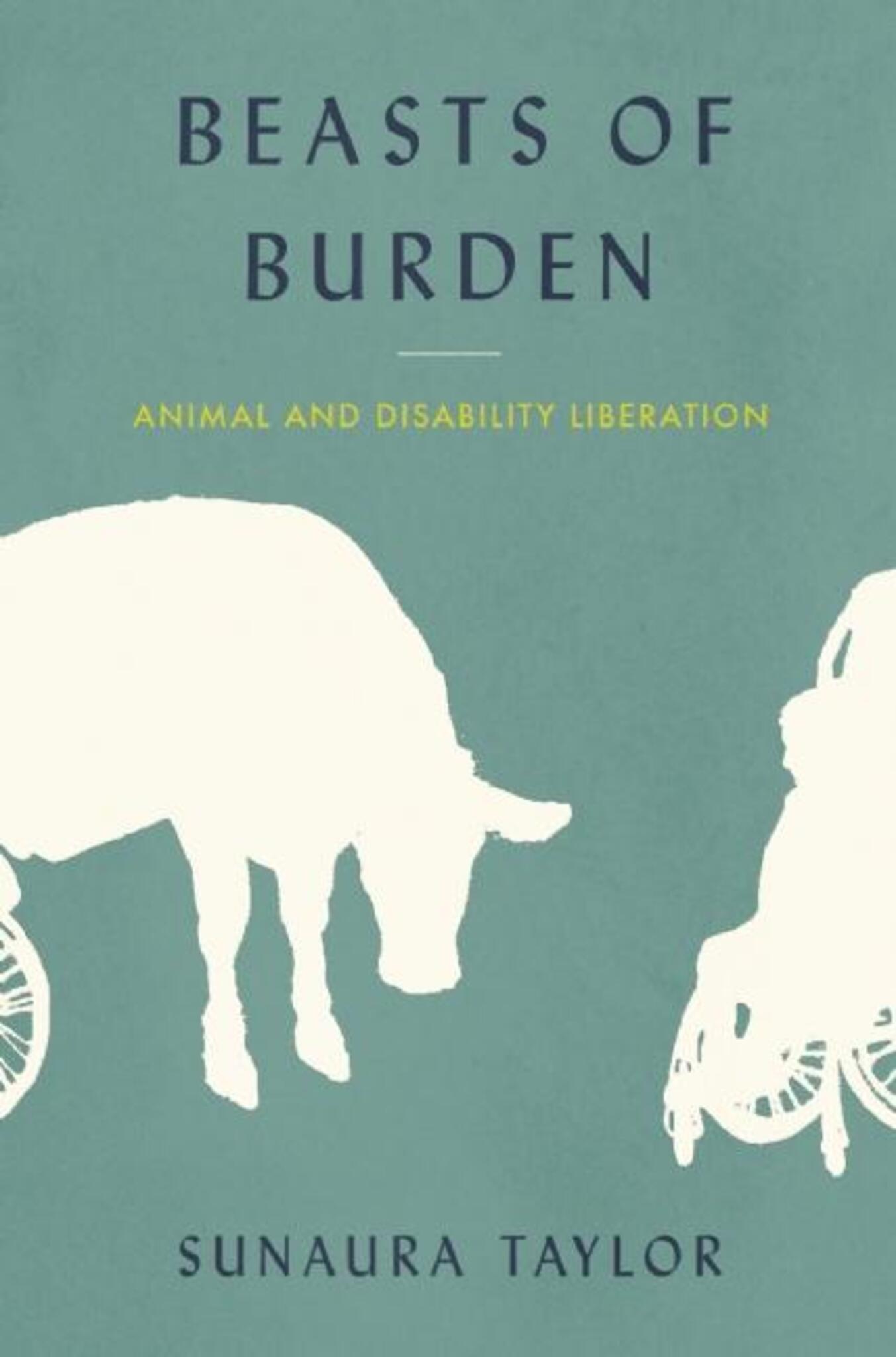
Beasts of Burden: Animal and Disability Liberation by Sunaura Taylor (The New Press)
Winner of the 2018 American Book Award, Sunaura Taylor's inquiry asks a question most of us never think to: what do the movements for animal liberation and disability liberation owe each other? Beautifully written and quietly radical, it connects two fights usually kept in separate rooms and reframes what the word "ability" is doing in both.
A Life, Told Their Way
Physical disability from the inside, in the words of the people living it, with pity strictly not invited.
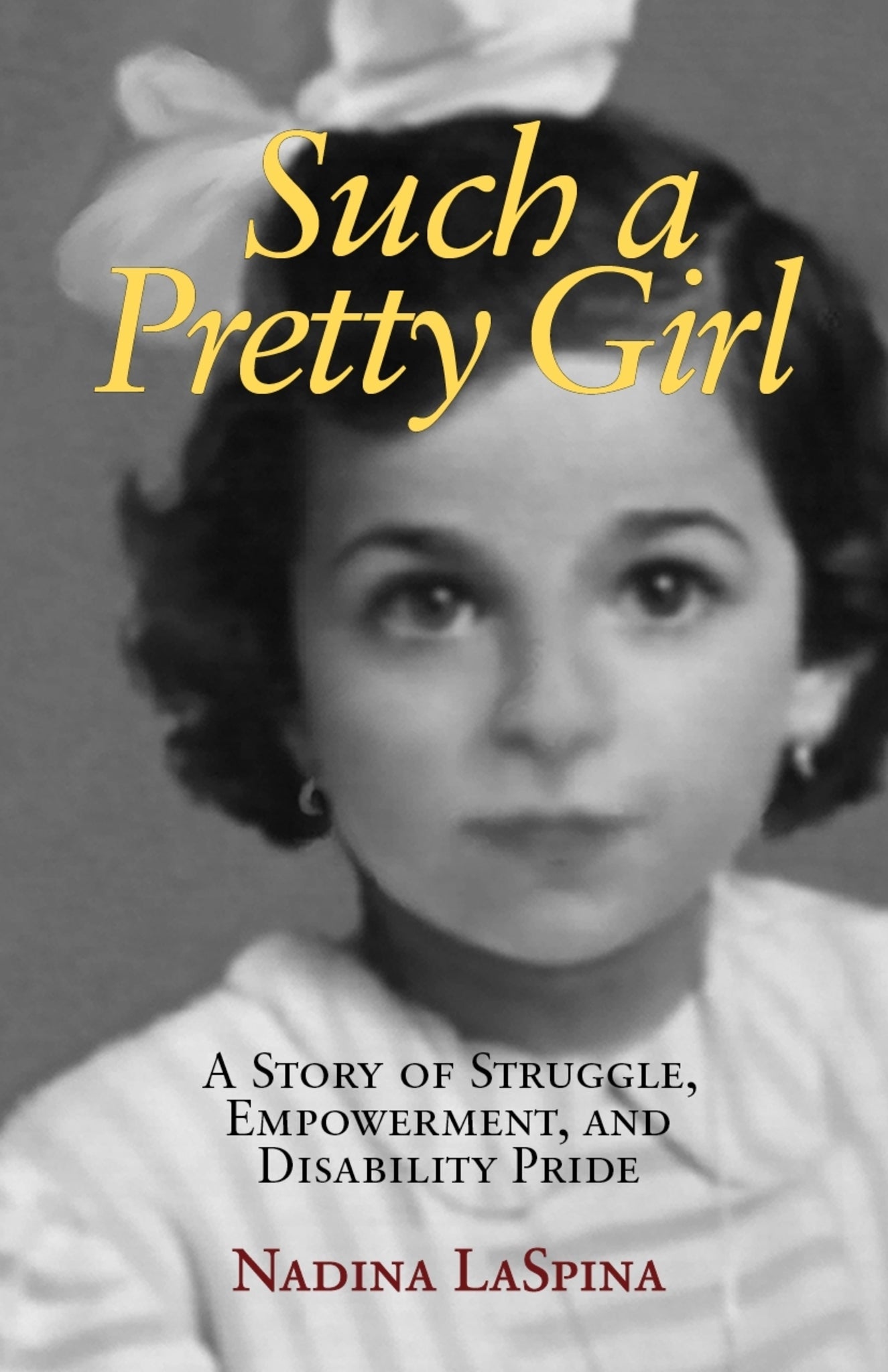
Such a Pretty Girl: A Story of Struggle, Empowerment, and Disability Pride by Nadina LaSpina (New Village Press)
LaSpina contracted polio as a baby in Sicily and spent her American adolescence being told what a shame it all was. Her memoir tracks the road from that pity to the streets, arrested again and again alongside ADAPT and Disabled In Action. It's one of the very few disability memoirs told from inside the activism itself, and one of the first by an immigrant. A starred Kirkus review calls it a "deeply moving memoir.”
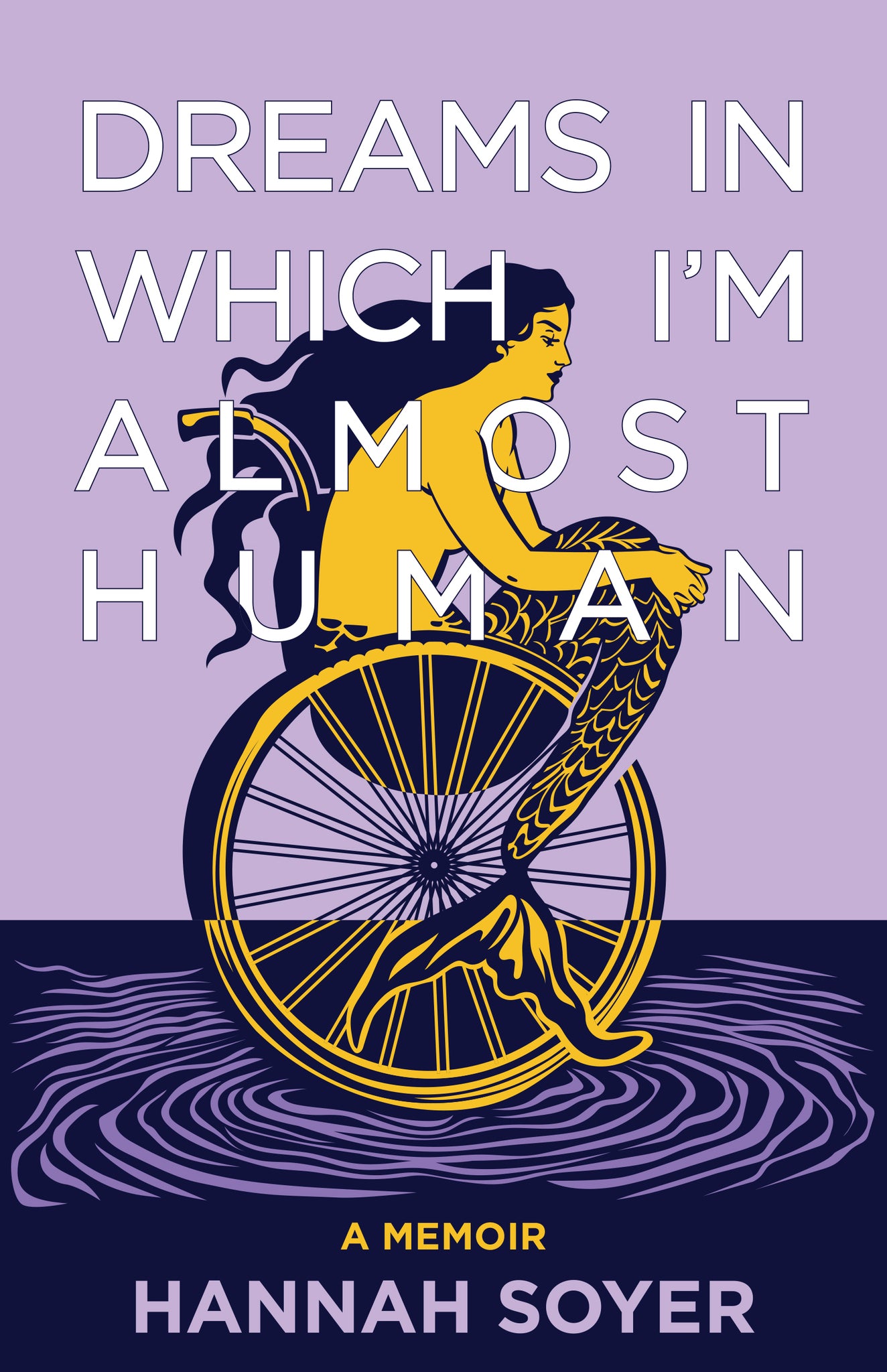
Dreams in Which I'm Almost Human: A Memoir by Hannah Soyer (Red Hen Press)
At eight, Hannah Soyer had a spinal surgery she wasn't allowed to refuse; years later she chose a different treatment for her neuromuscular condition, and this lyrical memoir lives in the gap between those two facts. Genre-bending and at home in ambiguity, it's about bodily autonomy, consent, and desire, minus the tidy resolutions the form usually reaches for. New for 2026.
Not Always Visible
Deafness and chronic illness don't always announce themselves on sight, which is exactly why these two writers wanted to talk about them.
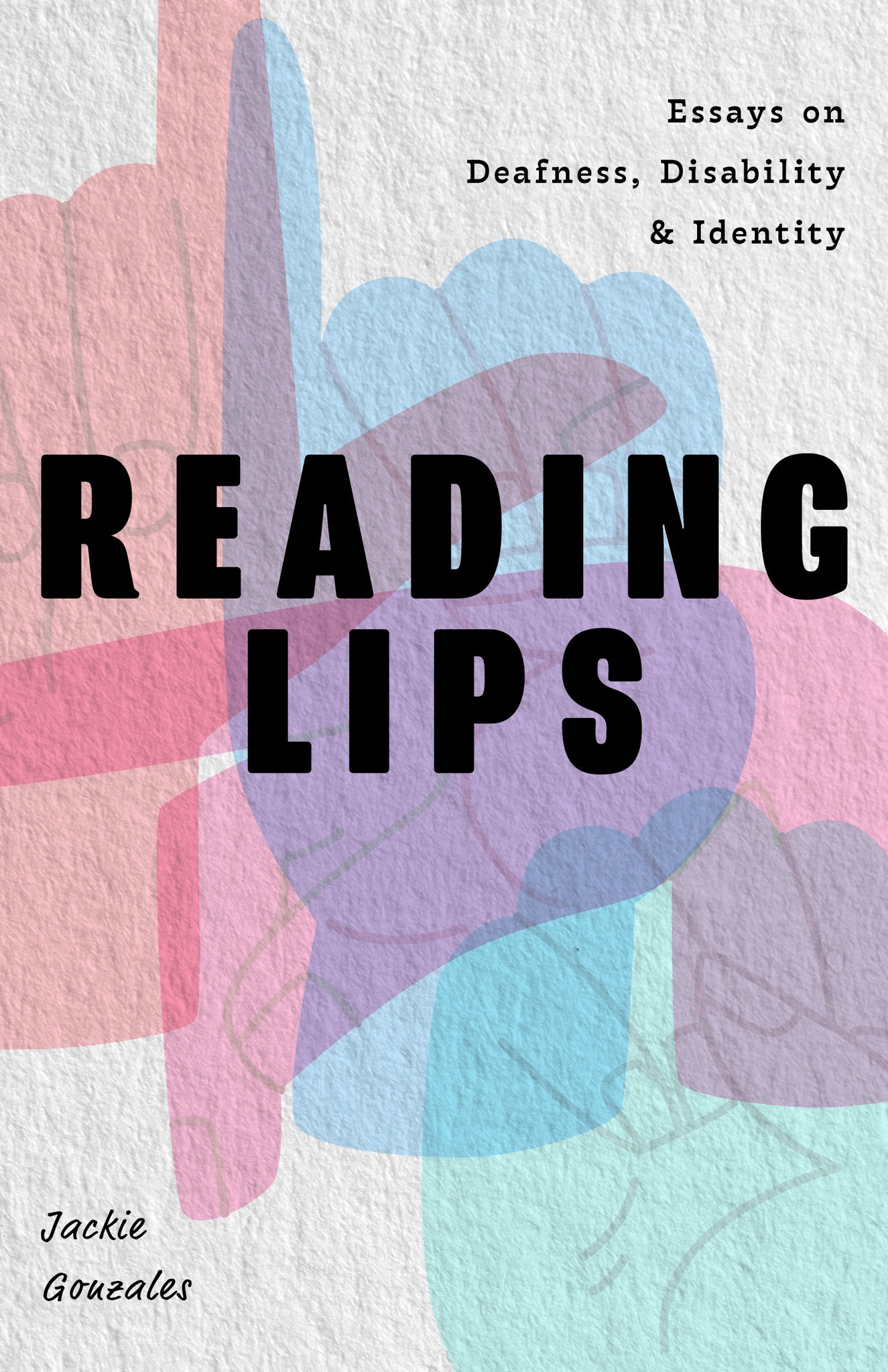
Reading Lips: Essays on Deafness, Disability and Identity by Jackie Gonzalez (Key Lime Publishing)
Jackie Gonzalez grew up wearing hearing aids and reading lips, learned ASL as an adult, and built an audience of millions online somewhere along the way. Her debut essay collection turns all of that into something funny, sharp, and clear-eyed about deafness, disability, and deciding for yourself who you get to be. New for 2026.
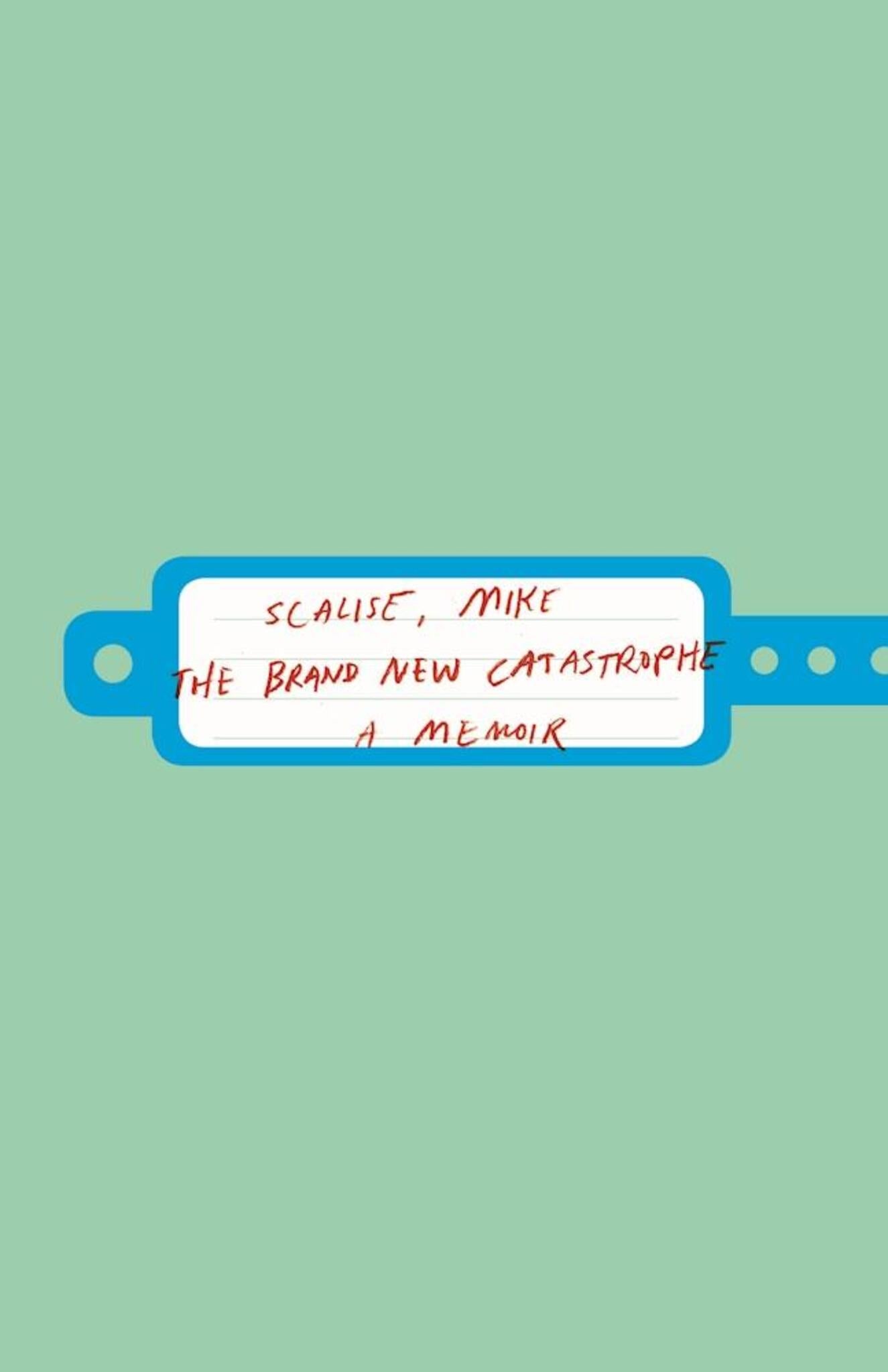
Brand New Catastrophe by Mike Scalise (Sarabande Books)
In his twenties, a pituitary tumor turned Mike Scalise's body into a lifelong management project, and his memoir flatly refuses to play it for tragedy. Winner of the Center for Fiction's Doheny Prize, it's a funny, restless account of living with a rare chronic condition, and of the family history that came bundled with it.
Family Ties
Disability at the scale of a single household, where the love is complicated and the care is daily.
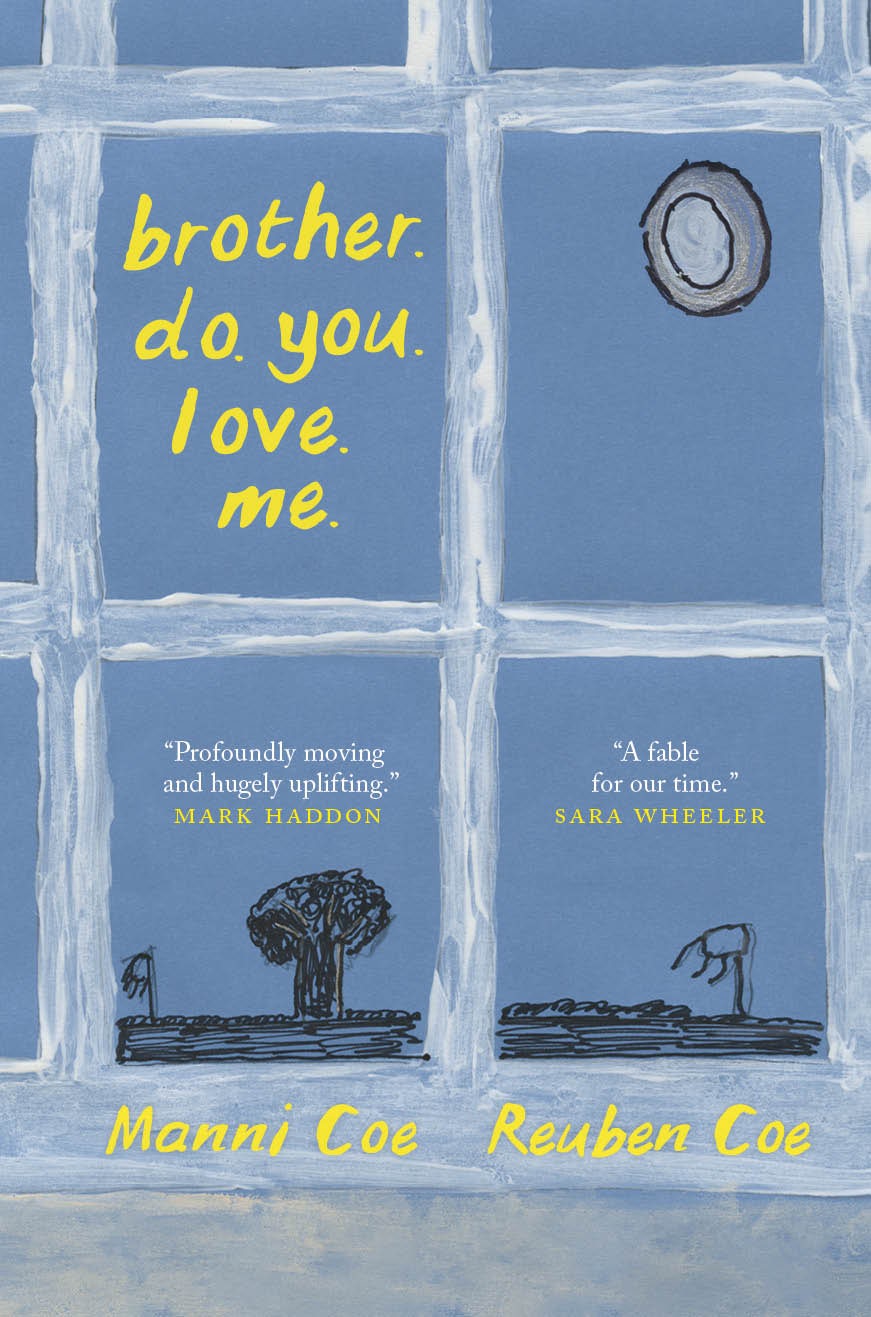
brother. do. you. love. me. by Manni Coe, illustrated by Reuben Coe (Greystone Books)
After a year of near-silence in a care home during lockdown, Reuben, who has Down syndrome, texted his brother four words: brother. do. you. love. me. Manni left his life in Spain and brought him home to a cottage in the countryside. What follows is a tender, unsparing account of loving someone back to themselves, with Reuben's own felt-tip drawings throughout. Shortlisted for the British Book Awards.
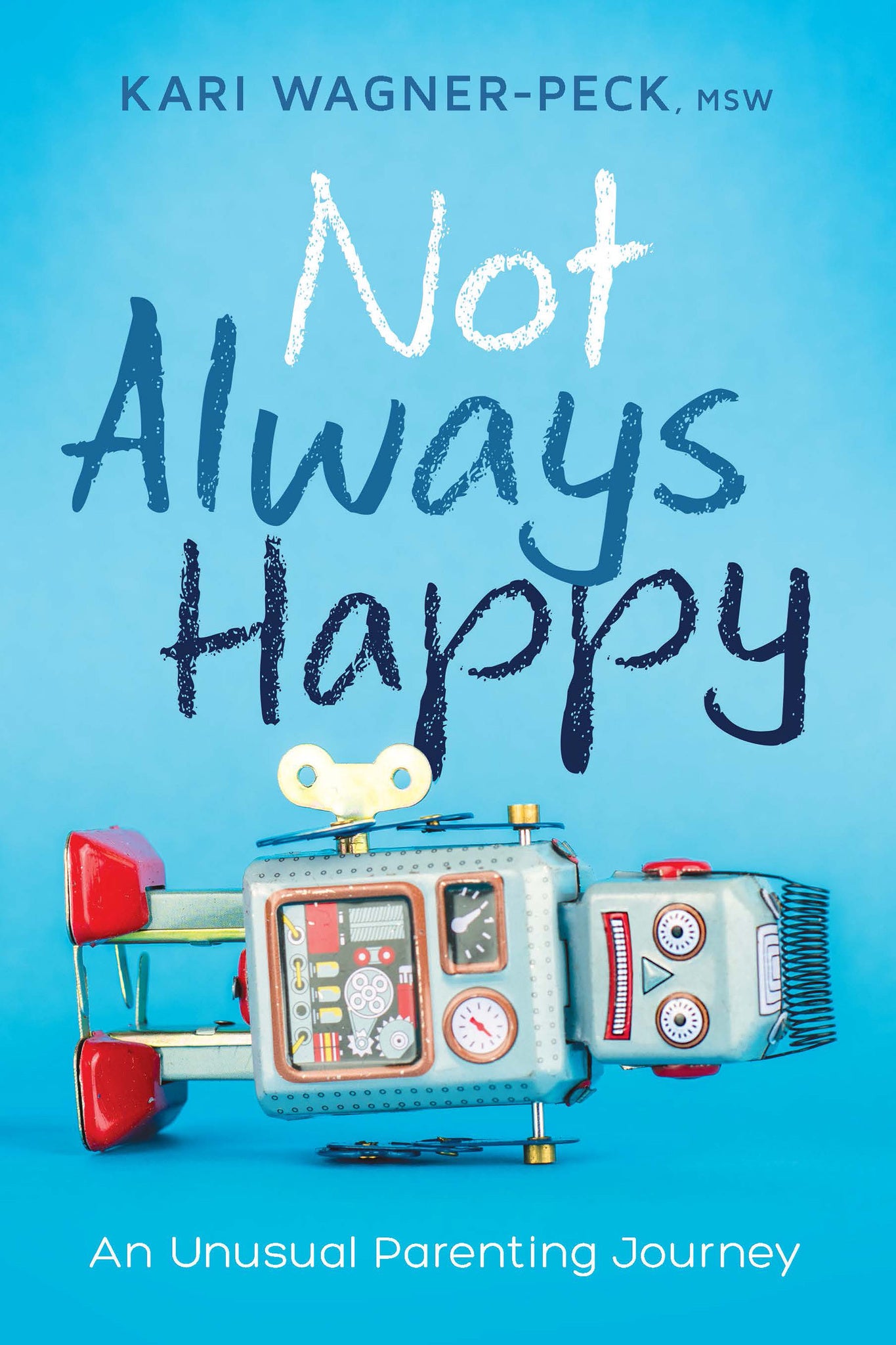
Not Always Happy: An Unusual Parenting Journey by Kari Wagner-Peck (Central Recovery Press)
Kari Wagner-Peck met her son for the first time in the reception area of an administrative building, not a delivery room, and her memoir of adopting and raising a boy with Down syndrome is as sharp and funny as it is honest. A clear-eyed corrective to every sentimental story you've ever been handed about disability and family.
Minds of Their Own
Neurodivergence, from three writers the textbooks were never really built to describe.
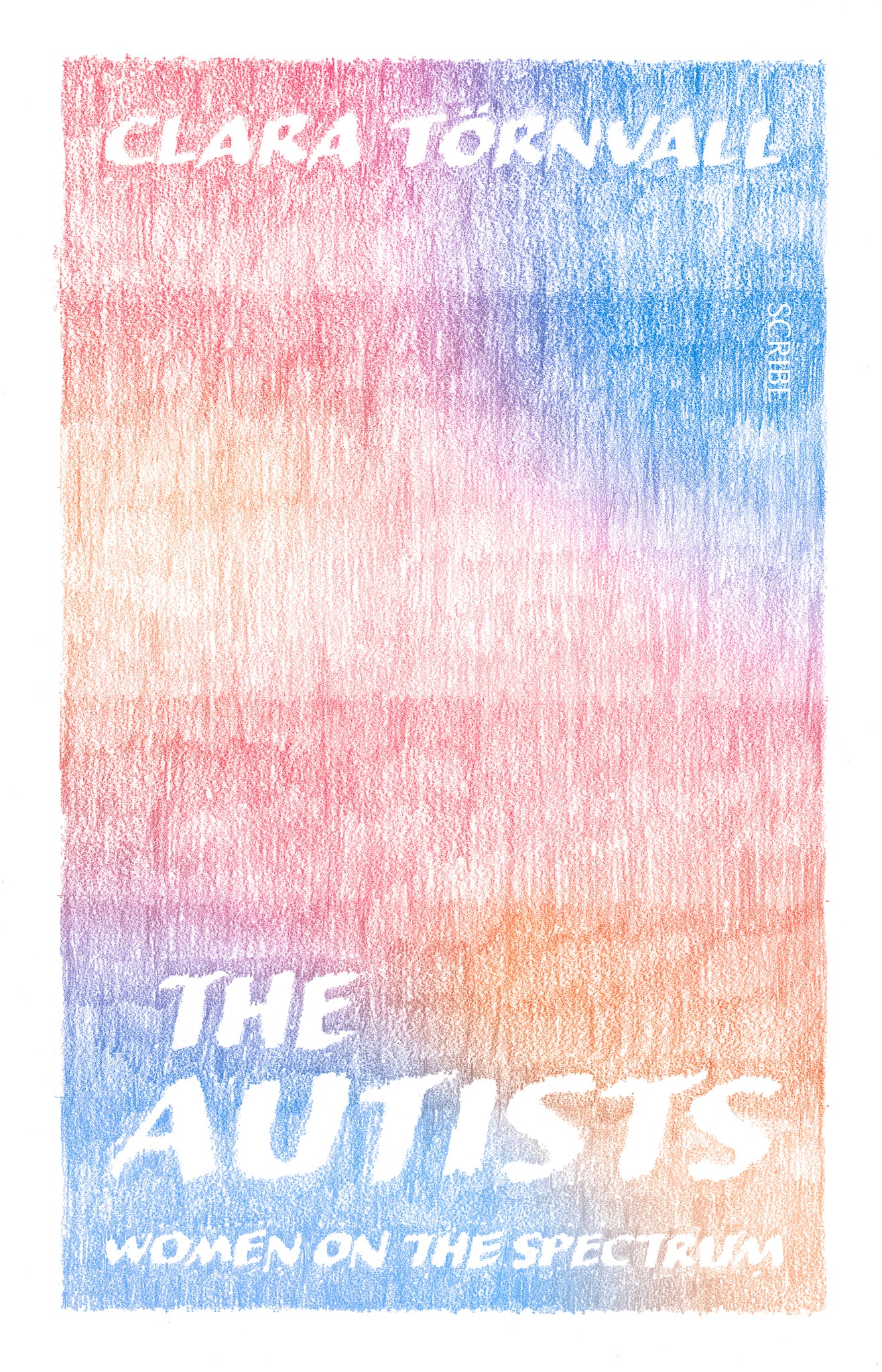
The Autists: Women on the Spectrum by Clara Törnvall (Scribe)
Diagnosed with autism at 42, Clara Törnvall went looking for the women left out of the story, because for decades autism was treated as a boys' condition and girls simply slipped through. Part memoir and part cultural history, it re-reads art, film, and literature through an autistic lens and asks what we've all been missing. Translated from the Swedish.
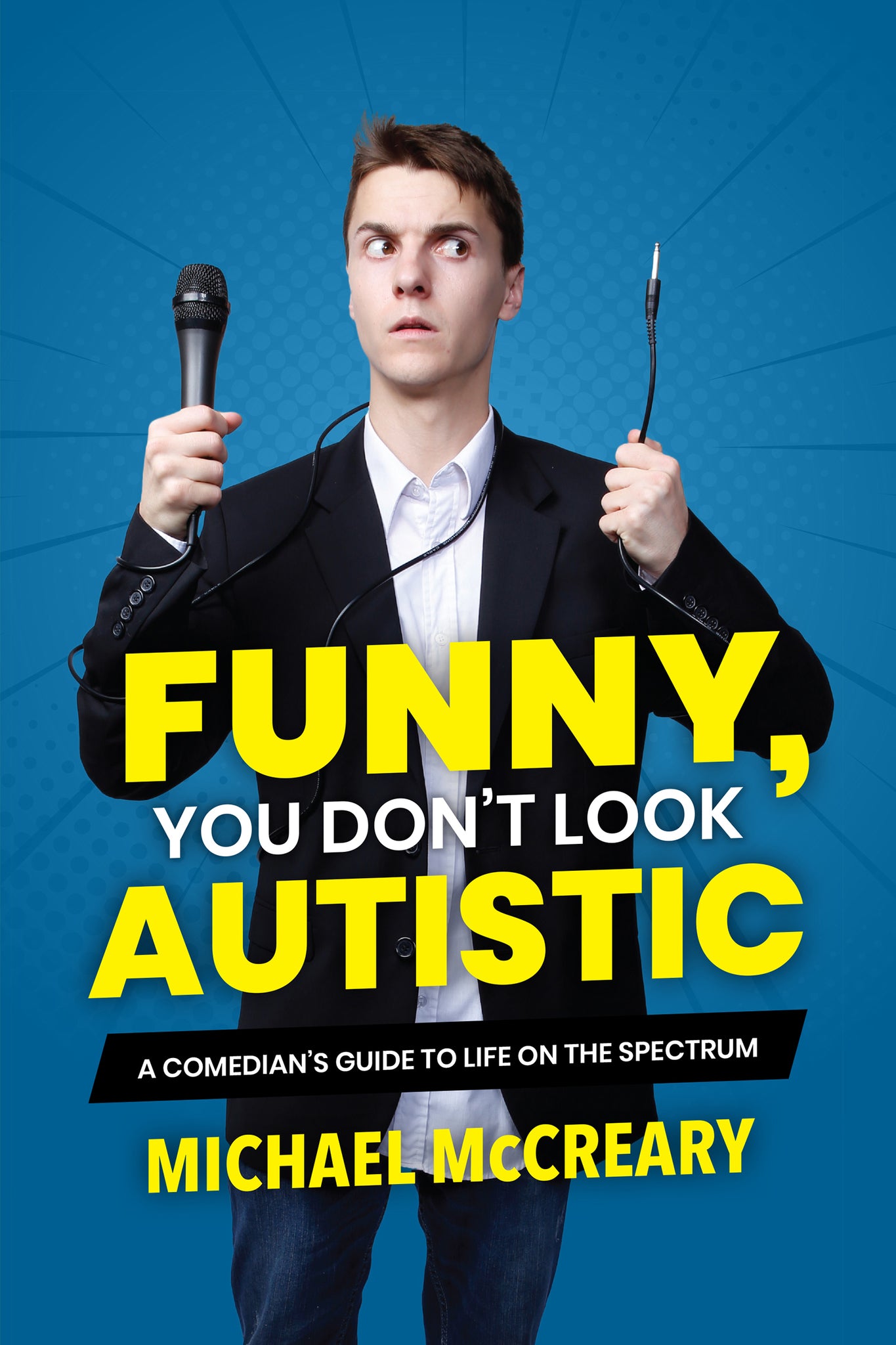
Funny, You Don't Look Autistic: A Comedian's Guide to Life on the Spectrum by Michael McCreary (Annick Press)
Stand-up comic Michael McCreary has heard "but you don't look autistic" more times than he can count. His teen-friendly memoir turns a life on the spectrum into comedy without turning it into a punchline: warm, quick, and a fine on-ramp for younger readers and their families alike.
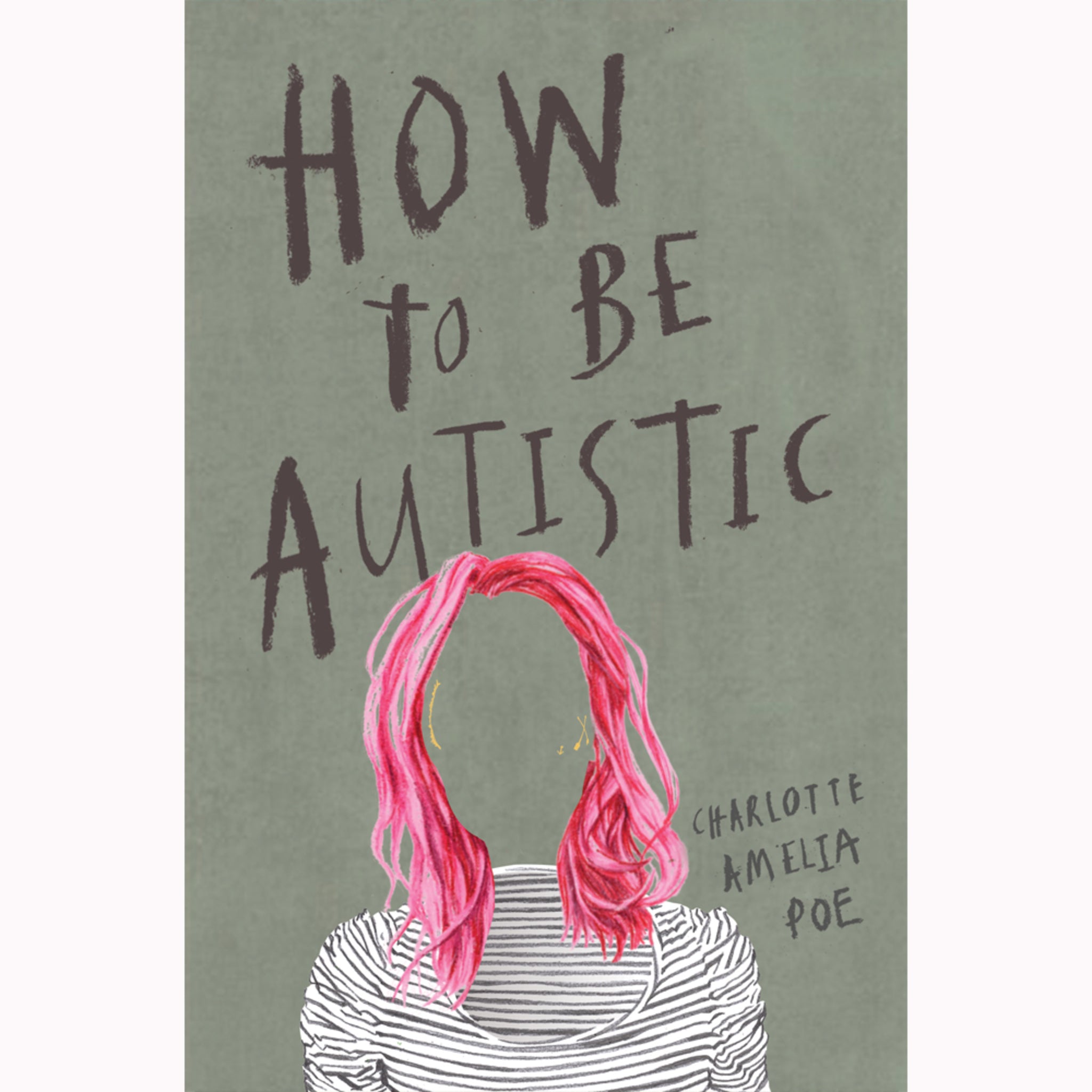
How To Be Autistic by Charlotte Amelia Poe (New Internationalist)
Charlotte Amelia Poe's memoir moves through school, fandom, food, and the long work of naming an identity the world kept mislabeling. Raw and formally inventive, it's the story of arriving at "autistic" as something to claim out loud rather than to hide.
For Younger Readers
Disabled kids at the center of the story, where they belong, and not a single "overcoming" arc in sight.
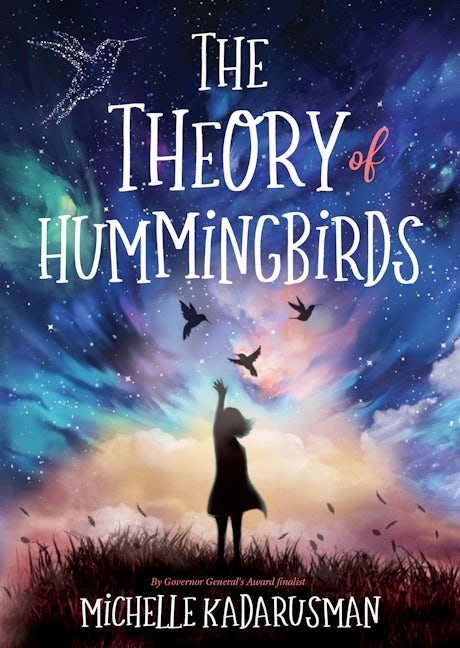
Theory of Hummingbirds by Michelle Kadarusman (Pajama Press)
In the author's own framing, this middle-grade novel isn't about overcoming disability but about becoming your truest self. Alba, born with a clubfoot, would rather run her race than be "fixed," in a warm, funny story from a Governor General's Literary Award finalist. (Ages 9 to 12.)
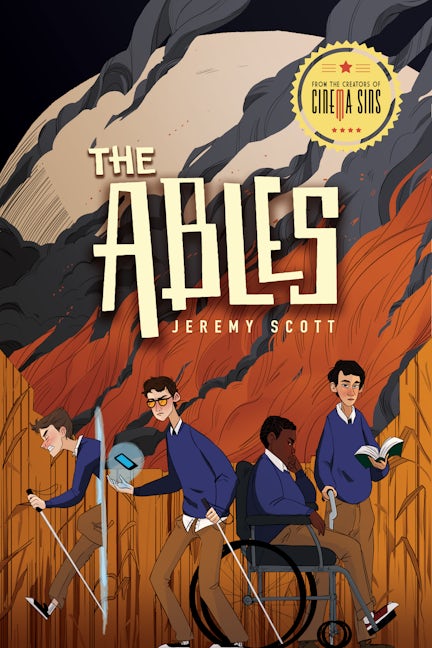
The Ables by Jeremy Scott (Turner Publishing)
A blind teenager discovers he has superpowers, along with a whole class of disabled kids who do too, if the grown-ups would just stop underestimating them. A fast, funny superhero adventure that finally puts disabled kids at the center of the action. (Ages 10 to 14.)
That's thirteen books and six ways into a single idea, and barely a corner of what independent publishers are doing to widen the shelf. Disability is not one experience, and Disability Pride is not one story: it's a polio survivor in a protest line and an autistic writer at her desk, a Deaf essayist and a brother with a felt-tip pen, a kid who'd rather run than be fixed.
Pick the door that's closest to a book you already love, then let one of the others surprise you. Read one, or read all thirteen, and "pride" starts to sound less like a slogan and more like the only sensible response.
Happy reading!