


Some error occured while loading the Quick View. Please close the Quick View and try reloading the page.
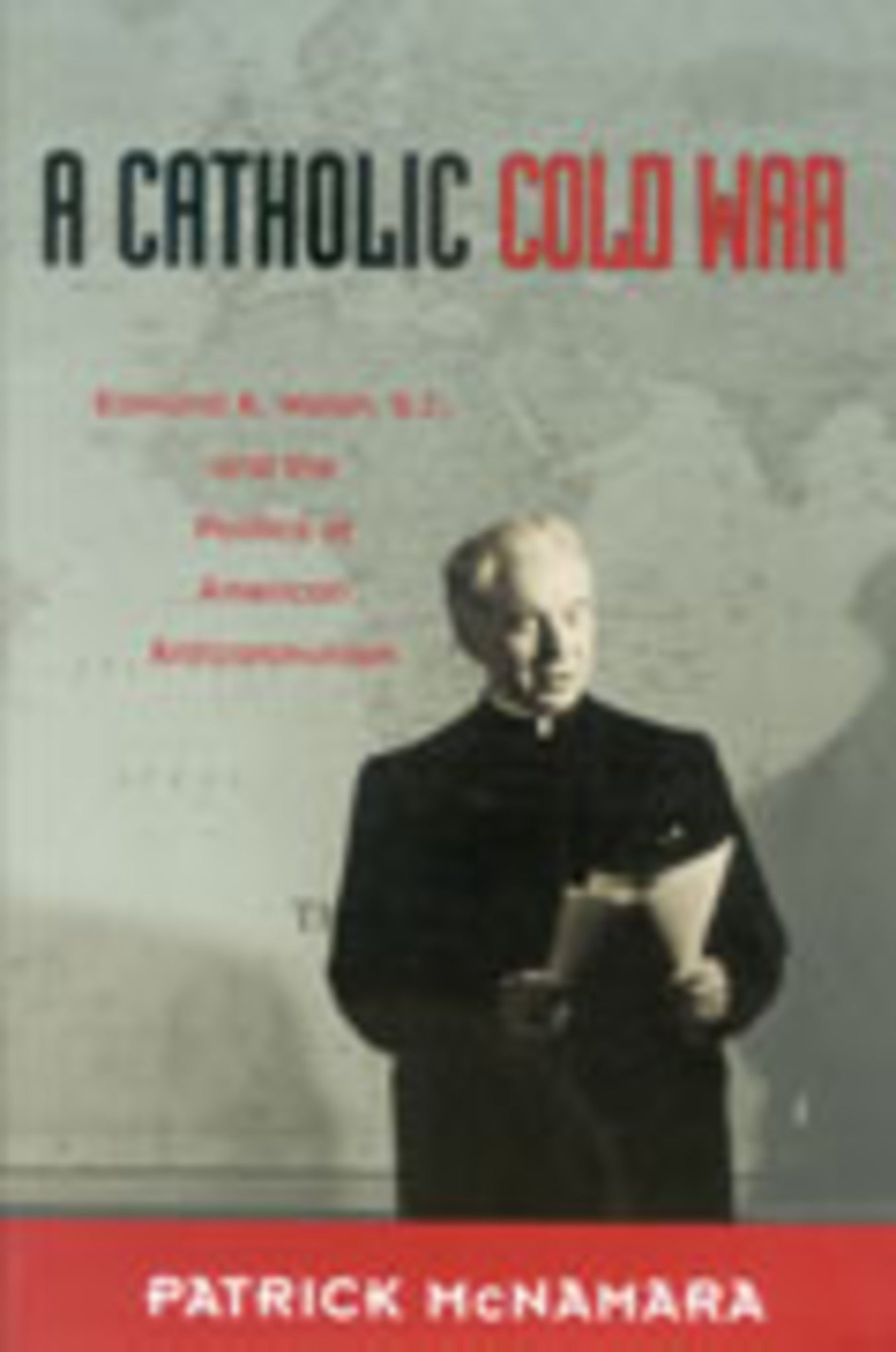
This book is the first biography in 42 years of the priest and educator whom
historians have called “the most important anticommunist in the country.”
Edmund A. Walsh, as dean of Georgetown College and founder in 1919 of its
School of Foreign Service, is one of the most influential Catholic figures of the
20th century. Soon after the birth of the Bolshevik state, he directed the Papal
Relief Mission in the Soviet Union, starting a lifelong immersion in Soviet and
Communist affairs. He also established a Jesuit college in Baghdad, and served
as a consultant to the Nuremberg War Crimes Tribunal.
A pioneer in the new science of geopolitics, Walsh became one of Truman’s most
trusted advisers on Soviet strategy. He wrote four books, dozens of articles, and
gave thousands of speeches on the moral and political threat of Soviet Communism
in America. Although he died in 1956, Walsh left an indelible imprint on the
ideology and practical politics of Cold War Washington, moving easily outside the
traditional boundaries of American Catholic life and becoming, in the words of one
historian, “practically an institution by himself.” Few priests, indeed few Catholics,
played so large a role in shaping American foreign policy in the 20th century.


“A major contribution to our knowledge of a man whose well-deserved reputation as one of America’s foremost experts on Soviet communism made him an influential voice in shaping American public opinion [on] the American response to Soviet foreign policy. . . .Walsh, rather than the lamentable Senator Joseph McCarthy, deserves to be regarded as the most important American Catholic anticommunist of the twentieth century.”---—Richard Gid Powers, Author of Not without Honor: The History of American Anticommunism
“Patrick McNamara’s thoroughly researched and crisply written biography is an important contribution to American political history."---—Charles R.Morris, Author of American Catholic: The Saints and Sinners Who Built America’s Most Powerful Church
...[McNamara] expertly blends an intellectual history of American and Catholicc anticommunism into the national political climate from World War I to the mid-1950's...
...[a] scrupulously researched book...