


Some error occured while loading the Quick View. Please close the Quick View and try reloading the page.
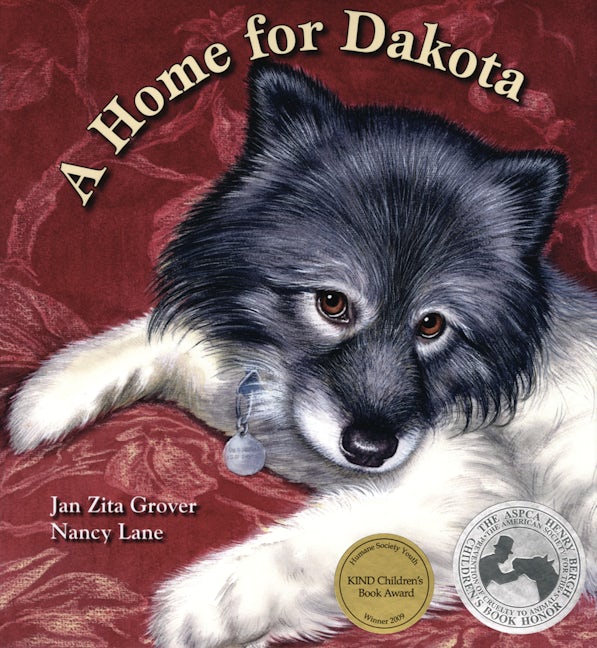
- Winner of The Humane Society of the US Youth KIND Award, best children's picture book of the year
- Honor Book, ASPCA Henry Bergh Award, Fiction, Companion Animals
Dog No. 241 lives in a crate in a cold, dark barn that is stacked with hundreds of other caged dogs in a puppy mill breeding operation. She has never known human companionship, exercise, or decent care. One night, rescuers arrive and take her and the other dogs away to lead new and happier lives. Soon, despite her fears, she finds herself in a warm, secure foster home, being bathed and groomed and loved by a young woman named Emma. At first, she is too frightened to respond; all she wants is to return to the familiar dark.
Eventually renamed Dakota, she learns to love and trust Emma, and her foster home becomes a friendly haven. But then a new challenge arrives in the person of a young girl, Sweetie, who is recovering from a misfortune as deep as Dakota’s own. Sweetie and her parents come to look at Dakota as a possible pet. Initially, Sweetie rejects hairless little Dakota, but later she returns to offer Dakota a home, and Emma recommends her for adoption. With Emma’s reassurances, Dakota goes to her forever home to become Sweetie’s true partner in recovery.
Jan Zita Grover, author of North Enough: AIDS and Other Clear-Cuts (1997) and Northern Waters (1999), both from Graywolf Press, has worked in canine rescue since 1973, specifically with discarded puppy mill breed dogs. Dakota is modeled on one of Jan’s own rescued dogs, Pixie.


“A Home for Dakota" is a poignant story of hope. The text and outstanding illustrations will help build understanding, empathy, and compassion in young readers toward both dogs and other children. This book is a must-read in elementary school classrooms and will be the springboard for valuable discussions and research.
Highly recommended.”
—Sheila Schwartz, EdD, Chairperson, United Federation of Teachers, Humane Education Committee, NYC