


Some error occured while loading the Quick View. Please close the Quick View and try reloading the page.
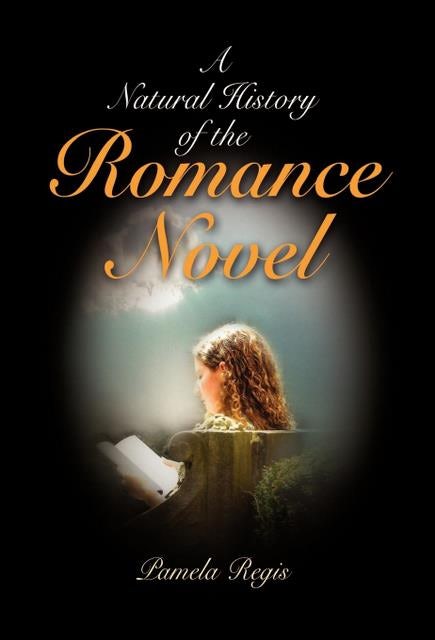
The romance novel has the strange distinction of being the most popular but least respected of literary genres. While it remains consistently dominant in bookstores and on best-seller lists, it is also widely dismissed by the critical community. Scholars have alleged that romance novels help create subservient readers, who are largely women, by confining heroines to stories that ignore issues other than love and marriage.
Pamela Regis argues that such critical studies fail to take into consideration the personal choice of readers, offer any true definition of the romance novel, or discuss the nature and scope of the genre. Presenting the counterclaim that the romance novel does not enslave women but, on the contrary, is about celebrating freedom and joy, Regis offers a definition that provides critics with an expanded vocabulary for discussing a genre that is both classic and contemporary, sexy and entertaining.
Taking the stance that the popular romance novel is a work of literature with a brilliant pedigree, Regis asserts that it is also a very old, stable form. She traces the literary history of the romance novel from canonical works such as Richardson's Pamela through Austen's Pride and Prejudice, Brontë's Jane Eyre, and E. M. Hull's The Sheik, and then turns to more contemporary works such as the novels of Georgette Heyer, Mary Stewart, Janet Dailey, Jayne Ann Krentz, and Nora Roberts.


Preface: The Most Popular, Least Respected Literary Genre
PART I. CRITICS AND THE ROMANCE NOVEL
1. The Romance Novel and Women's Bondage
2. In Defense of the Romance Novel
PART II. THE ROMANCE NOVEL DEFINED
3. The Definition
4. The Definition Expanded
5. The Genre's Limits
PART III. THE ROMANCE NOVEL, 1740-1908
6. Writing the Romance Novel's History
7. The First Best Seller: Pamela, 1740
8. The Best Romance Novel Ever Written: Pride and Prejudice, 1813
9. Freedom and Rochester: Jane Eyre, 1847
10. The Romance Form in the Victorian Multiplot Novel: Framley Parsonage, 1861
11. The Ideal Romance Novel: A Room with a View, 1908
PART IV. THE TWENTIETH CENTURY ROMANCE NOVEL
12. The Popular Romance Novel in the Twentieth Century
13. Civil Contracts: Georgette Heyer
14. Courtship and Suspense: Mary Stewart
15. Harlequin, Silhouette, and the Americanization of the Popular Romance Novel: Janet Dailey
16. Dangerous Men: Jayne Ann Krentz
17. One Man, One Woman: Nora Roberts
Conclusion
Works Cited
Index
Acknowledgments