


Some error occured while loading the Quick View. Please close the Quick View and try reloading the page.
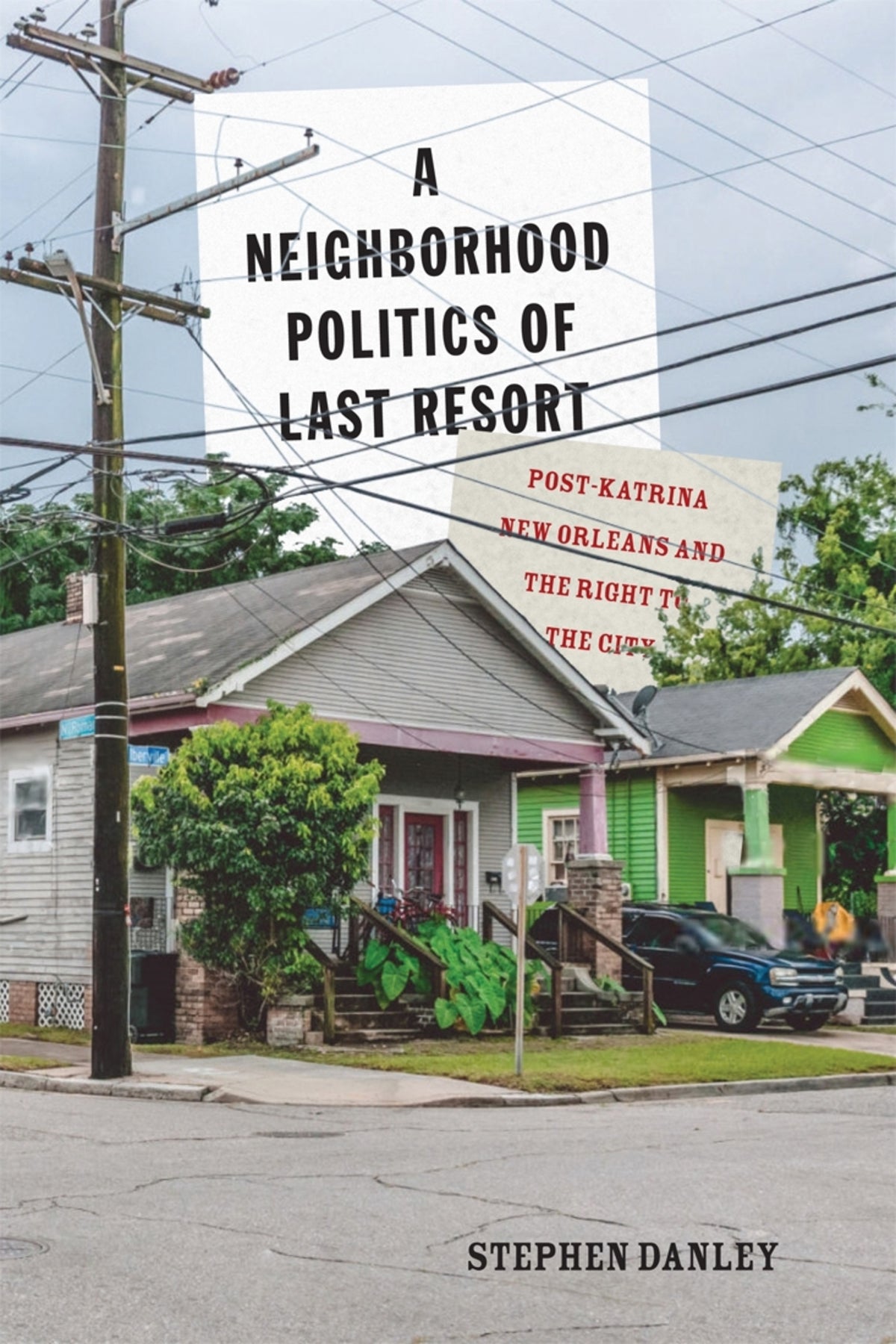
The steep rise in neighborhood associations in post-Katrina New Orleans is commonly presented in starkly positive or negative terms - either romanticized narratives of community influence or dismissals of false consciousness and powerlessness to elite interests.
In A Neighborhood Politics of Last Resort Stephen Danley offers a messier and ultimately more complete picture of these groups as simultaneously crucial but tenuous social actors. Through a comparative case study based on extensive fieldwork in post-Katrina New Orleans, Danley follows activists in their efforts to rebuild their communities, while also examining the dark underbelly of NIMBYism ("not in my backyard"), characterized by racism and classism. He elucidates how neighborhood activists were tremendously inspired in their defense of their communities, at times outwitting developers or other perceived threats to neighborhood life, but they could be equally creative in discriminating against potential neighbors and fighting to keep others out of their communities.
Considering the plight of grassroots activism in the context of national and global urban challenges, A Neighborhood Politics of Last Resort immerses the reader in the daily minutiae of post-Katrina life to reveal how multiple groups responded to the same crisis with inconsistent and often ad-hoc approaches, visions, and results.


"In A Neighborhood Politics of Last Resort: Post-Katrina New Orleans and the Right to the City, Stephen Danley delivers an in-depth, complex, yet clear description and analysis of the politics and power relationships between local leaders and powerful developers and city politicians. The aftermath of hurricane Katrina formed a unique situation; residents needed city services and politicians needed legitimacy. Danley, masterfully provides us with their understanding of grassroots politics and activism that illuminate our understanding of what American neighborhood leadership is all about. This book is a must for public administration, community practice, and political science audiences." Ram A. Cnaan, University of Pennsylvania, and co-editor of Handbook of Community Movement and Local Organizations in the 21st Century
"Backed by extensive fieldwork, long-term, in-depth participation in the processes under study, and an empathetic presentation of the participants' different needs and priorities, A Neighborhood Politics of Last Resort addresses popular questions in political science and contributes greatly to ongoing discussions about the nature of political participation." Howard Lune, Hunter College, City University of New York