


Some error occured while loading the Quick View. Please close the Quick View and try reloading the page.
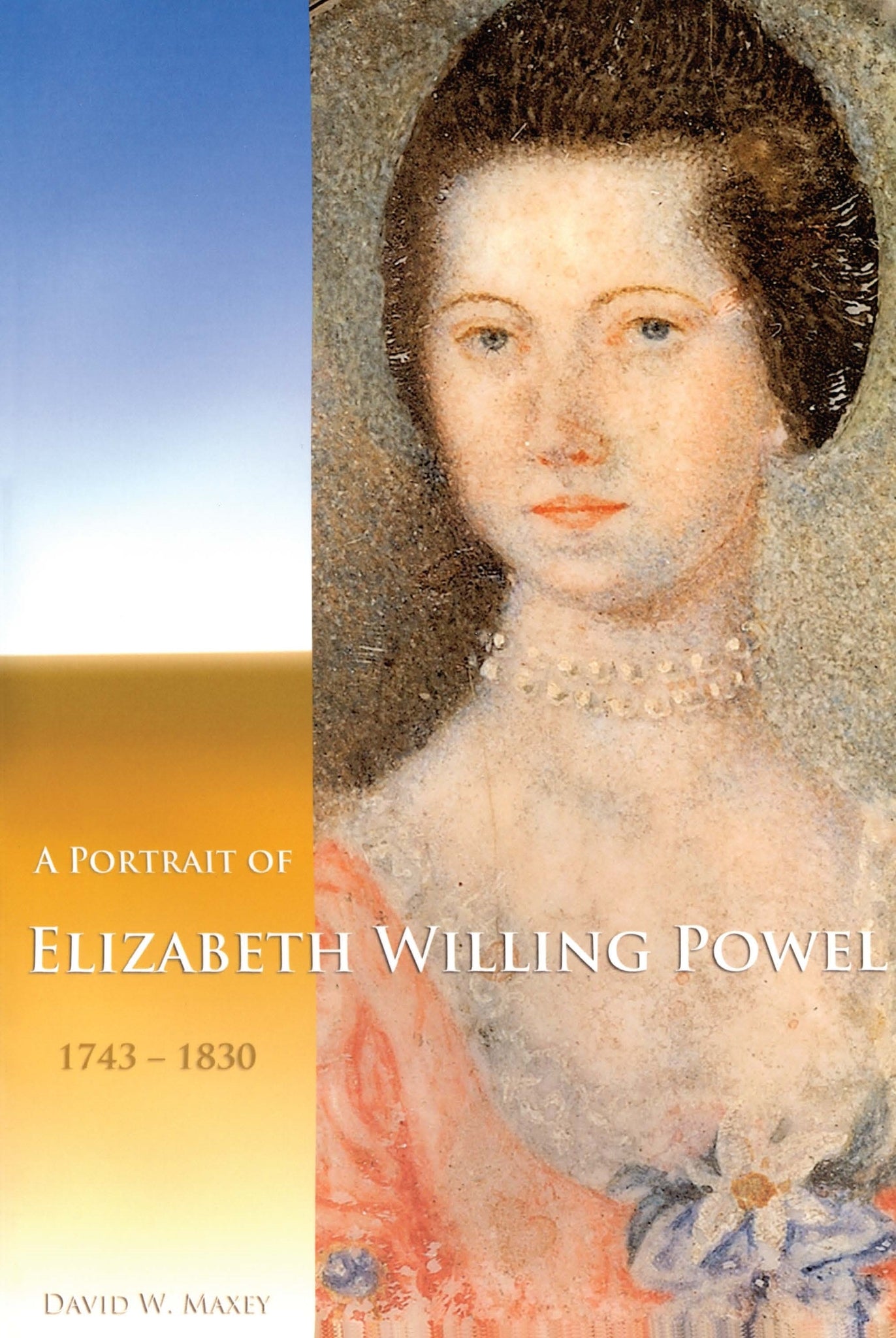
Drawing on original manuscript sources, Maxey has produced a persuasive study of a late-18th-century portrait and its subject. He has focused attention on an enigmatic painting, and the person portrayed in it -- a woman of talent and verve, whose life has remained undeservedly obscure. Elizabeth Willing Powel presided over a salon; spoke her mind freely; and maintained, for a period of 40 years, an extensive, illuminating correspondence. She was the trusted confidante of the country’s first president, whom she did not hesitate to instruct on where duty summoned him. At a critical moment, the Philadelphia painter, Matthew Pratt, was commissioned to capture on canvas the grief she experienced. Color portrait.

Price: $29.99
Pages: 106
Publisher: University of Pennsylvania Press, Inc.
Imprint: The American Philosophical Society Press
Series: Transactions of the American Philosophical Society
Publication Date:
01 January 2006
Trim Size: 10.00 X 7.00 in
ISBN: 9780871699640
Format: Hardcover
BISACs:
ART / Subjects & Themes / Portraits

"[T]his well-written, thoroughly researched, beautifully produced volume on Elizabeth Willing Powel’s life is especially welcome…A must-read for anyone interested in the history of women and families in Philadelphia during the revolutionary and early republic periods, and an essential addition to the staff reading lists of any museum that hopes to go beyond the superficial into a true understanding of how objects can inform us about the past."
— George W. Boudreau
— George W. Boudreau