


Some error occured while loading the Quick View. Please close the Quick View and try reloading the page.
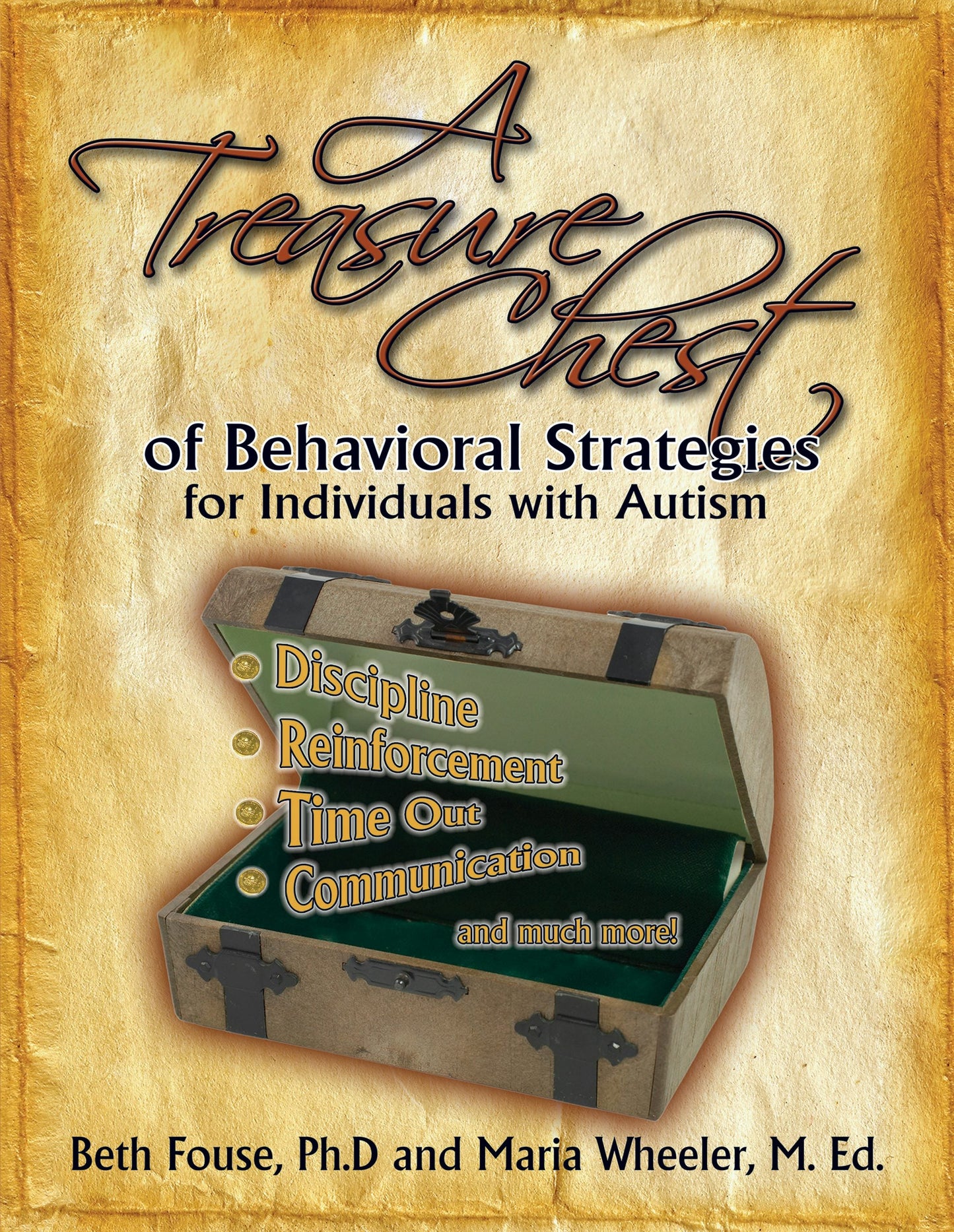
A cornucopia of ideas, strategies, and concepts that will apply to virtually any situation! The authors address sensory, communication, physical, and social-emotional issues by increasing desired behaviors and decreasing unwanted behaviors. You will learn how to
Whatever problems you face, you'll find helpful solutions to them in this book. This book should be on every teacher's and parent's bookshelf. Great reference source!


“At long last! A book on behavior strategies that was comprehensive, easy to understand and easy to use. Thank you Beth and Maria!"
Special Education Teacher
I. Impact of Autism Characteristics
A. Critical Characteristics Impacting Behavior
B. Impact on Home Environment
C. Impact on School Environment
II. What Does Communication Have to do With Behavior?
A. Communication Characteristics
B. Suggestions for Addressing Behavior Through Effective Communication Programs
C. Alternative Communication
D. Assistive Technology and Communication
E. Sign Language
F. Facilitated Communication
III. Sensory Issues and Behavior
A. Alertness
B. Hypersensitivities
C. Hyposensitivities
D. Dysfunctions in Specific Sensory Systems
E. Interventions for Sensory Issues
IV. Physiological Needs That May Impact Behavior
A. Medical
B. Medication Issues
C. Diets and Allergies
D. Vitamin Therapy
V. Social Skills and Social/Emotional Issues
A. Characteristics
B. Social Skills Training
C. Social Stories
D. Social Review
E. Comic Strip Conversations
F. Books
G. Peer Assisted Interventions
VI. Structuring the Environment for Success
A. Physical Environment
B. Routines and Rituals
C. Visual Cues
D. Schedules
E. Include a Sensory Diet
VII. Increasing Desired Behaviors
A. Functional Analysis
B. Antecedent Control
C. Self-regulation
D. Guidelines for Setting Up and Using a “Safe" Area
E. Using Consequences to Change Behaviors
F. Reinforcement
1. Reinforcer Assessments
2. Positive Reinforcement
3. Sensory Reinforcers
4. Social Reinforcers
5. Activity Reinforcers
6. Tangible Reinforcers
7. Token Systems
8. Negative Reinforcement
G. Developing New Behaviors
1. Task Analysis and Chaining
2. Backward Chaining
3. Successive Approximation
H. Compliance Training
1. Effective Cues
2. Three-step Prompting
3. Speak and Spin
4. Lovaas and Other Compliance Training Programs
VIII. Decreasing Unwanted Behaviors
A. Punishment Versus Negative Consequences
B. Ignoring Misbehavior
C. Differential Reinforcement
D. Behavioral Momentum
E. Time-Out
1. TOOTS
2. Contingent Observation
3. Isolated Time-Out
4. Exclusionary Time-Out
5. Delayed Time Loss
F. Response Cost
IX. Crisis Management and Other Special Problems
A. Early Warning Signs
B. Managing Meltdowns or Catastrophic Reactions
C. Aggression
1. Verbal Aggression
2. Physical Aggression
3. Self-injurious Behavior
D. Temper Tantrums
E. Self-stimulatory Behaviors
F. Running Away
G. Dramatic Exits
H. Safety Issues
I. Pica
J. Climbing
K. Other Special Problems
1. Feeding Issues
2. Stripping and Disrobing
3. Masturbation
4. Toilet Training
5. Sleep Problems
6. Obsessions and Compulsions
7. Fixations
X. Discipline Procedures and Behavior Intervention Plans
A. 1997 Amendments to IDEA
B. Behavior Intervention Plans
C. Common Mistakes Made by School Districts
D. Level Systems
XI. Putting It All Together
A. Observations
B. Behavior Descriptions
C. Measuring Progress
D. Reporting Information
E. Program Changes
F. Generalization Training
G. Fading Intervention
XII. Stress Management
XIII. Final Gems
Appendices
A. Behavior Intervention Plans
B. Data Collection Forms
C. Resources
Glossary
References