


Some error occured while loading the Quick View. Please close the Quick View and try reloading the page.
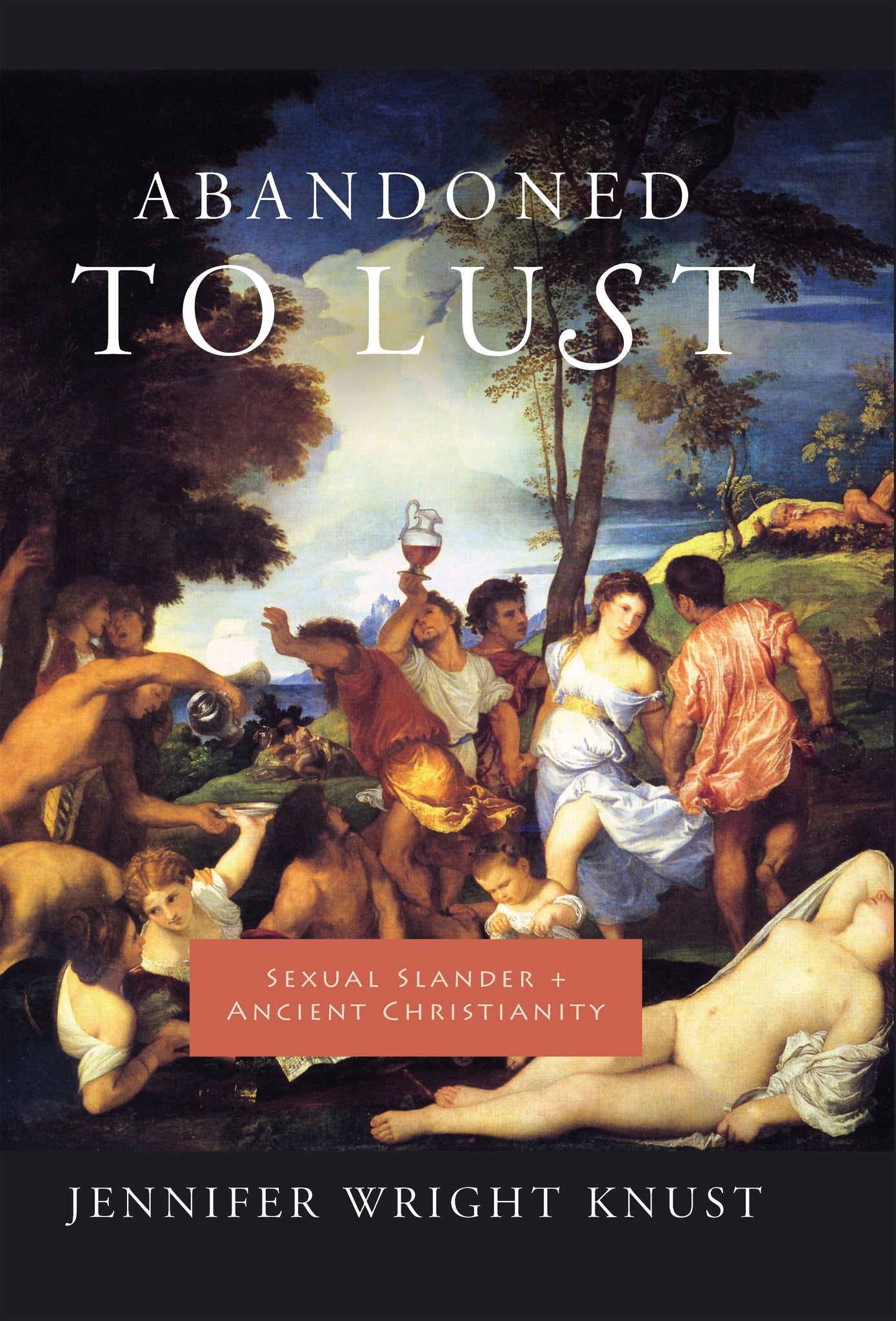
Early Christians used charges of adultery, incest, and lascivious behavior to demonize their opponents, police insiders, resist pagan rulers, and define what it meant to be a Christian. Christians frequently claimed that they, and they alone were sexually virtuous, comparing themselves to those marked as outsiders, especially non-believers and "heretics," who were said to be controlled by lust and unable to rein in their carnal desires. True or not, these charges allowed Christians to present themselves as different from and morally superior to those around them. Through careful, innovative readings, Jennifer Knust explores the writings of Paul, Justin Martyr, Irenaeus of Lyons, and other early Christian authors who argued that Christ alone made self-mastery possible. Rejection of Christ led to both immoral sexual behavior and, ultimately, alienation and punishment from God. Knust considers how Christian writers participated in a long tradition of rhetorical invective, a rhetoric that was often employed to defend status and difference. Christians borrowed, deployed, and reconfigured classical rhetorical techniques, turning them against their rulers to undercut their moral and political authority. Knust also examines the use of accusations of licentiousness in conflicts between rival groups of Christians. Portraying rival sects as depraved allowed accusers to claim their own group as representative of "true Christianity." Knust's book also reveals the ways in which sexual slurs and their use in early Christian writings reflected cultural and gendered assumptions about what constituted purity, morality, and truth. In doing so, Abandoned to Lust highlights the complex interrelationships between sex, gender, and sexuality within the classical, biblical, and early-Christian traditions.

Price: $75.00
Pages: 300
Publisher: Columbia University Press
Imprint: Columbia University Press
Series: Gender, Theory, and Religion
Publication Date:
November 9, 2005
ISBN: 9780231136624
Format: Hardcover
BISACs:
RELIGION / Christianity / History, RELIGION / Blasphemy, Heresy & Apostasy, HISTORY / Ancient / General, HISTORY / World

An original and provocative contribution to the ongoing study of rhetoric, identity, and power in the early Christian tradition.
— David M. Reis
Jennifer Wright Knust has written a thoughtful and well-argued book... It deserves to be read.
— Review of Biblical Literature
I highly recommend Knust's book.
— Gene G. James, University of Memphis
A careful and detailed study that deftly navigates a sizable number of early Christian texts.
— Benjamin Dunning
— David M. Reis
Jennifer Wright Knust has written a thoughtful and well-argued book... It deserves to be read.
— Review of Biblical Literature
I highly recommend Knust's book.
— Gene G. James, University of Memphis
A careful and detailed study that deftly navigates a sizable number of early Christian texts.
— Benjamin Dunning
Jennifer Knust is assistant professor of New Testament and Christian Origins at Boston University School of Theology.
Acknowledgments
List of Abbreviations
Introduction. Who's on Top? Sex Talk, Power, and Resistance
1. Sexual Slander and Ancient Invective
2. Paul, the Slaves of Desire, and the Saints of God
3. Sexual Vice and Christian Apologia
4. The False Teachers of the End Time
5. Illicit Sex, Wicked Desire, and the Demonized Heretic
Notes
Bibliography
Index