


Some error occured while loading the Quick View. Please close the Quick View and try reloading the page.
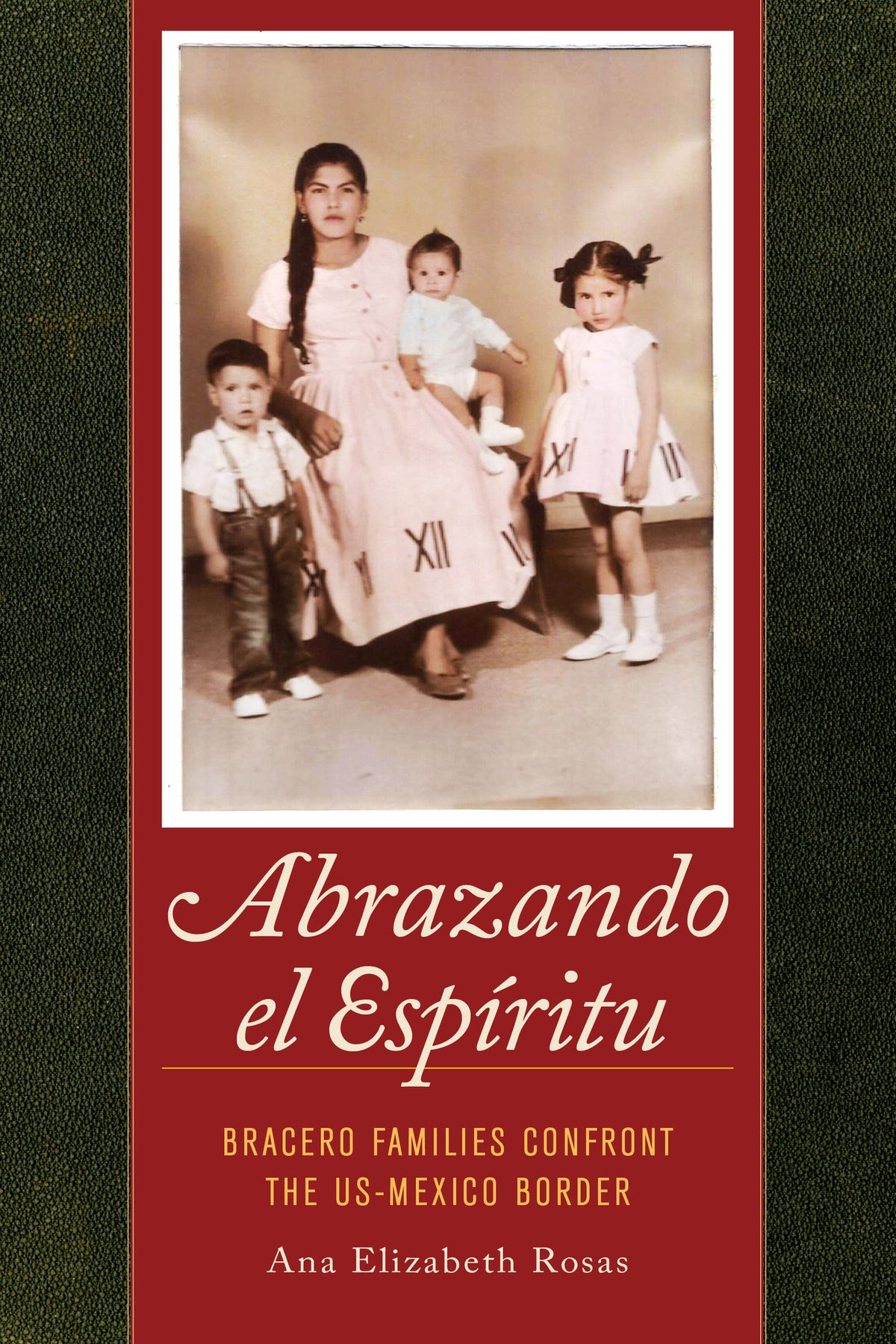
Structured to meet employers’ needs for low-wage farm workers, the well-known Bracero Program recruited thousands of Mexicans to perform physical labor in the United States between 1942 and 1964 in exchange for remittances sent back to Mexico. As partners and family members were dispersed across national borders, interpersonal relationships were transformed. The prolonged absences of Mexican workers, mostly men, forced women and children at home to inhabit new roles, create new identities, and cope with long-distance communication from fathers, brothers, and sons.
Drawing on an extraordinary range of sources, Ana Elizabeth Rosas uncovers a previously hidden history of transnational family life. Intimate and personal experiences are revealed to show how Mexican immigrants and their families were not passive victims but instead found ways to embrace the spirit (abrazando el espíritu) of making and implementing difficult decisions concerning their family situations—creating new forms of affection, gender roles, and economic survival strategies with long-term consequences.
Drawing on an extraordinary range of sources, Ana Elizabeth Rosas uncovers a previously hidden history of transnational family life. Intimate and personal experiences are revealed to show how Mexican immigrants and their families were not passive victims but instead found ways to embrace the spirit (abrazando el espíritu) of making and implementing difficult decisions concerning their family situations—creating new forms of affection, gender roles, and economic survival strategies with long-term consequences.

Price: $34.95
Pages: 298
Publisher: University of California Press
Imprint: University of California Press
Series: American Crossroads
Publication Date:
September 26, 2014
Trim Size: 9.00 X 6.00 in
ISBN: 9780520282674
Format: Paperback

"This is not just another book on the bracero “guest worker” program . . . Rosas fills a huge gap in the scholarship by focusing on the women and children of the families left behind . . . [and] humanizes Mexican migrant male workers."
— E. Hu-DeHart
"In an age when political rhetoric regularly characterizes temporary migrant laborers as direly threatening to the American economy and way of life, Rosas’s insistence upon their humanity provides a vital counterweight that is as well a salutary contribution to the fields of Mexican American, migration, gender and family, and social history studies."
Ana Elizabeth Rosas is Associate Professor and Director of Undergraduate Studies in the departments of History and Chicano-Latino Studies at the University of California, Irvine.
List of Illustrations
Acknowledgments
Introduction
Part One: Emergencies
1. Bracero Recruitment in the Mexican Countryside, 1942–1947
2. The Bracero Program as a Permanent State of Emergency
3. Special Immigration and the Management of the Mexican Family, 1949–1959
Part Two: Love and Longing
4. Government Censorship of Family Communication, 1942–1964
5. In Painful Silence: The Untold Emotional Work of Long-Distance Romantic Relationships and Marriages, 1957–1964
6. Hidden from History: Photo Stories of Love
Part Three: Decisive Measures
7. Awake Houses and Mujeres Intermediarias(Intermediary Women), 1958–1964
8. Ejemplar y sín Igual (Exemplary and without Equal): The Loss of Childhood, 1942–1964
9. Decididas y Atrevidas (Determined and Daring): In Search of Answers, 1947–1964
Epilogue: The Generative Potential of Thinking and Acting Historically
Notes
Bibliography
Index
Acknowledgments
Introduction
Part One: Emergencies
1. Bracero Recruitment in the Mexican Countryside, 1942–1947
2. The Bracero Program as a Permanent State of Emergency
3. Special Immigration and the Management of the Mexican Family, 1949–1959
Part Two: Love and Longing
4. Government Censorship of Family Communication, 1942–1964
5. In Painful Silence: The Untold Emotional Work of Long-Distance Romantic Relationships and Marriages, 1957–1964
6. Hidden from History: Photo Stories of Love
Part Three: Decisive Measures
7. Awake Houses and Mujeres Intermediarias(Intermediary Women), 1958–1964
8. Ejemplar y sín Igual (Exemplary and without Equal): The Loss of Childhood, 1942–1964
9. Decididas y Atrevidas (Determined and Daring): In Search of Answers, 1947–1964
Epilogue: The Generative Potential of Thinking and Acting Historically
Notes
Bibliography
Index