


Some error occured while loading the Quick View. Please close the Quick View and try reloading the page.
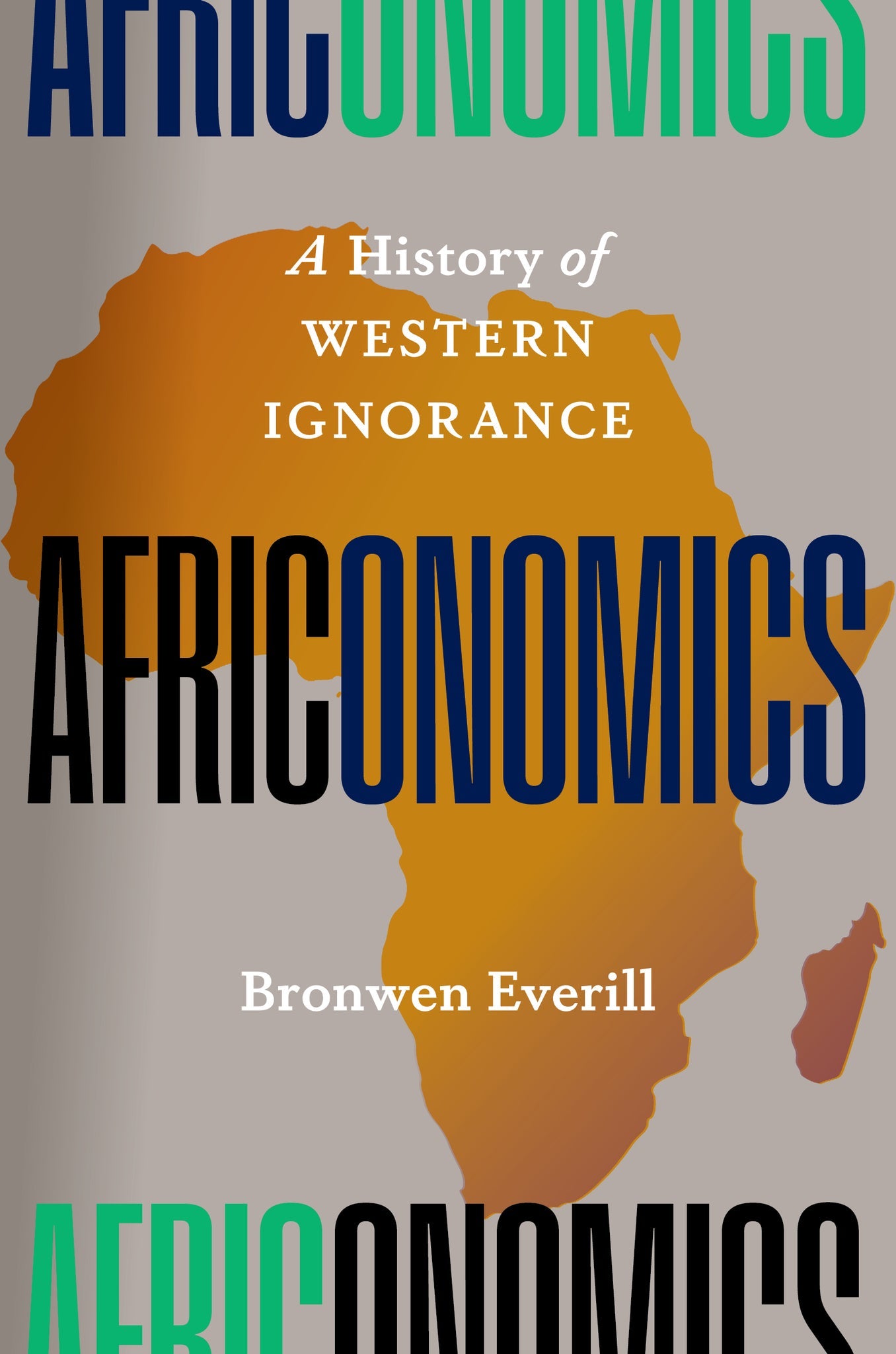
For centuries, Westerners have tried to “fix” African economies. From the abolition of slavery onward, missionaries, philanthropists, development economists, and NGOs have arrived on the continent, full of good intentions and bad ideas. Their experiments have invariably gone awry, to the great surprise of all involved.
Historian Bronwen Everill argues that these interventions fail, and frequently cause harm, because they start from a misguided premise: that African economies just need to be more like the West. Ignoring Africa’s own traditions of economic thought, Americans and Europeans assumed a set of universal economic laws that they thought could be applied anywhere. They enforced specifically Western ideas about growth, wealth, debt, unemployment, inflation, women’s work and more, and used Western metrics to find African countries wanting.
The West does not know better than African nations how an economy should be run. By laying bare the myths and realities of our tangled economic history, Africonomics moves from Western ignorance to African knowledge.


Praise for Africonomics:
Second Place Winner, BCA African Business Book of the Year
“In this eye-opening account, historian Everill outlines the biases, projections, misunderstandings, and irrationalities underlying Western economic intervention in Africa since the 18th century.”
—Publishers Weekly (starred review)
“A thought-provoking analysis of Africa’s relationship with economic imperialism.”
—Astrid Madimba and Chinny Ukata, authors of It’s a Continent
“Outstandingly analyzes the shortcomings of a certain approach to thinking about Africa, and . . . implicitly indicates the other side of the coin: the forces for change that will continue to shape the continent from within.”
—Kofi Adjepong-Boateng, Centre for Financial History, University of Cambridge
“An enlightening history of European attempts to apply economic theory to Africa. . . . The book provides an accessible overview of how ideas shape policy, often to the detriment of the societies involved.”
—Foreign Affairs