


Some error occured while loading the Quick View. Please close the Quick View and try reloading the page.
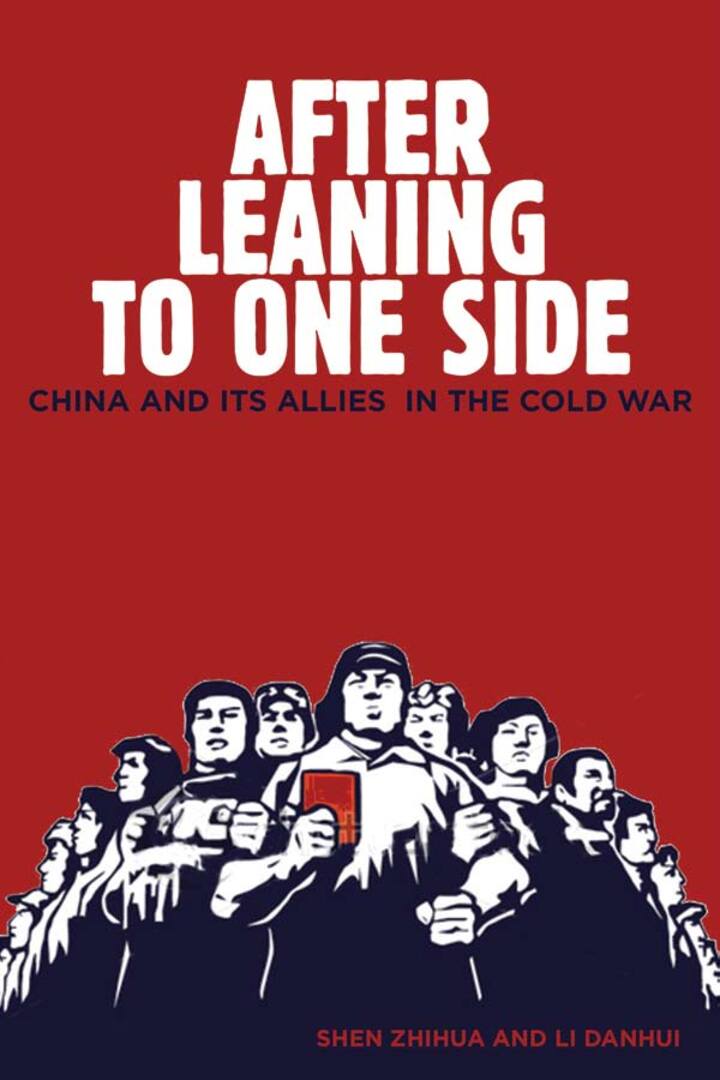
After Leaning to One Side traces the rise and fall of the Sino-Soviet alliance between 1949 and 1973, emphasizing tension over the Korean and Vietnam wars. Underscoring the theme of inherent conflict within the communist movement, this book shows that while that movement was an international campaign with an imposing theory and an impressive party structure, it was also a collection of sovereign states with disparate national interests. This book explains how this dissonance was further complicated by the unequal development of the Chinese and Soviet states and their communist parties, and traces some of China's actions to Mao's grasping at leadership of the communist movement after the death of Stalin.


"Often unmatched in their command of the Chinese and Russian sources, Shen and Li unpack the multilayered story of this difficult relationship, exposing previously unknown, or misunderstood, episodes, and shedding new light on dated historiographical debates. . . It is an important and lasting contribution to the field. . . Shen and Li's conclusions are likely to stand the test of time."—Sergey Radchenko, Pacific Affairs
"This book reflects the best of the scholarship by two serious Chinese scholars of the Cold War international history. Based on newly available archives and historical material in Beijing and Moscow, this book has detailed China's alliance relationships during the heydays of the Cold War. No existing study has tackled the same topic as thoroughly and solidly as this one."—Shu Guang Zhang, Professor and Vice Rector for Academic Affairs, Macau University of Science and Technology