


Some error occured while loading the Quick View. Please close the Quick View and try reloading the page.
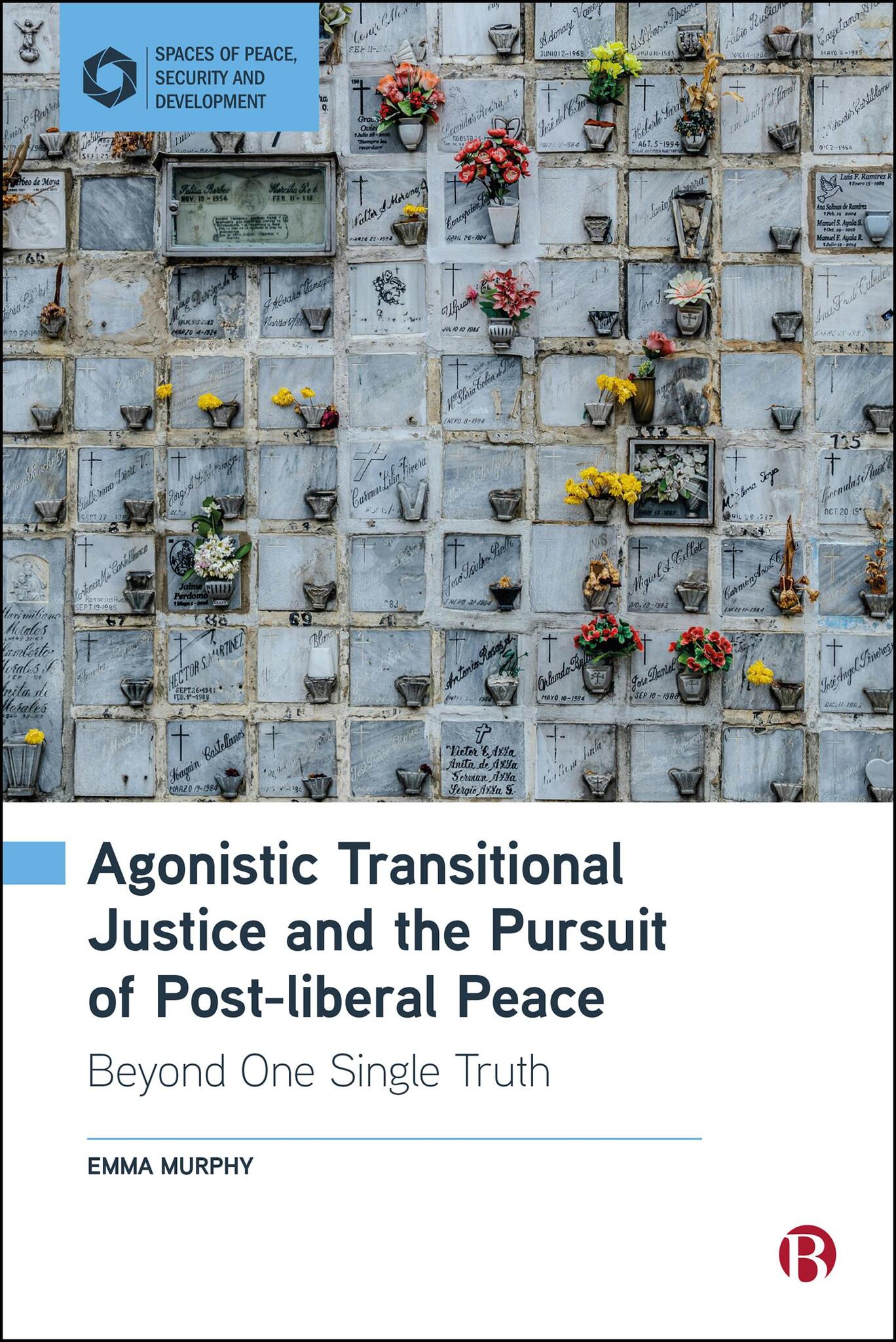
The liberal approach to transitional justice and peacebuilding has been widely critiqued for its shallow approach to gendered inclusion and inattention to local context, yet has historically remained dominant. This book puts forward an alternative framework: agonistic transitional justice.
Agonism embraces contestation and multiplicity rather than trying to work towards consensus or objectivity. To assess the feasibility of agonistic approaches as an alternative to the liberal model, the book compares three cases reflecting different degrees of institutional adoption: Colombia (high), Northern Ireland (mixed) and Uganda (minimal). Taking gender as an entry point, it examines how agonistic transitional justice addresses identity-based hierarchies, domination and oppression.
Combining theoretical innovation with original empirical research, the book offers insights for scholars and practitioners seeking alternatives to liberal peacebuilding and transitional justice.


Introduction
1. Theorising an Agonistic Transitional Justice with a Gender Lens
2. Operationalising an Agonistic Transitional Justice
3. ‘One Simple Truth Does Not Exist’: High Agonistic Design in Colombia
4. ‘Where Challenges Remain’: Mixed Agonistic Design in Northern Ireland
5. ‘What Kind of Justice Is This?’ Minimal Agonistic Design in Uganda
6. Comparative Lessons in Agonistic Design and Practice
Conclusion