


Some error occured while loading the Quick View. Please close the Quick View and try reloading the page.
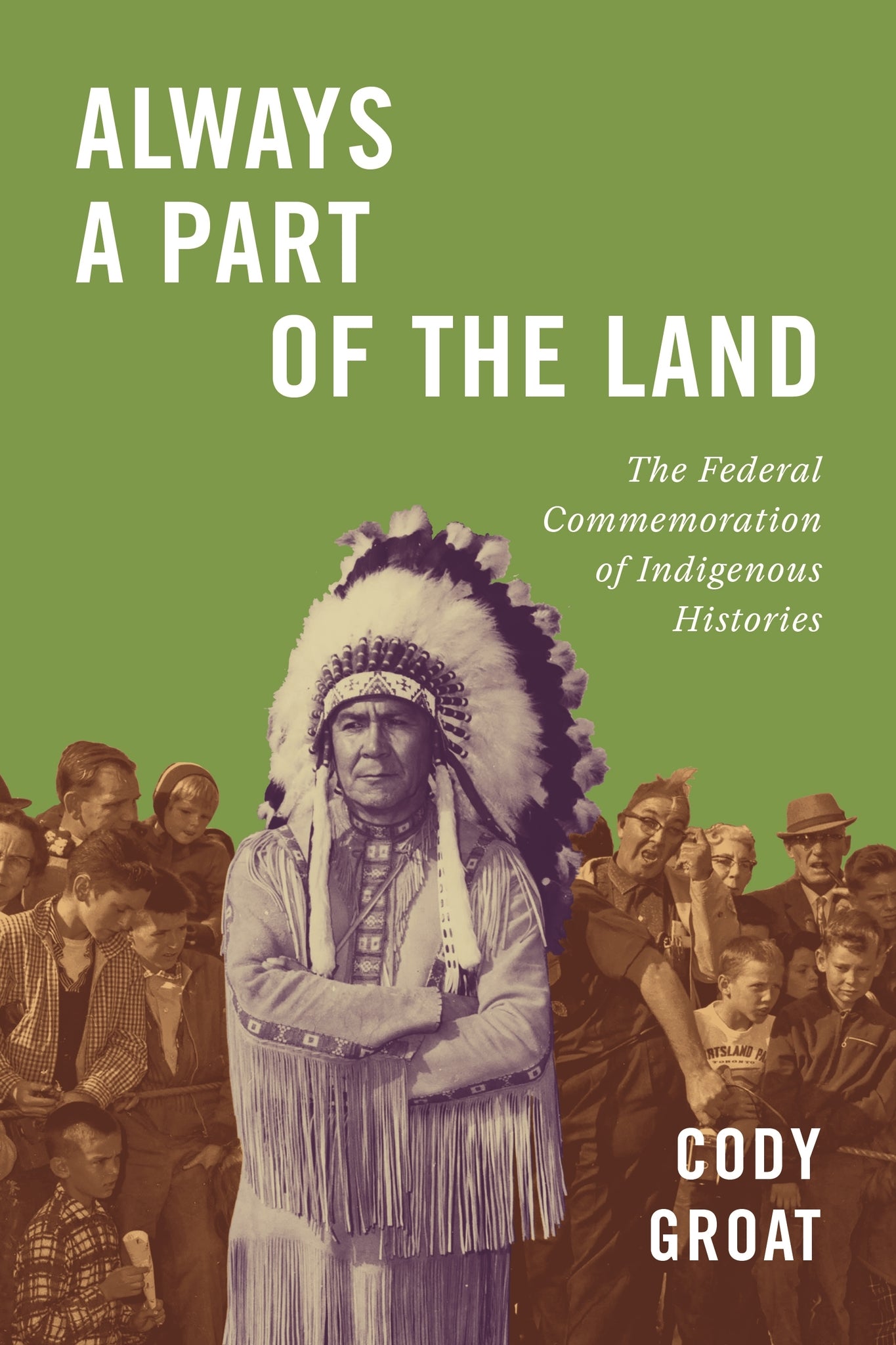
The commemoration of a nation’s past is a highly contested process, fraught with identity politics and competing interests. For over a century – even as the government of Canada denied them the rights to recognize or practise their cultures – Indigenous Peoples have challenged the often narrow and one-sided interpretations found in museums, at historic sites, or alongside statues or monuments.
Cody Groat demonstrates how the federal government actively shapes complex national narratives that are mediated through the perspectives of historians, elected officials, and leading civil servants. From the commemoration of the earliest human habitations in North America to the recognition of the Indian residential school system, the state has constructed a past imbued with patriotism and national pride. But Indigenous interests diverge from those of the state. From small acts of defiance, such as the refusal to share sacred knowledge, to open acts of resistance, such as the citizen’s arrest of an archaeologist, Indigenous people have long fought for the opportunity to share their stories as they know them.
Always a Part of the Land calls for a critical reinterpretation not only of the nation’s history but also of how we think about the past and how this shapes ongoing relationships between Indigenous Peoples and the state.


“This timely book illuminates the Canadian state’s evolving commemorative practices, which reinforce colonial narratives and silence Indigenous ways of knowing. It should be read by everyone trying to make sense of the current debates about the ‘rewriting of history,’ the culture wars, and historical presentism.” Nicole Neatby, Saint Mary’s University