


Some error occured while loading the Quick View. Please close the Quick View and try reloading the page.
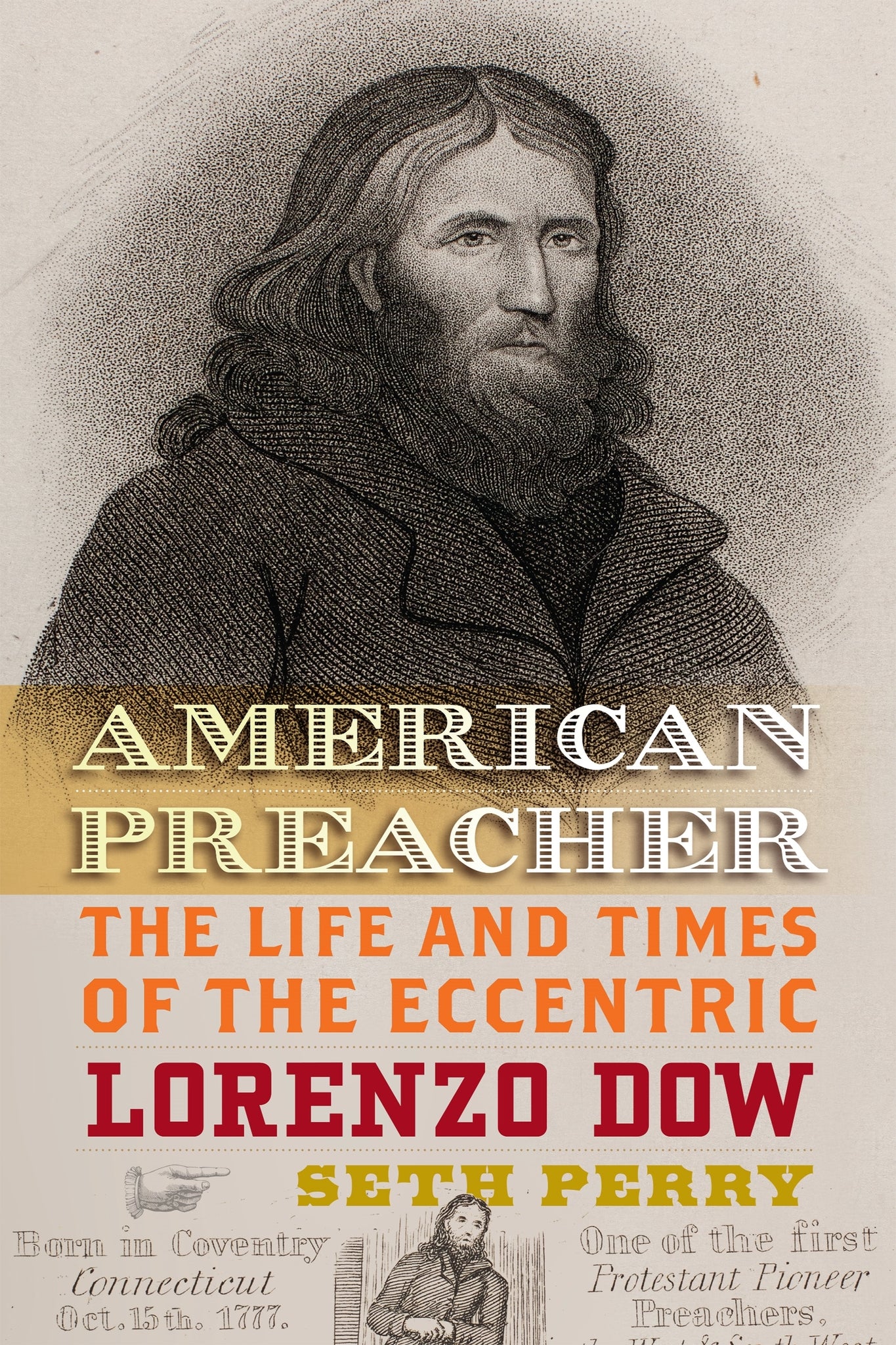
The story of how nineteenth-century preacher Lorenzo Dow helped create the aggressive Protestantism that now predominates in American culture
Lorenzo Dow was the most famous preacher in America of the early nineteenth century and one of the United States’ first truly national celebrities who did not owe his fame to feats of arms or of politics. Dow became famous, rather, by traveling and preaching constantly for three decades while cutting an eccentric figure. He was a character who got people’s attention, for better or for worse. In an era before mass media, the face and voice of “Crazy Dow” were recognizable in papers published from Natchez to Belfast. Dow’s ability to promote his own legend and his convoluted entanglements with Southern slavery—which he opposed while declining to promote abolitionism and ministering to the enslaved and enslavers alike—make his story crucial to an understanding of American religious history in all of its complexity. Yet mentions of Dow in histories of religion in America appear only in passing. To correct this gap, Seth Perry presents the first serious biography of a preacher who, in his day, was so famous that many thousands of men were named for him.
Today, contemporary Americans who find a “Lorenzo Dow” in their family trees likely have no idea where that name came from, but Dow was one of the most important creators of the brand of emotional, populist Protestantism that saturates twenty-first-century American politics and culture. His career brings into relief some aspects of that brand’s confident and aggressive effrontery and its capacity to create and exploit a market of faith. As a celebrity preacher who transcended denominational lines, Dow is a crucial link in a chain that connects the revivals of George Whitefield in the eighteenth century to Billy Sunday, Aimee Semple McPherson, and Billy Graham in the twentieth. Perry demonstrates how Dow’s mode of populist appeal vibrates through subsequent eras of American religion, politics, and popular culture, including our own.


"“In a narrative pulsing with wry analysis and captivating archival discoveries, Seth Perry conveys the remarkable life of both Lorenzo Dow and religion in the early American republic. Perry refuses to allow these stories to be flattened into simple narratives of democratizing Christianity or of cynical coercion. Instead, Perry digs into the paradox of Dow’s life and teachings—his embrace of messages of both freedom and submission—to describe the emergence of 'American Protestant effrontery.' Highlighting Dow’s indefatigable zeal to prescribe a certain faith while, at the same time, refusing any critique of his own work, Perry shows how the Protestantism of Dow and his fervent admirers set the stage for an American obsession with individual self-determination accompanied, paradoxically, by officious revivalist intervention. Perry’s book is a must-read for scholars of American religion and the early American republic."