


Some error occured while loading the Quick View. Please close the Quick View and try reloading the page.
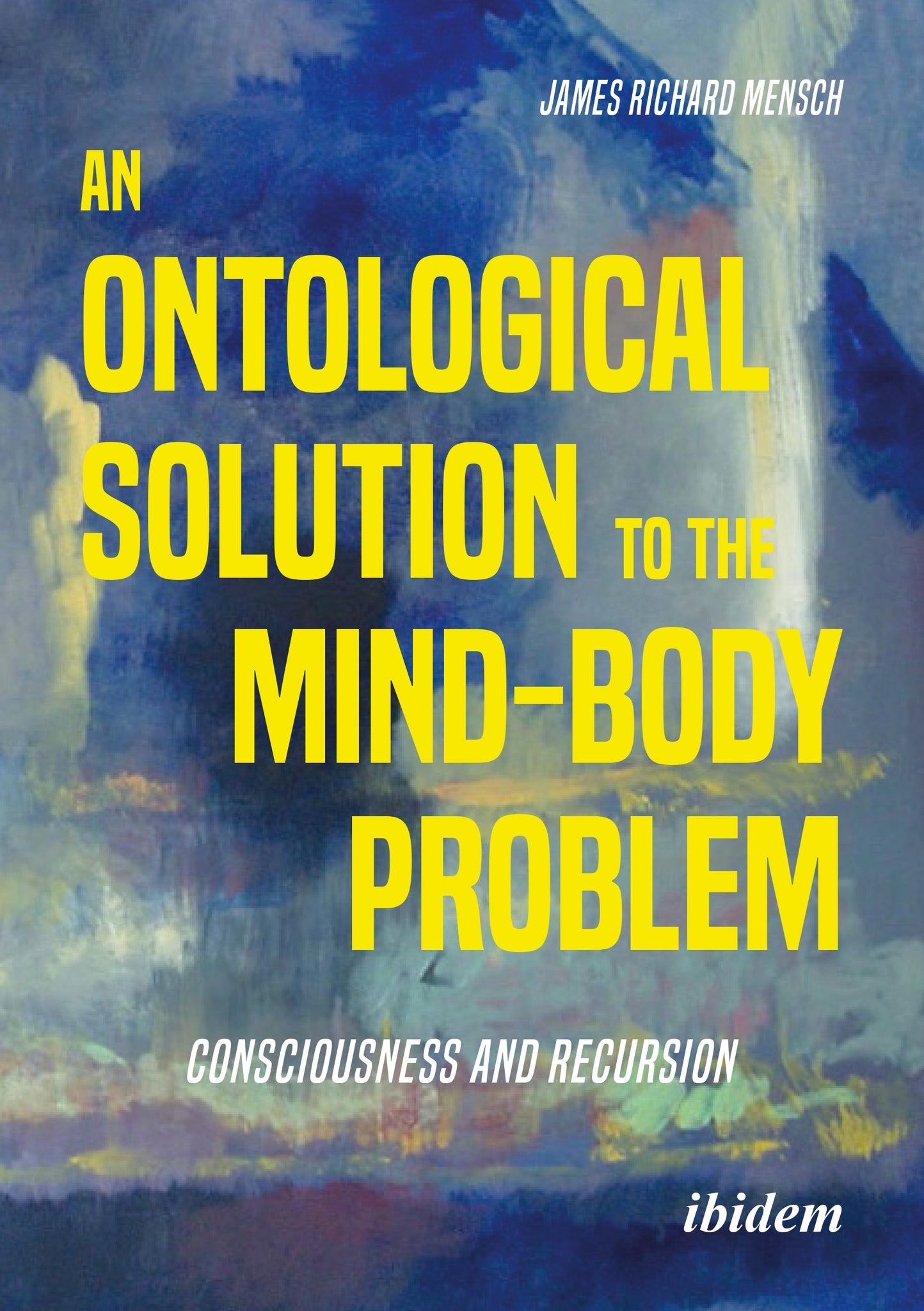
This book approaches the mind-body problem from the perspective of an extended phenomenological analysis of consciousness. Its goal is to show how the very definition of mind involves embodiment. Just as words cannot be defined without syllables, and syllables without the letters composing them, the sense of consciousness includes its embodiment. The two, it is argued, are not definitionally distinct. The emphasis on the point is meant to prepare the reader for the core thesis of this book: This is that the classic statements of the mind-body problem are based on an artificial separation of consciousness and its embodiment. This separation is reflected in the view that associates consciousness with temporal relations and the material world with spatial relationships. James Mansch’s aim is to undercut this view and to show that time and space—and, hence, consciousness and its embodiment—are mutually implicit; it is, further, to propose an explanatory bridge between the two that is based on their mutual implication.

Price: $34.00
Pages: 214
Publisher: Ibidem Press
Imprint: Ibidem Press
Series: Body and Consciousness
Publication Date:
June 2, 2026
Trim Size: 8.27 X 5.83 in
ISBN: 9783838221359
Format: Paperback
BISACs:
PHILOSOPHY / General, PHILOSOPHY / Mind & Body, PHILOSOPHY / Movements / Phenomenology

James Mensch is Professor Emeritus of Philosophy at Charles University in Prague. His main areas of research are phenomenology and its contemporary social and political applications. He is the author of fifteen books, the most recent being Husserl’s Phenomenology. A member of Central European Institute of Philosophy, he has also published over a hundred scholarly articles.