


Some error occured while loading the Quick View. Please close the Quick View and try reloading the page.
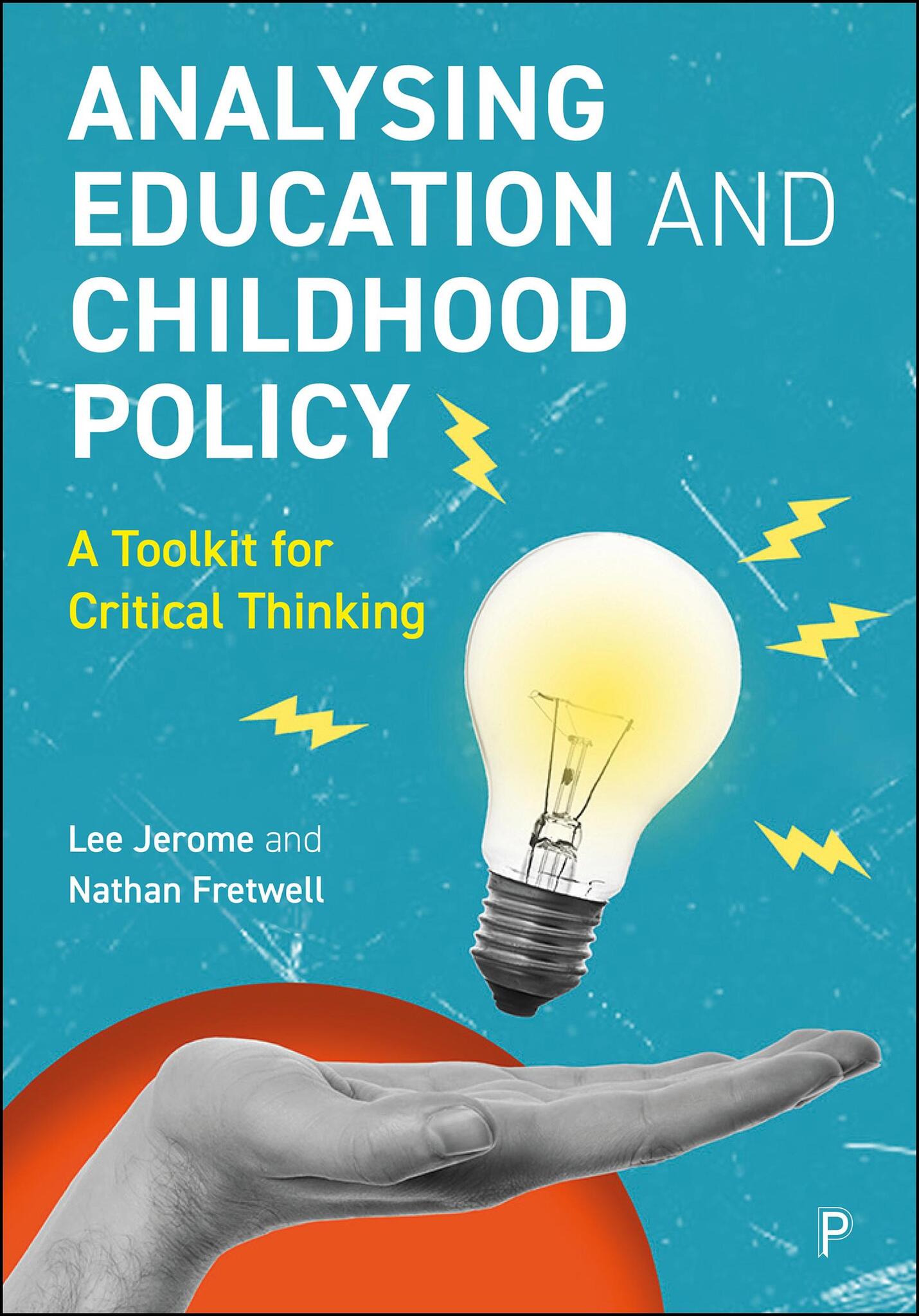
Who decides what happens in classrooms, early years settings and children’s services – and on what basis? Policy influences every aspect of childhood and education provision, yet it often recedes into the background of discussions about how schools and other settings should run, what teachers should do, how assessment should happen and how professionals should engage with parents.
Demystifying what policy is, how it works and how it can be critically interrogated using a coherent multi-lens framework, this textbook supports readers to identify the ideas, values and power relations embedded in education and childhood policy.
The book features:
• clearly explained policy lenses linked to theory and research;
• practical toolkits with guided questions to support structured analysis; and
• applied case studies and practitioner insights showing how policy is interpreted, enacted and sometimes resisted in practice.
Accessible yet intellectually rigorous, this book encourages readers to think about their own agency in shaping policy on the ground as they (re)interpret, implement and sometimes subvert policy.


"A must-read for childhood and education scholars and practitioners, regardless of prior knowledge. This book is packed with tools for critical policy analysis and application in real-world contexts.” - Marianna Stella, University of Suffolk
Lee Jerome is Professor of Citizenship and Children’s Rights Education at Middlesex University.
Nathan Fretwell is Lecturer in Inclusion, Childhood and Youth at the University of Leeds.
1. Introduction
2. Thinking about the relationship between policy and evidence
3. Thinking about policy from the top-down
4. Thinking about policy from the bottom-up
5. Thinking about policy glocalization
6. Thinking about policy as narrative
7. Thinking about policy genealogically
8. Thinking about policy as politics
9. A Toolkit for Policy Analysis