


Some error occured while loading the Quick View. Please close the Quick View and try reloading the page.
A multi-disciplinary investigation of the links between people and animals, in reality and representation.
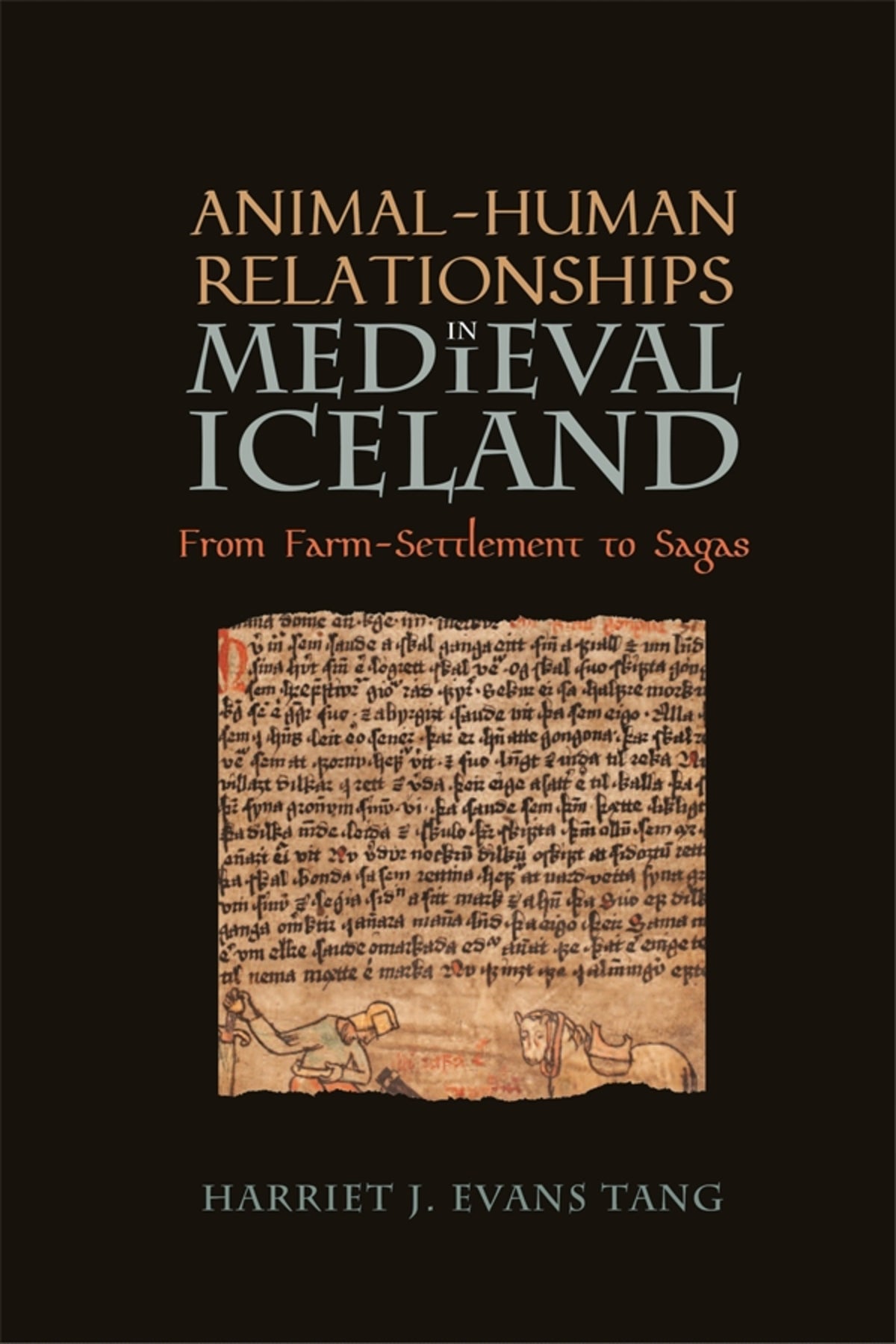
Domestic animals played a range of roles in the imaginative world of medieval Icelanders: from partners in settlement and household allies, to violent offenders, foster-kin and surrogate wives, they were vital and effective members of the multispecies communities established from the ninth century onwards. This book examines the domestic animals of early Iceland in their physical and textual contexts, through detailed analysis of the spaces and places of the Icelandic farm and farming landscape, and textual sources such as The Book of Settlements, the earliest Icelandic laws, and various episodes from the Sagas and Tales of Icelanders. Taking a multidisciplinary approach to animal-human relationships, it sees animals not solely as symbols, metaphors, or objects, but as subjects in affective relationships with their human co-settlers who become the focus of intense exploration, delight, anxiety and condemnation in later textual narratives. By inviting readers to question how these sources form, embrace, or reject animal-human relationships, it provides a resource for understanding these archaeological sites and textual narratives differently: as products of multispecies communities in which animals and humans lived, worked, and died together.
Domestic animals played a range of roles in the imaginative world of medieval Icelanders: from partners in settlement and household allies, to violent offenders, foster-kin and surrogate wives, they were vital and effective members of the multispecies communities established from the ninth century onwards. This book examines the domestic animals of early Iceland in their physical and textual contexts, through detailed analysis of the spaces and places of the Icelandic farm and farming landscape, and textual sources such as The Book of Settlements, the earliest Icelandic laws, and various episodes from the Sagas and Tales of Icelanders. Taking a multidisciplinary approach to animal-human relationships, it sees animals not solely as symbols, metaphors, or objects, but as subjects in affective relationships with their human co-settlers who become the focus of intense exploration, delight, anxiety and condemnation in later textual narratives. By inviting readers to question how these sources form, embrace, or reject animal-human relationships, it provides a resource for understanding these archaeological sites and textual narratives differently: as products of multispecies communities in which animals and humans lived, worked, and died together.

Price: $145.00
Pages: 258
Publisher: Boydell & Brewer Inc.
Imprint: D.S.Brewer
Publication Date:
August 30, 2022
Trim Size: 9.21 X 6.14 in
ISBN: 9781843846437
Format: Hardcover
BISACs:
LITERARY CRITICISM / Medieval, Literary studies: ancient, classical and medieval, SOCIAL SCIENCE / Archaeology, Archaeology

The book offers a rich array of evidence for the varied interactions between humans and multiple domestic animals, with horses playing a significant and distinctive part among other non-human species.
— Anastasija Ropa
Throughout this book, Evans Tang urges the reader to push beyond anthropocentric readings of medieval texts and archaeological finds by using interdisciplinary methodologies from environmental history, zooarchaeology, and literary studies. The result is a book that underscores the transformative power of animals in shaping cultural norms, social practices, and even Iceland's legal evolution.
Overall, the book offers a valuable addition and new perspective to previous scholarship on animal-human relationships in medieval Iceland. Its strength and innovation is the interdisciplinary dialogic engagement with archaeological and textual sources with a focus on the spatial aspects of this interspecies relationship.
— Anastasija Ropa
Throughout this book, Evans Tang urges the reader to push beyond anthropocentric readings of medieval texts and archaeological finds by using interdisciplinary methodologies from environmental history, zooarchaeology, and literary studies. The result is a book that underscores the transformative power of animals in shaping cultural norms, social practices, and even Iceland's legal evolution.
Overall, the book offers a valuable addition and new perspective to previous scholarship on animal-human relationships in medieval Iceland. Its strength and innovation is the interdisciplinary dialogic engagement with archaeological and textual sources with a focus on the spatial aspects of this interspecies relationship.
The Animal Acts...
An Animal-Human Settlement
Home, Sweet Home: Meeting Points on the Animal-Human Farm
The Animal-Human Community: Legal Tradition in Iceland
Fostering Relations: The Animal-Human Home in the Íslendingasögur
The Negative Animal: Absence, Precarity, and Danger
... and the Man Responds
Bibliography
An Animal-Human Settlement
Home, Sweet Home: Meeting Points on the Animal-Human Farm
The Animal-Human Community: Legal Tradition in Iceland
Fostering Relations: The Animal-Human Home in the Íslendingasögur
The Negative Animal: Absence, Precarity, and Danger
... and the Man Responds
Bibliography