


Some error occured while loading the Quick View. Please close the Quick View and try reloading the page.
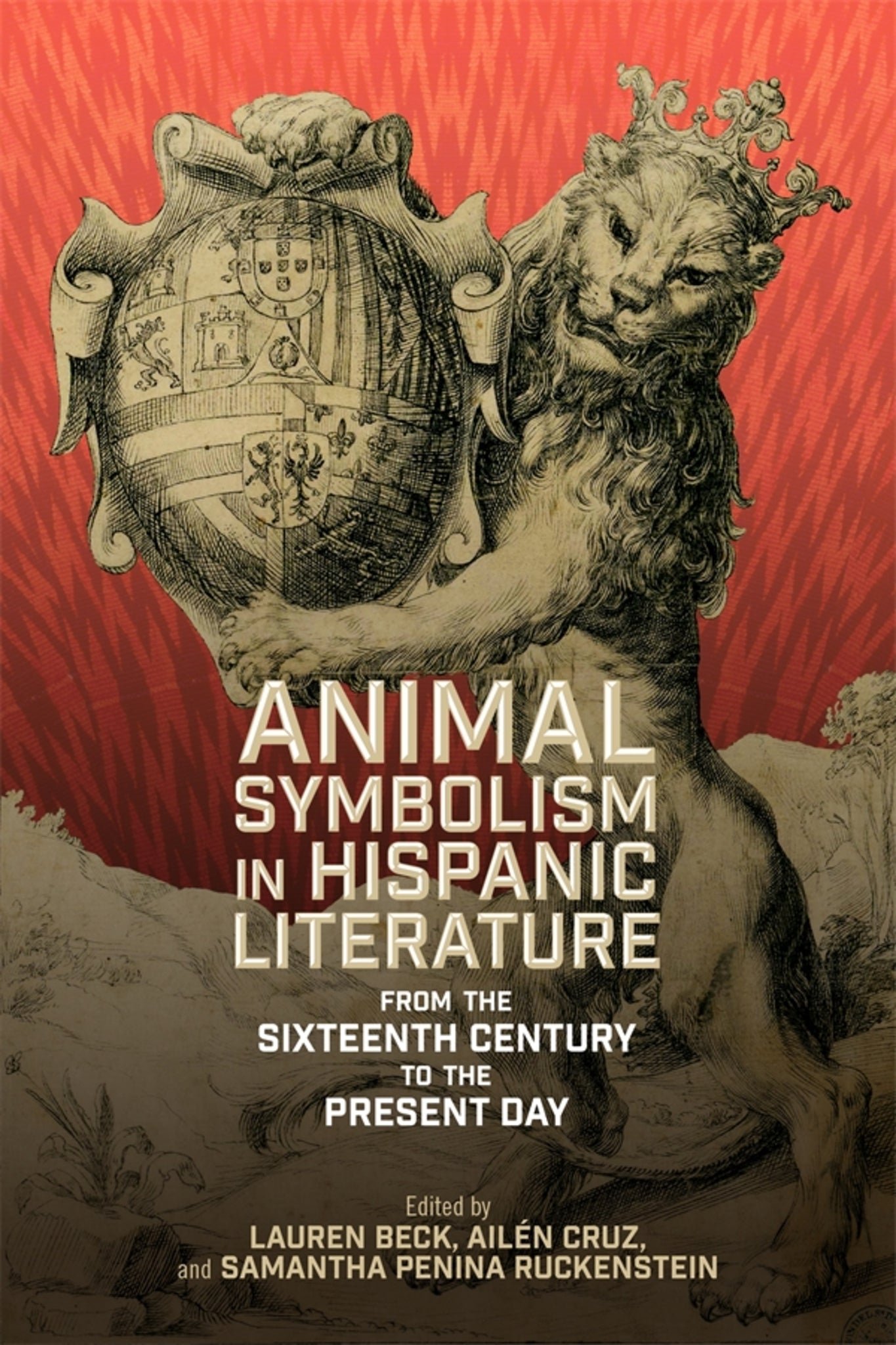
Whether unicorns, phoenix, and chimera, or axolotl, jaguars, and giant snakes, animals have often had the human experience grafted onto them, in a conscious or unconscious reflection of a society's beliefs, ambitions, and inequalities.
This volume seeks to explore different representations of real and imaginary animals across Hispanic literary production from the early modern era to the present day in order to gain a better understanding of how they serve as projections of human identities, knowledge, values, and vices. How do beasts enable the colonizing gaze and its reaches? How might beasts offer a means of decolonizing the Hispanophone world? And how do beasts articulate social unrest and a desire to resist inequality, poverty, and other ills of the modern world that collectively reinforce the status quo?
Working to better understand how Spanish and Latin American authors, illustrators, and graphic artists have understood animals and beasts, and how they interacted with them, contributors from the United States, Canada, Mexico, and Spain shed light on the use of animals as symbols and emblems, as well as how they have been employed to construct others as monstrous and less human.
This volume seeks to explore different representations of real and imaginary animals across Hispanic literary production from the early modern era to the present day in order to gain a better understanding of how they serve as projections of human identities, knowledge, values, and vices. How do beasts enable the colonizing gaze and its reaches? How might beasts offer a means of decolonizing the Hispanophone world? And how do beasts articulate social unrest and a desire to resist inequality, poverty, and other ills of the modern world that collectively reinforce the status quo?
Working to better understand how Spanish and Latin American authors, illustrators, and graphic artists have understood animals and beasts, and how they interacted with them, contributors from the United States, Canada, Mexico, and Spain shed light on the use of animals as symbols and emblems, as well as how they have been employed to construct others as monstrous and less human.

Price: $120.00
Pages: 248
Publisher: Boydell & Brewer Inc.
Imprint: Tamesis Books
Publication Date:
03 February 2026
Trim Size: 9.21 X 6.14 in
ISBN: 9781855664241
Format: Hardcover
BISACs:
LITERARY CRITICISM / Caribbean & Latin American, Literary studies: general, LITERARY CRITICISM / European / Spanish & Portuguese, LITERARY CRITICISM / Modern / General, LITERARY CRITICISM / Subjects & Themes / Nature, LITERARY CRITICISM / Subjects & Themes / Culture, Race & Ethnicity, Literary studies: c 1900 to c 2000, Literary studies: from c 2000, Literary studies: c 1600 to c 1800, Animals and society, Social and cultural history

List of Illustrations
List of Contributors
Introduction. Animal Symbolism in Hispanic Literature: From the Sixteenth Century to the Present Dayby Lauren Beck, Ailén Cruz, and Samantha Penina Ruckenstein
Part I: 16th-18th Centuries - The First Proverbial Transatlantic Zoo
Chapter 1. The Transatlantic Bestiaries of Felipe Guamán Poma (Waman Puma), c. 1615 by Lauren Beck
Chapter 2. Monsters, American Animals, and Mirabilia in Gerónimo de Huerta and his Translation of the Natural History (1624) by Penélope Marcela Fernández Izaguirre
Chapter 3. (In)human Nature: Discourses over the Distinctions between Man and Beast in the Indigenous-Language Christian Pedagogies of New Spain by Tania Bride
Chapter 4. "La natural inclinación se olvida:" Animal Transformation in Cervantes by Adrián Collado
Part II: 20th Century - Prowling for Pathways toward a New Future
Chapter 5. Uncanny Urodeles: The Case of Julio Cortázar's "Axolotl" by Ailén Cruz
Chapter 6. Animal Skins/Human Souls: Figurations of the Jaguar in Contemporary Brazilian and Spanish American Literature by Odile Cisneros
Chapter 7. Of Nahuals and Angels: Neoliberal Reinterpretations and Transnational Mythology in Édgar Clément's Operación Bolívarby Alejandro Ramírez-Méndez
Chapter 8. "Fausto" and Marina: Cats, Sickness, and Twentieth Century Spain by Samantha Penina Ruckenstein
Part III: 21st Century - In the Beast's Clothing
Chapter 9. Animal Adventures for Gabriela Cabezón Cámara's China Iron by Elena Campero
Chapter 10. Colonizing Monsters and Decolonizing Beasts: The Case of Mariana Enriquez's Our Share of Night by Alba Devo Colis
Chapter 11. Forms of the Beast: The Figure of the Werewolf in Three Recent Mexican Novels by Alejandro Soifer
Chapter 12. Animal Metaphors and Gender Violence in Contemporary Spain: (Non)Fictional Narratives by Irene López-Rodríguez
List of Contributors
Introduction. Animal Symbolism in Hispanic Literature: From the Sixteenth Century to the Present Dayby Lauren Beck, Ailén Cruz, and Samantha Penina Ruckenstein
Part I: 16th-18th Centuries - The First Proverbial Transatlantic Zoo
Chapter 1. The Transatlantic Bestiaries of Felipe Guamán Poma (Waman Puma), c. 1615 by Lauren Beck
Chapter 2. Monsters, American Animals, and Mirabilia in Gerónimo de Huerta and his Translation of the Natural History (1624) by Penélope Marcela Fernández Izaguirre
Chapter 3. (In)human Nature: Discourses over the Distinctions between Man and Beast in the Indigenous-Language Christian Pedagogies of New Spain by Tania Bride
Chapter 4. "La natural inclinación se olvida:" Animal Transformation in Cervantes by Adrián Collado
Part II: 20th Century - Prowling for Pathways toward a New Future
Chapter 5. Uncanny Urodeles: The Case of Julio Cortázar's "Axolotl" by Ailén Cruz
Chapter 6. Animal Skins/Human Souls: Figurations of the Jaguar in Contemporary Brazilian and Spanish American Literature by Odile Cisneros
Chapter 7. Of Nahuals and Angels: Neoliberal Reinterpretations and Transnational Mythology in Édgar Clément's Operación Bolívarby Alejandro Ramírez-Méndez
Chapter 8. "Fausto" and Marina: Cats, Sickness, and Twentieth Century Spain by Samantha Penina Ruckenstein
Part III: 21st Century - In the Beast's Clothing
Chapter 9. Animal Adventures for Gabriela Cabezón Cámara's China Iron by Elena Campero
Chapter 10. Colonizing Monsters and Decolonizing Beasts: The Case of Mariana Enriquez's Our Share of Night by Alba Devo Colis
Chapter 11. Forms of the Beast: The Figure of the Werewolf in Three Recent Mexican Novels by Alejandro Soifer
Chapter 12. Animal Metaphors and Gender Violence in Contemporary Spain: (Non)Fictional Narratives by Irene López-Rodríguez