


Some error occured while loading the Quick View. Please close the Quick View and try reloading the page.
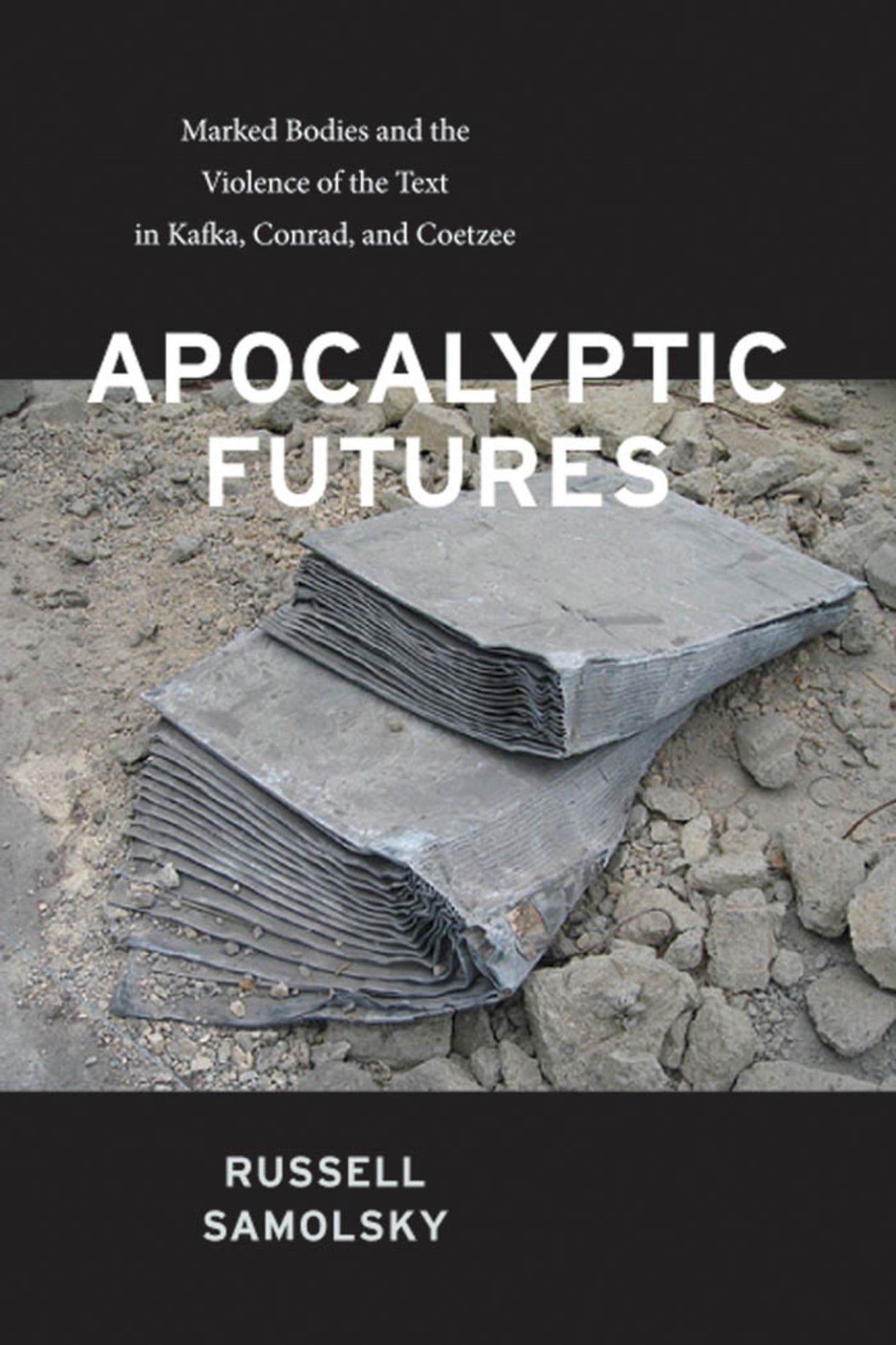
In this book, the author argues that certain modern literary texts have apocalyptic futures. Rather than claim that great writers have clairvoyant powers, he examines the ways in which a text incorporates an apocalyptic event into its future reception. He is thus concerned with the way in which apocalyptic works solicit their future receptions.
Apocalyptic Futures also sets out to articulate a new theory and textual practice of the relation between literary reception and embodiment. Deploying the double register of “marks” to show how a text both codes and targets mutilated bodies, the author focuses on how these bodies are incorporated into texts by Kafka, Conrad, Coetzee, and Spiegelman.
Situating “In the Penal Colony” in relation to the Holocaust, Heart of Darkness to the Rwandan genocide, and Waiting for the Barbarians to the revelations of torture in apartheid South Africa and contemporary Iraq, the author argues for the ethical and political importance of reading these literary works’ “apocalyptic futures” in our own urgent and perilous situations. The book concludes with a reading of Spiegelman's Maus that offers a messianic counter-time to the law of apocalyptic incorporation.

