


Some error occured while loading the Quick View. Please close the Quick View and try reloading the page.
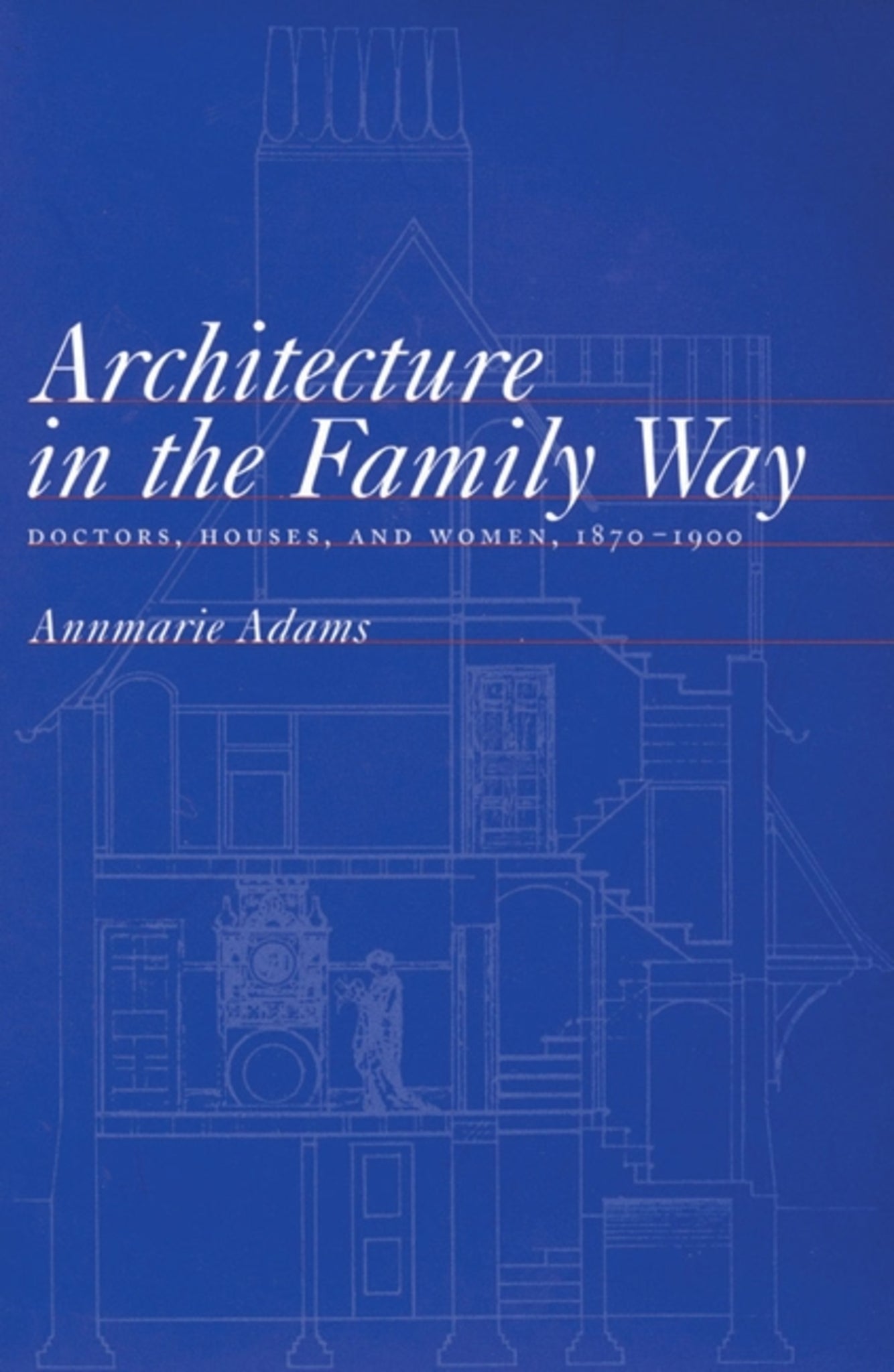
Adams argues that the many significant changes seen in this period were due not to architects' efforts but to the work of feminists and health reformers. Contrary to the widely held belief that the home symbolized a refuge and safe haven to Victorians, Adams reveals that middle-class houses were actually considered poisonous and dangerous and explores the involvement of physicians in exposing "unhealthy" architecture and designing improved domestic environments. She examines the contradictory roles of middle-class women as both regulators of healthy houses and sources of disease and danger within their own homes, particularly during childbirth. Architecture in the Family Way sheds light on an ambiguous period in the histories of architecture, medicine, and women, revealing it to be a time of turmoil, not of progress and reform as is often assumed.

Price: $125.00
Pages: 240
Publisher: McGill-Queen's University Press
Imprint: McGill-Queen's University Press
Series: McGill-Queen's/AMS Healthcare Studies in the History of Medicine, Health, and Society
Publication Date:
April 23, 1996
ISBN: 9780773513860
Format: Hardcover
BISACs:
HISTORY / General, ARCHITECTURE / Buildings / Residential

"Adams's argument is original, insightful, and provides a very different way of understanding architecture from the modes usually employed by architectural historians. Architecture in the Family Way is a very smart, intellectually inventive, and well-written demonstration of how architecture is implicated in a broad array of social changes." Elizabeth Cromley, School of Architecture, SUNY Buffalo. "An extremely interesting subject. Adams has successfully brought together three distinct themes: the history of domestic architecture, the development of the hygiene movement, and the involvement of women in promoting the healthy home. I recommend the book most highly." Tanis Hinchcliffe, School of Architecture, University of Westminster.