


Some error occured while loading the Quick View. Please close the Quick View and try reloading the page.
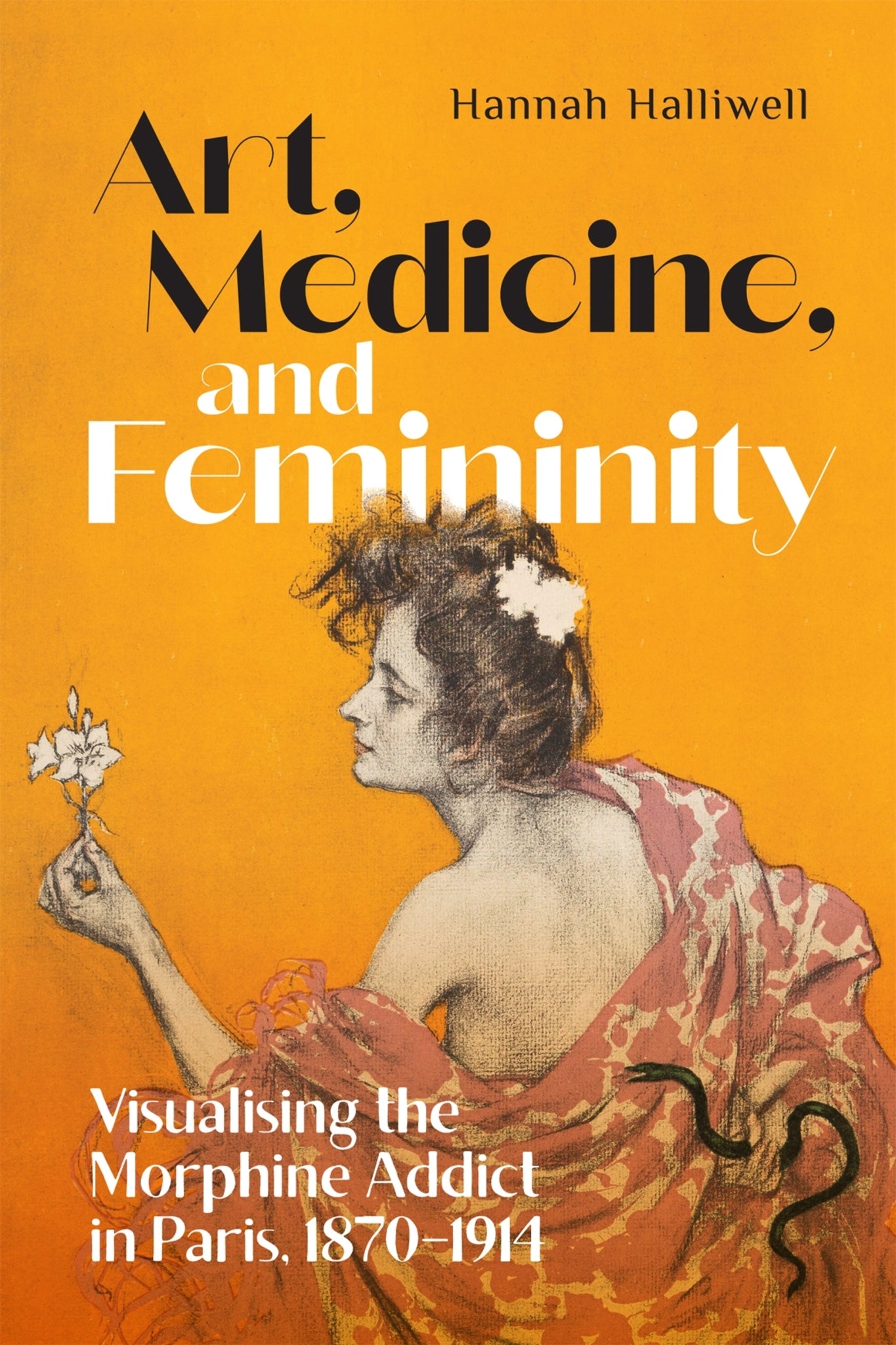
“Paris is the centre of the cult,” wrote Robert Hichens in Felix, his 1902 novel on the rising number of morphine addictions in Europe. In Paris, artists depicted the morphine addict numerous times, yet they disregarded the reality of France’s addiction problem: male medical professionals made up the highest proportion of people who used morphine habitually. In oil paintings, caricatures, and lithographs, artists such as Pablo Picasso, Eugène Grasset, and Théophile Steinlen almost always depicted the morphine addict as a deviant female figure.
Artists sensationalized addiction to elicit shock and stand out in the crowded Parisian art market. Their artworks show influences from contemporary medical texts on addiction and artistic depictions of sex workers, lesbians, and other women deemed socially deviant. These images proliferated in French society, creating false narratives about who was or could become addicted to drugs and setting a precedent for the visualization of drug addiction. Hannah Halliwell links the feminization of addiction to broader anxieties in late nineteenth-century France – the defeat by Prussia in 1871, concerns about social decadence, a declining population, and a rising feminist movement.
Art, Medicine, and Femininity presents a new understanding of the history of addiction and substance use and its intersection with art and gender.


"Halliwell paints a troubling picture of doctors self-medicating and injecting vulnerable patients and artists relying on the shock value of depicting women abusing their bodies. The female figure emerges as a double victim of morphine and the feminization of morphine. Highly recommended." Choice
"The depth of the insightful analysis throughout the book provides a valuable and enriching experience for the reader. The brilliant research will inspire more scholars to follow Halliwell's lead in exploring similar areas and will resonate with a wide range of disciplines, including social history, cultural history, art history and medical humanities. I highly recommend this book to anyone interested in addictive substances, French studies of art, medicine, femininity, art history and more." French History
"Halliwell cogently argues that the female morphinomane and her 'danger' to society were constructed through art and through visual, popular, and medical cultures. Art, Medicine, and Femininity proves, with many examples, that the cultural image of the morphine addict was fashioned by artists." H-Sci-Med-Tech
"I have been waiting for a book that looked closely at depictions of female drug users from a feminist, art-historical perspective. Hannah Halliwell’s Art, Medicine, and Femininity is that book. The writing is elegant and accessible. There is no jargon here, only clear, insightful prose about an impressive range of images and artworks, most of which I have never seen before. It is a feminist art historian’s paradise on the visual culture of addiction. It will be crucial reading for historians of drugs and addiction discourse, as well as gender studies scholars concerned with the ways women have been pathologized through text and image." The Social History of Alcohol and Drugs
“Halliwell offers a wonderful approach to the construction of the female morphine addict … and how this figure was created by men. Men framed women as deviant beings who promoted deviant behaviour. Art promoted this narrative, which concomitantly, whether intentionally or not, helped to cover up the fact that most morphine users were male. … Halliwell shows how a combined approach of cultural, gender, and medical history can lead to highly interesting research questions that offer new perspectives into historical studies.” Centaurus
« Hannah Halliwell est le premier à s’intéresser à cette figure de la femme fatale « fin de siècle » et à analyser l’apparition de l’iconographie des « droguées » dans l’imaginaire collectif occidental. » Histoire, médecine et santé