


Some error occured while loading the Quick View. Please close the Quick View and try reloading the page.
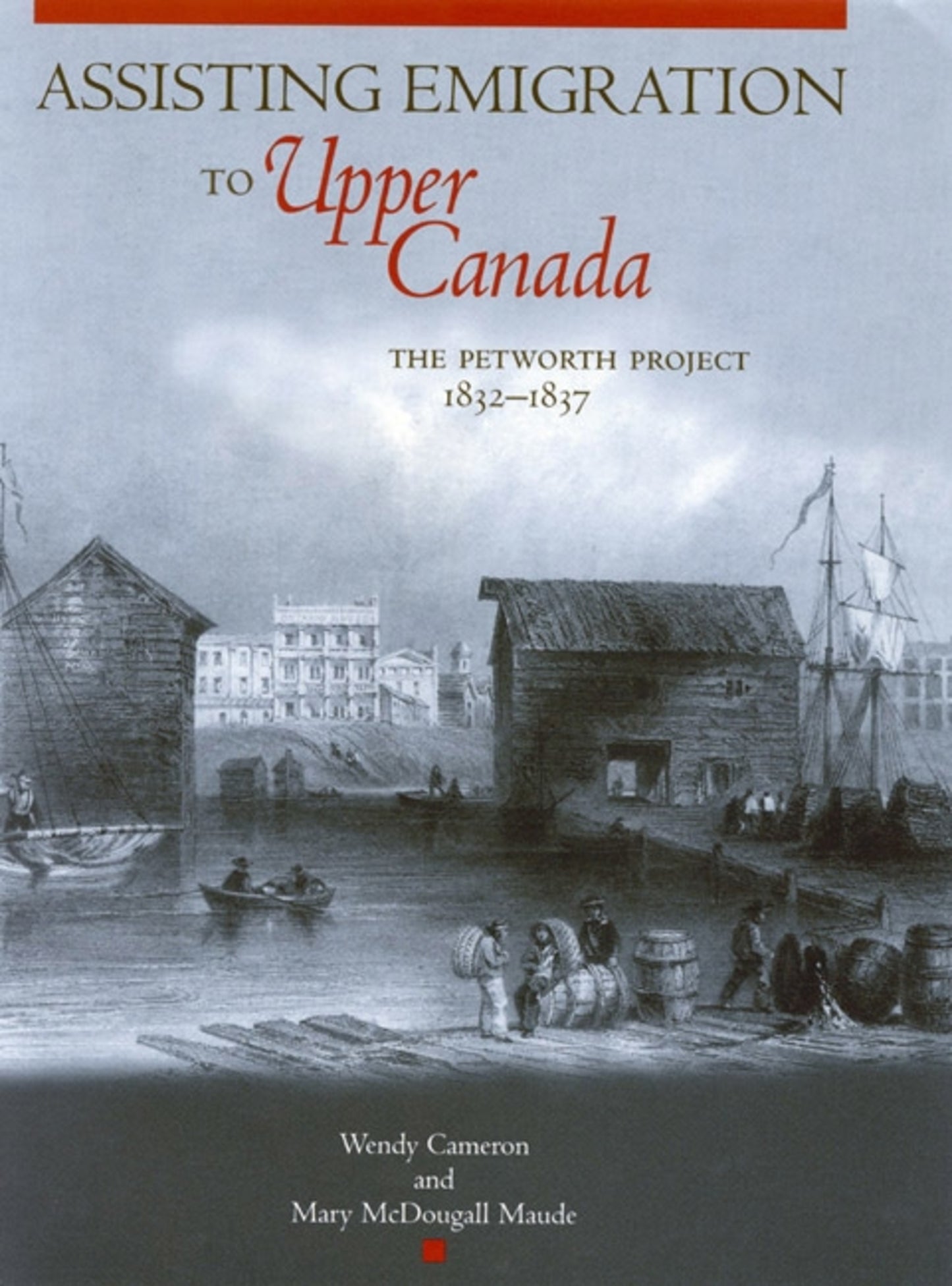
The 1830s were years of social and political change in Britain. Rural unrest in 1830?31 spurred politicians and landlords to reexamine the roles government and individuals should play in fighting poverty. Assisting Emigration to Upper Canada demonstrates the impact of new attitudes and new rules of relief for the English poor on poor immigrants arriving in Upper Canada.
Using a rich collection of contemporary sources, this study focuses on one group of English immigrants sent to Upper Canada from Sussex and other southern counties with the aid of parishes and landlords. In Part One, Wendy Cameron follows the work of the Petworth Emigration Committee over six years and trace how the immigrants were received in each of these years. In Part Two, Mary McDougall Maude presents a complete list of emigrants on Petworth ships from 1832 to 1837, including details of their background, family reconstructions, and additional information drawn from Canadian sources.
Paternalism strong enough to slow the wheels of change is embodied here in Thomas Sockett, the organizer of the Petworth emigrations, and his patron, the Earl of Egremont, and in Lieutenant Governor Sir John Colborne in Upper Canada. The friction created as these men sought to sustain older values in the relationship between rich and poor highlights the shift in British emigration policy. In these years of transition immigrants sent by the Petworth Emigration Committee could accept assistance and the government direction that went with it, or they could rely on their own resources and find work for themselves. Once the transition was complete, the market-driven model took over and immigrants had to make their own best bargain for their labour.

