


Some error occured while loading the Quick View. Please close the Quick View and try reloading the page.
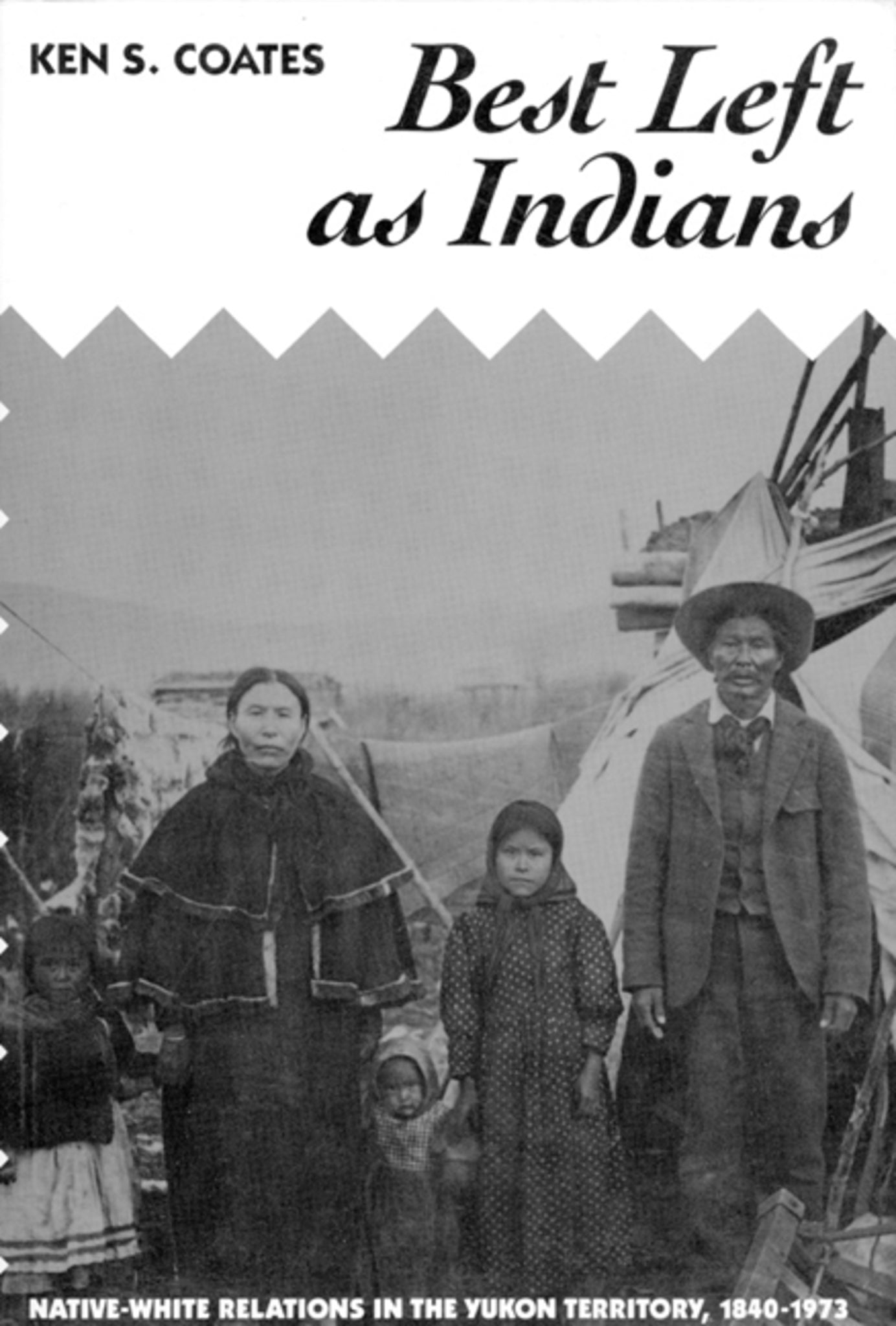
The indigenous population, Coates stresses, has not been passive in the face of expansion by whites. He argues that Native people have played a major role in shaping the history of the region and determining the relationship with the immigrant population. They recognized the conflict between the material and technological advantages of an imposed economic order and the desire to maintain a harvesting existence. While they readily accepted technological innovations, they resisted the imposition of an industrial, urban environment. Contemporary land claims show their long-standing attachment to the land and demonstrate a continued, assertive response to non-Native intervention.

Price: $37.95
Publisher: McGill-Queen's University Press
Imprint: McGill-Queen's University Press
Series: McGill-Queen's Studies in Ethnic History
Publication Date:
30 October 1991
ISBN: 9780773562615
Format: eBook
BISACs:
LAW / General, SOCIAL SCIENCE / Native American Studies

"Coates presents a very thoroughly researched, copiously documented, and thoughtfully written account of native/non-native relations in Canada's Yukon Territory ... Students of Canadian history, Native American history, and race relations will find this work of value." M.C. Mangusso, Choice. "Coates is to be commended. Best Left as Indians is not only a significant contribution to the growing literature on the history of the Indian-white relations, but also serves to demonstrate the scholarly promise and vitality of northern studies." Bill Waiser, Saskatoon Star-Phoenix. "a major contribution to the literature on the history of relations between indigenous peoples and immigrants in Canada ... Coates has made unusually extensive use of anthropological, ethnographic, and even pedagogical research ... nowhere [before] have these various strands been pulled together into a single, pleasing, and valuable tapestry." J.R. Miller, Department of History, University of Saskatchewan.